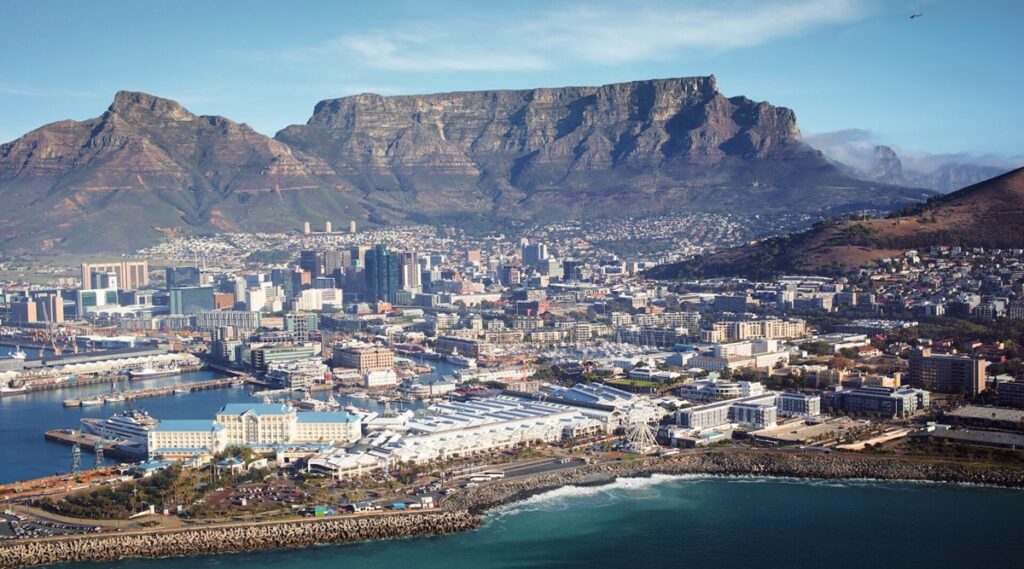
CAPE TOWN, South Africa — Nearly 30,000 live animals have been rescued in a sweeping global operation against wildlife trafficking that Interpol says produced a record number of seizures.
The monthlong crackdown, codenamed Operation Thunder 2025, ran from Sept. 15 to Oct. 15 and brought together police, customs officers, and wildlife and forestry authorities from 134 countries. By the time it wrapped up, officials had logged more than 4,600 separate seizures — everything from live animals and protected plants to large volumes of illegally logged timber.
Among the rescued animals were 6,160 birds, 2,040 tortoises and turtles, 1,150 reptiles, 208 primates, and 10 big cats, including endangered tigers. Many were believed to be destined for the exotic pet trade or for use in traditional medicines and luxury products.
A multibillion-dollar criminal business
Interpol says wildlife trafficking, whether for body parts or live animals, has grown into a major branch of transnational organized crime.
The agency puts the value of the illegal wildlife trade at at least $20 billion a year — and likely higher, given the difficulty of tracking every shipment and following the money. The latest operation alone identified more than 1,000 suspects tied to the trade.
“Operation Thunder once again exposes the sophistication and scale of the criminal networks driving the illegal wildlife and forestry trade,” Interpol Secretary-General Valdecy Urquiza said in a statement.
Authorities say the same routes and methods used to smuggle wildlife are often linked to other serious offenses, including drug trafficking, money laundering, and corruption.
From ivory and pangolin scales to marine species
The operation was not limited to live rescues. Teams around the world also intercepted large quantities of animal parts and products.
Seizures included 1,900 pieces of elephant ivory, more than 200 tons of marine species, and seven tons of pangolin scales and meat.
Pangolins — small, shy, nocturnal mammals covered in scales — are sometimes called scaly anteaters. They are widely considered to be among the most trafficked animals on the planet. Their scales are prized in some traditional medicines, while their meat is seen as a delicacy, putting intense pressure on already vulnerable populations.
Timber was another major target. Interpol said tens of thousands of cubic meters of illegally logged wood were seized during the operation, highlighting how forests and wildlife are often exploited by the same criminal networks.
Smugglers caught using mail centers
The reach of Operation Thunder 2025 stretched across continents, and some of the more unusual cases were uncovered far from forests or ports.
Interpol said more than 40 shipments of insects and 80 shipments of butterflies originating in Germany, Slovakia, and the U.K. were intercepted at a U.S. mail center. The consignments were flagged and stopped before they reached buyers.
In another case at a North American mail facility, inspectors opened a shipment and found more than 1,300 primate body parts, including bones and skulls. The discovery underscored how traffickers exploit postal and courier networks to move wildlife products in relatively small but frequent consignments.
A yearly operation with rising stakes
Operation Thunder is carried out every year as part of a broader global push to fight wildlife and forestry crime. Each edition is coordinated by Interpol in partnership with national agencies and other international bodies.
This year’s results, with nearly 30,000 animals rescued and thousands of seizures recorded, underline both the scale of the illegal trade and the level of coordination now required to confront it.
By rescuing live animals, intercepting shipments, and identifying suspects along entire supply chains, officials hope to disrupt criminal groups and ease some of the pressure on threatened species. But Interpol and its partners say lasting progress will depend on continued cooperation, tougher laws, and tackling the demand that keeps wildlife trafficking so profitable.
Interpol – “Operation Thunder 2025” (global wildlife and forestry trafficking operation overview)