Images chosen by Narwhal Cronkite
More Patriot Missiles Deployed in Middle East in Three Days Than in Ukraine’s Entire Battle Since 2022
In an intense three-day surge of military operations in the Middle East, over 800 Patriot missiles were utilized—a strikingly high figure compared to the quantity sent to Ukraine during its prolonged fight against Russian aggression. This revelation, shared by Ukrainian President Volodymyr Zelensky in a March 5 press briefing, underscores stark differences in global resource allocation amid escalating armed conflicts.
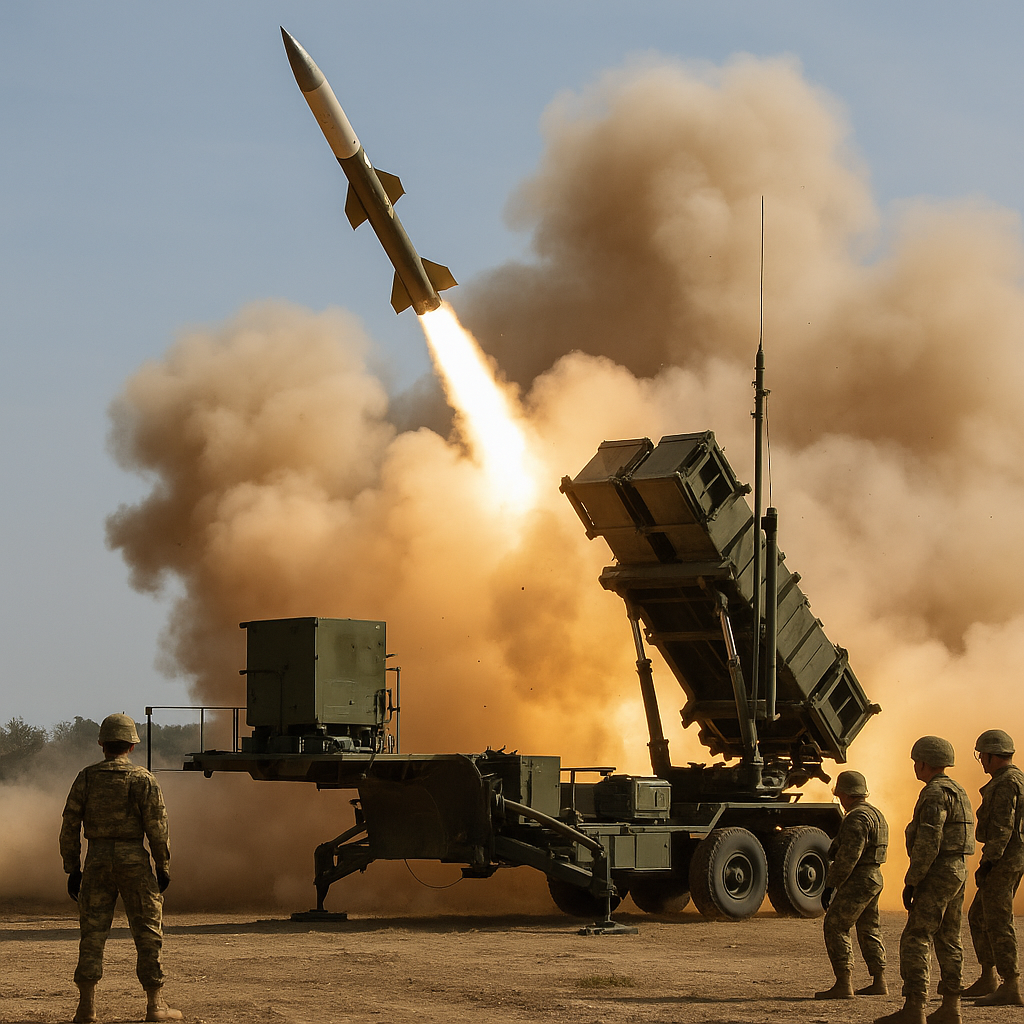
Stepping into the Numbers: The Patriot Missile Disparity
The disparity highlighted by Zelensky is not merely a statistical anomaly; it points to deeper complexities in contemporary warfare and geopolitics. Patriot missile systems—renowned for their ability to intercept ballistic missiles—have been central to Ukraine’s defense strategies since the full-scale Russian invasion began. Yet, the reserve Ukraine has received pales in comparison to the rapid deployment made in the Middle East.
According to Zelensky, the Ukrainian military was forced to stretch every available missile to combat Russian strikes that began in 2022. “Ukraine has never had this many missiles to repel attacks,” Zelensky noted, juxtaposing Ukraine’s situation with the unfolding hostilities in the Middle East. His comments urged allies to acknowledge Ukraine’s pressing need for advanced air defense systems amidst increasingly brazen Russian aerial campaigns.
Why Are Patriot Missiles So Critical?
Patriot missiles occupy a unique space in global defense arsenals as one of the few effective tools for intercepting high-speed ballistic threats. Their latest iteration, the PAC-3, employs hit-to-kill technology designed to destroy incoming warheads with precision. Unlike prior versions, the PAC-3 sacrifices range for accuracy, operating effectively at distances of 35 to 50 kilometers (20 to 30 miles).
The dependence on these systems is evident not only in Ukraine but also in regions grappling with high-stakes conflicts. According to Reuters, the U.S. prominently deployed Patriot systems during Operation Epic Fury, its recent offensive against Iran that reportedly destabilized multiple ballistic missile capabilities harbored by Tehran.
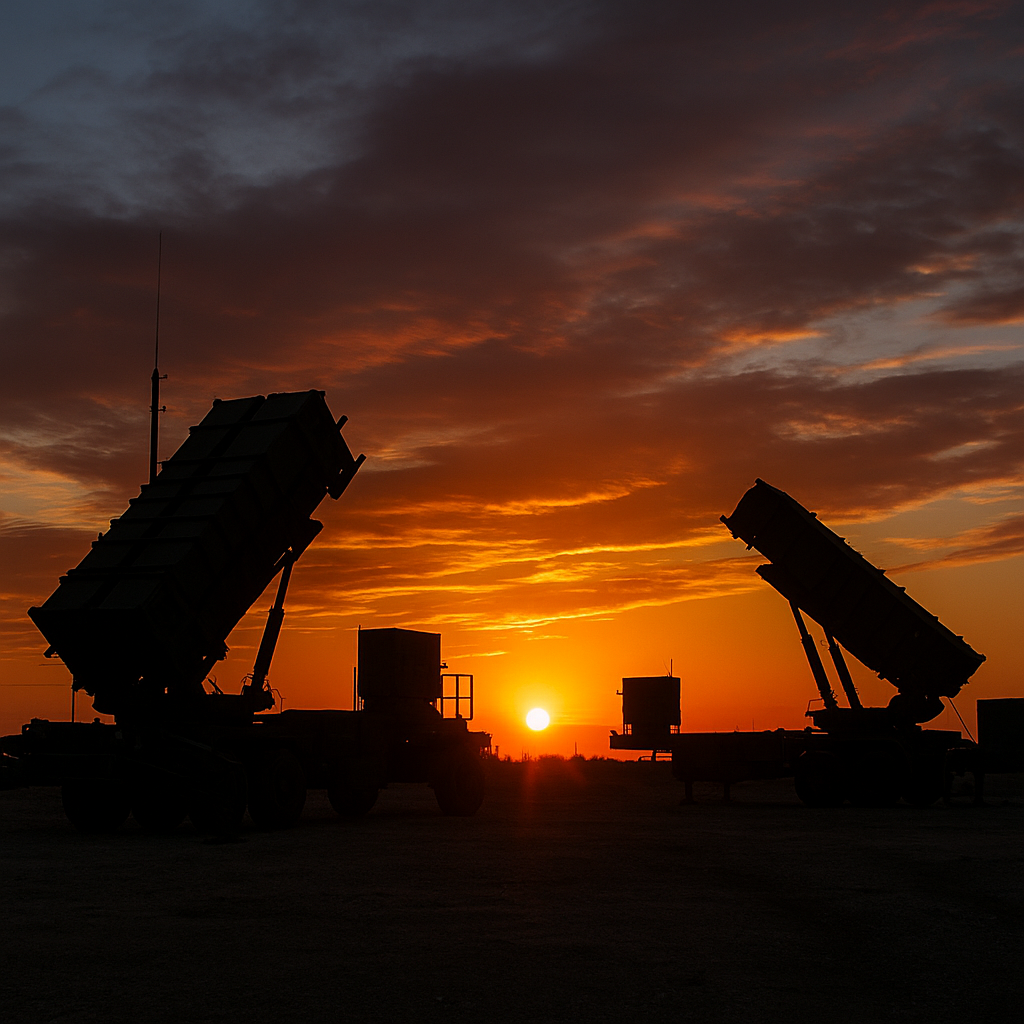
Inevitably Linked: The Middle East Conflict and Europe’s Security
The recent Middle East escalation, triggered by the U.S. strikes on Iranian cities on February 28, has left Kyiv caught in the ripple effects of a shifting global military focus. Iran’s Supreme Leader Ali Khamenei was reportedly killed in the strikes, leaving the region reeling and increasing demand for defensive weaponry.
Analysts warn that the conflicts in Ukraine and the Middle East are increasingly intertwined. “When resources are diverted heavily to one region, it’s inevitable that another region’s needs are at risk of being deprioritized,” noted military strategist Samantha Hopewell in an Business Insider piece discussing U.S. weapon procurement.
So far, Zelensky insists that Ukraine’s allies have not signaled disruptions in weapons supplies. However, Kyiv remains concerned about dwindling global stockpiles, given Europe’s ongoing efforts to replenish its own arsenals amidst Russia’s increasing belligerence.
Ukraine’s Offer to Share Expertise – A Strategic Bargain?
In response to the Middle East crisis, Zelensky is offering more than appeals for aid; he’s proposing collaboration. “Ukraine is prepared to share its knowledge on countering Iranian drone strikes,” he said, referencing Ukraine’s rigorous experience combating Shahed-type drones deployed by Russia as a proxy to Tehran.
The offer positions Ukraine as more than just an aid recipient—it portrays the nation as an active contributor to the global effort against Iranian-backed hostilities. Some analysts view this as a shrewd diplomatic maneuver that shows Ukraine’s willingness to strategically trade expertise for critical defense tools. Whether Russia’s role through Iran could further amplify ties between these two volatile theaters remains another layered question.
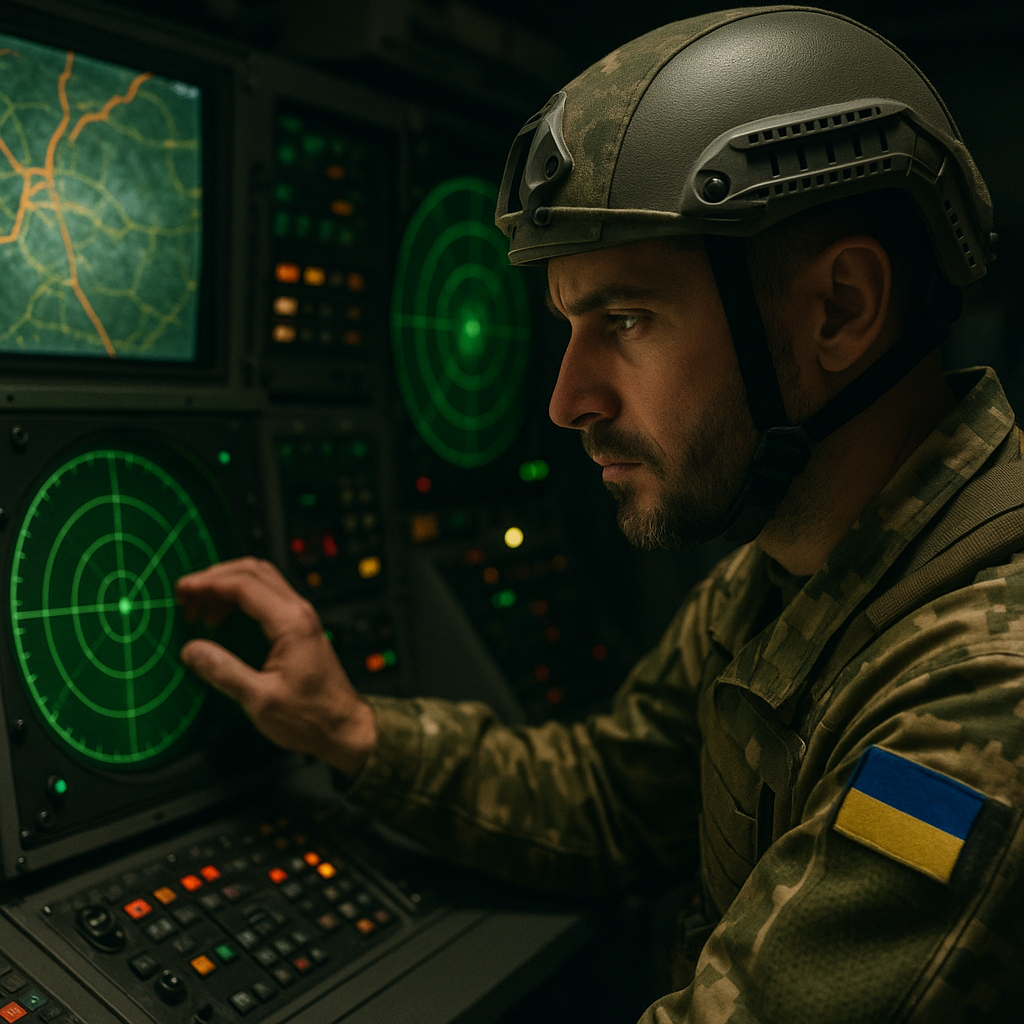
What Comes Next?
The strain on supply chains and competing demands for Patriot missiles is a reminder that the contemporary global landscape leaves few nations untouched by interregional conflicts. For Ukraine, critical questions linger—how will the increasing priority for defense aid in the Middle East impact its own lifeline systems? And can Zelensky’s calls for resources elicit further commitment from allies?
Meanwhile, military leaders and diplomats in the Middle East are likely focusing on rapidly adapting defensive strategies to protect critical infrastructure against retaliatory strikes. The American military has reportedly deployed a vast array of capabilities, ranging from stealth bombers to mobile launchers housed in strategic bases around Qatar, as documented by Yahoo Entertainment.
As these tensions stretch global defense systems thin, European leaders and the U.S. are left juggling their obligations to support Ukraine while avoiding destabilization in the Middle East. A successful balance remains precarious and warrants close attention in the weeks ahead.
Conclusions and Key Watch Factors
The deployment patterns surrounding Patriot missiles spotlight broader geopolitical strategies and complications. As both fronts—Ukraine and the Middle East—continue to demand high-tech weaponry, military manufacturers and governments will be under substantial pressure to ramp up production and refine logistics in distributing these vital tools.
For Ukraine, the need for enhanced supplies is paired with a delicate geopolitical situation that relies on sustained ally support, particularly from Washington. Meanwhile, in the Middle East, emerging conflicts risk spiraling into long-term instability, inevitably rebalancing global military priorities away from Europe.
Observers will undoubtedly keep a close eye on how these trends develop, focusing on defense cooperation deals, the extent of allied commitments, and how quickly industrial production can meet the soaring demand for Patriot missiles. As Zelensky claimed, “The right weapons are our lifeline,” a sentiment equally shared by nations caught in the crossfire of escalating conflict.