Polish Government Opens Investigation Into Epstein Files
The shadow cast by Jeffrey Epstein’s decades-long web of abuse is stretching further than ever imagined, as Poland has announced a formal investigation into potential connections between its citizens, including children, and Epstein’s global operations. While other nations have scrutinized their links to the convicted sex offender, this move by the Polish government brings a new level of international spotlight to the lingering questions that surround his expansive and opaque network.
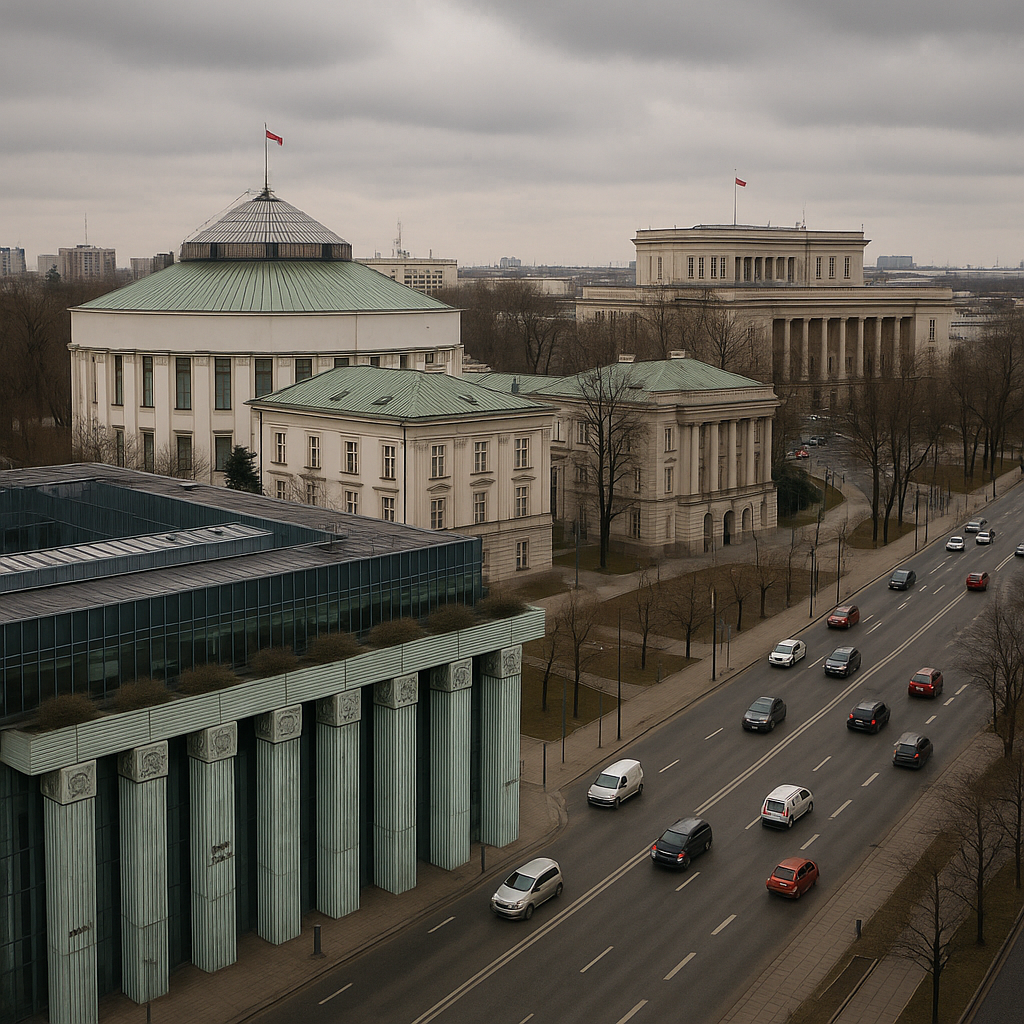
Why Poland Is Taking a Closer Look
According to reports, the Polish government has launched an official probe into whether Polish children or citizens were among the victims of Epstein’s extensive trafficking schemes. While Poland has not yet disclosed specific evidence tying the country to Epstein’s activities, the Ministry of Justice emphasized the importance of exhausting every possible lead to ensure accountability.
The decision follows revelations uncovered in a range of investigations after Epstein’s death in 2019 that painted a horrifying picture of global crimes. Similar inquiries have been undertaken by the U.S., France, and other nations, some yielding compelling links to their citizens. Though there has yet to be evidence of widespread international collaboration in the case, Poland’s approach signals an awareness of just how intertwined Epstein’s operations might have been.
One prosecutor familiar with international trafficking cases, speaking anonymously, noted, “The complexity of Epstein’s network was as staggering as it was horrifying. The international nature of his client lists and inner circles requires vigilance from every country that might have a legitimate concern.”
The Global Web of Epstein’s Influence
Epstein’s operations didn’t just exploit vulnerable individuals—they also exploited systemic gaps in jurisdictions across the globe. Over the years, evidence has surfaced highlighting how cross-border high-value individuals, political operatives, and wealthy elites contributed to or benefited from Epstein’s networks. Poland’s move underscores a growing trend among nations to address the blind spots left by fragmented investigations.
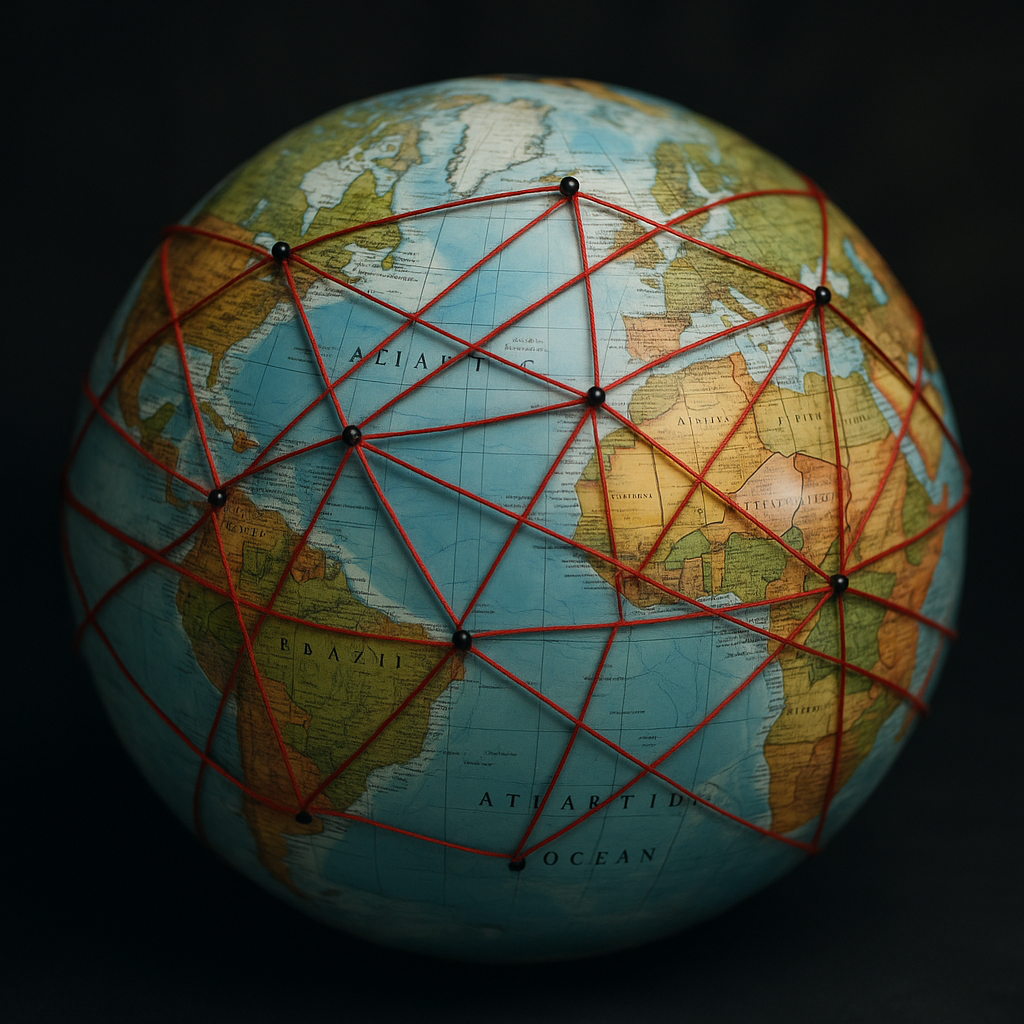
Analysts say this could mark a critical step in understanding the full extent of Epstein’s international connections. A report by Balloon-Juice.com noted how issues surrounding justice and accountability often falter on jurisdictional boundaries, especially in cases such as these, where conspiracies are multinational in scope. From facilitating illegal activities through corporate shells to leveraging diplomatic connections for immunity, Epstein’s alleged tactics necessitate thorough—and borderless—scrutiny.
“The question isn’t whether Epstein’s influence touched these countries—it’s to what extent they allowed the exploitation to take place or ignored the signs,” explained legal scholar Dr. Wiktor Kowalski. “Poland is setting itself apart by tackling these concerns head-on rather than waiting for outside pressure,” he added.
Lessons From Global Trafficking Cases
This case is also forcing a more significant examination of how countries deal with global exploitation, particularly child trafficking. In examining Polish authorities’ sudden involvement, many believe it could provide blueprints for future investigations in countries still hesitant to dive into murky waters.
By comparison, the backlash faced by French organizations for delayed responses to allegations involving Epstein may be indicative of how slow-footed investigations impact public trust. Poland may be seeking to avoid this pitfall by acting preemptively. And while further evidence directly involving Polish nationals or victims remains to be seen, legal observers acknowledge the grave reasons behind such actions: Epstein’s financial dealings and travel histories have already hinted at Europe’s unspoken complicity.
“Even countries thought to be on the periphery of Epstein’s operations may have played a role in enabling exploitation,” noted journalist Anna Wysocka, who has long covered human trafficking issues. “Wherever there is room for exploitation, it becomes difficult to argue that any nation is immune.”
Breaking New Ground or Treading Familiar Territory?
As forensic audits of Epstein’s sprawling empire continue, many question whether Poland’s investigation is capable of uncovering meaningful results. Transparency remains a crucial concern. Critics have pointed out that past inquiries in other countries often fizzled out or hit insurmountable legal roadblocks. Skepticism is understandably high, but some see Poland’s proactive approach as a glimmer of hope, particularly if they engage cross-border cooperation.
Moreover, global agencies like Interpol and European anti-trafficking commissions may stand to benefit from Poland’s findings. If properly positioned, this investigation might offer something others couldn’t: an unflinching external probe, unhindered by domestic political entanglements with Epstein’s former allies or associates.

Nonetheless, experts caution that public pressure will need to remain high. “One of the most significant threats in cases like this is simply time,” said Wysocka. “The longer investigations take, the weaker the trail and social demand for accountability become.” She stressed that international attention could act as a key driver of transparency moving forward.
What’s Next?
We are still in the early days of Poland’s investigation, but its implications could stretch far and wide. If evidence surfaces that Polish institutions, citizens, or children were involved in Epstein’s operations, the political fallout could be significant—not just inside Poland but globally. A test for Poland’s justice system may emerge here: how to balance national security concerns, public transparency, and the diplomatic intricacies of exposing international figures potentially involved in trafficking networks.
What remains clear is this: the Epstein saga is far from over. For Poland, this investigation could bolster its place as a leader in combating international crimes—or expose holes in its ability to collaborate with a global justice infrastructure that is still largely fragmented. As global awareness of trafficking intensifies, countries that address their potential involvement head-on may begin to alter how these atrocities are handled in the future.
Observers believe one significant milestone of the investigation will be how Poland shares—or withholds—its findings from the broader international community. With allegations so far-reaching, this is not an investigation that Poland can afford to contain within its borders.
For now, the world waits to see whether a corner of Epstein’s legacy will face the full brunt of justice, even posthumous. With Poland delving into a case that continues to appall global citizens, the focus on those who were silenced might finally lead to revelations we all need to hear.
Stay tuned as more details from this landmark investigation unfold.