Images chosen by Narwhal Cronkite
Pope Leo Calls Trump’s Threat Against Iran ‘Truly Unacceptable’
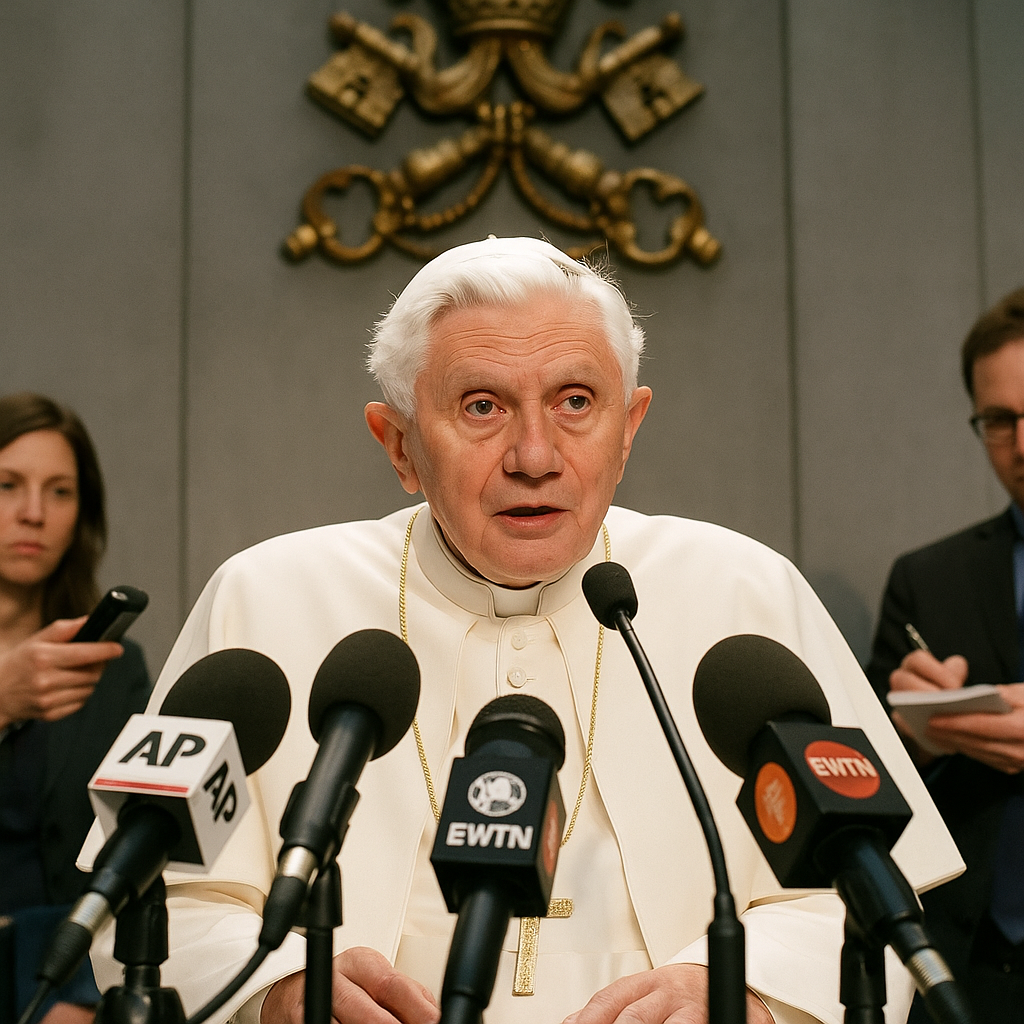
In a rare public condemnation, Pope Leo XVI has described former U.S. President Donald Trump’s recent threat against Iran as “truly unacceptable,” igniting global debate over the ethical and geopolitical ramifications of escalating tensions in the Middle East. The pontiff’s comments, made during a Vatican press conference on April 7, underscore concerns from religious and political leaders alike about the implications of military threats from superpowers.
An Eruption of Tensions in the Middle East
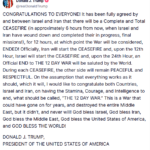
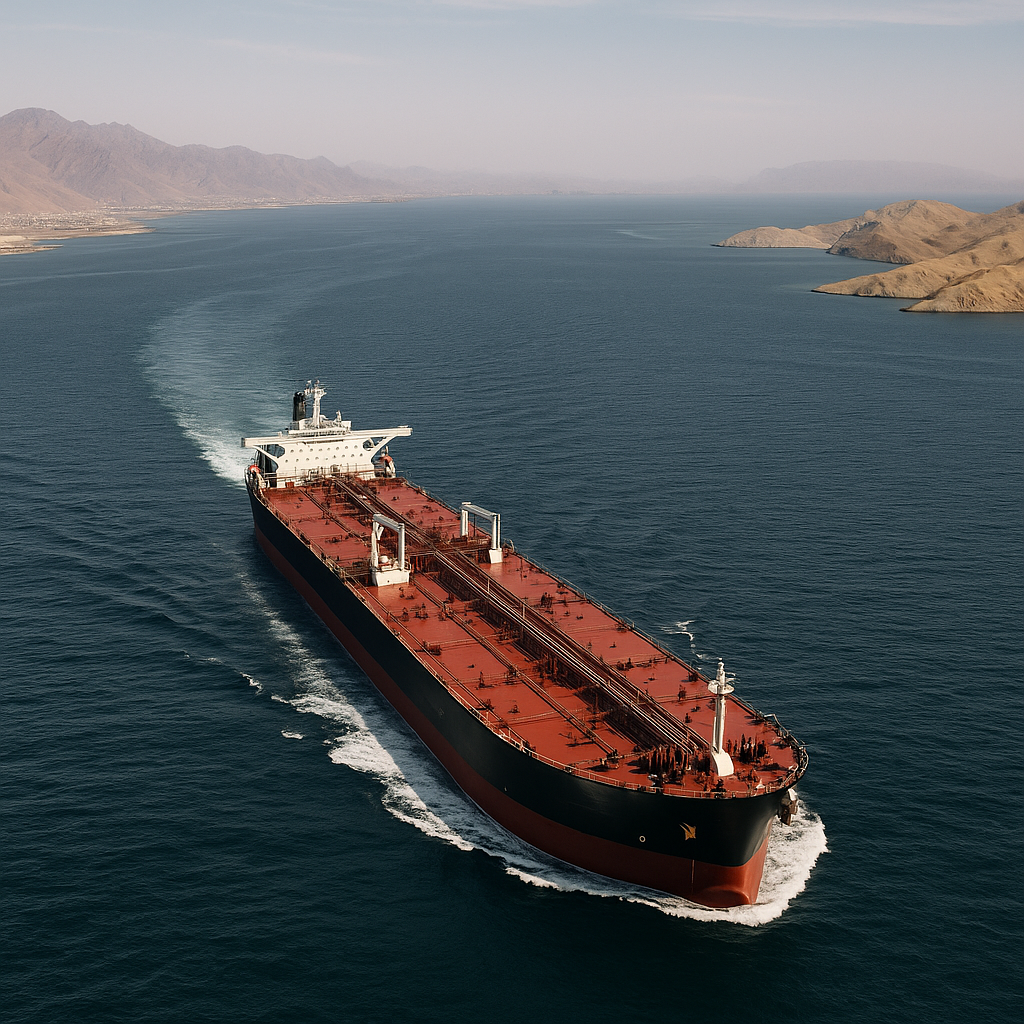
The latest flashpoint in the U.S.-Iran conflict began in March 2026 when Trump warned that Iran’s nuclear facilities and power plants would face targeted strikes unless Tehran ceased its alleged advancements in uranium enrichment. According to Indian Express, Iran responded in kind, threatening to close the critical Strait of Hormuz, a narrow chokepoint vital to global oil trade. This prompted further retaliatory airstrikes by U.S. and Israeli forces against Tehran that intensified the conflict.
Pope Leo’s remarks come amidst these escalating tensions. The pontiff criticized the language and tone of Trump’s threats, emphasizing the moral incompatibility of rhetoric that further inflames violence. “The use of coercive threats in diplomacy erodes the dignity of nations and disregards human life,” he stated, adding, “such language is a step backward for global peace.”
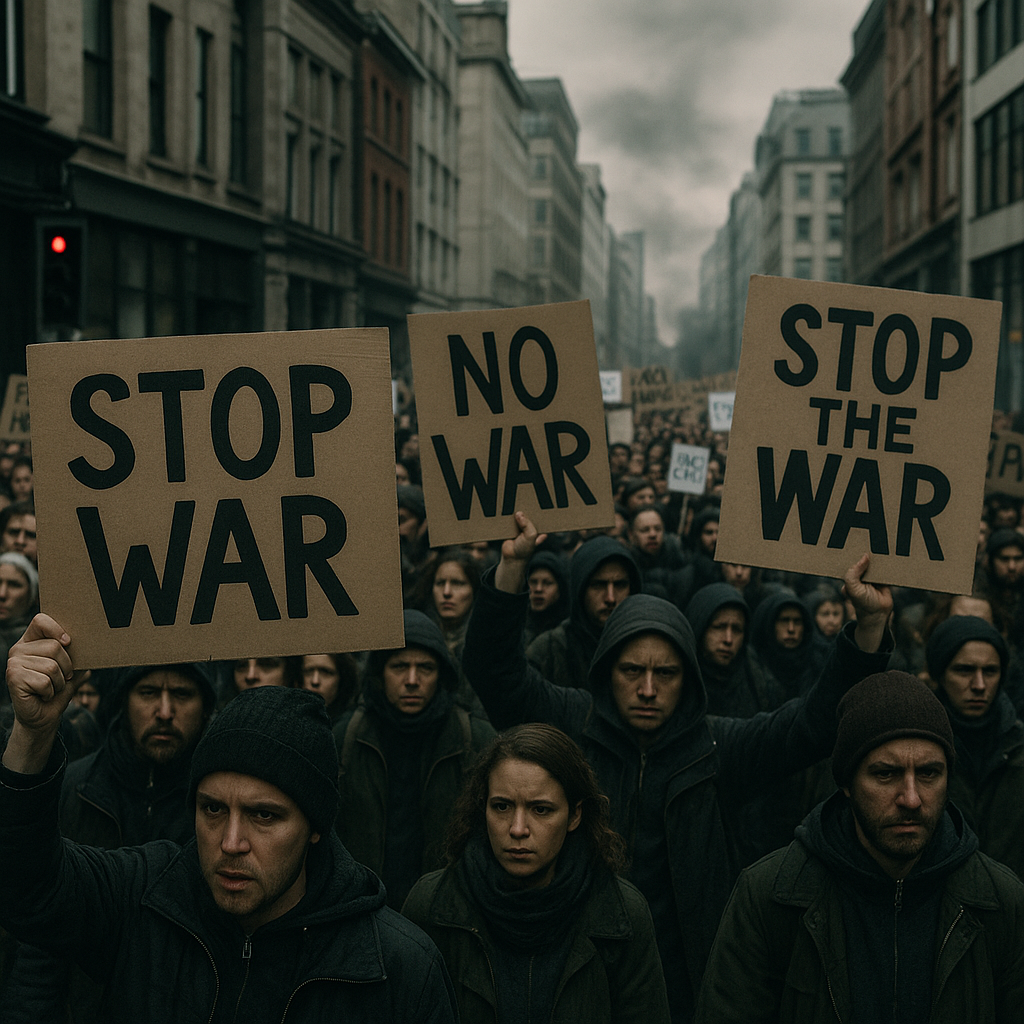
Pope Leo’s Broader Call for Peace
While condemning Trump’s remarks, Pope Leo has also been actively advocating for peace globally. As reported by The Punch, the pope held conversations with the presidents of Israel and Ukraine earlier this month, emphasizing humanitarian concerns and the need for peaceful resolutions to ongoing conflicts. His actions reflect his broader mission to use religious influence as a counterweight to political aggression.
Observers from international relations circles suggest that Pope Leo’s stance aligns with Christian democracy principles, which emphasize moral governance and societal welfare over nationalist ambitions. As Foreign Policy highlighted in a recent analysis, these ideals are increasingly under threat from populist movements across Europe and in other parts of the world. The global rise of politically-driven religious rhetoric, seen prominently in figures like Pete Hegseth—a Trump ally and fervent supporter of the Iran policy—is often juxtaposed against Pope Leo’s commitment to peace.
Trump’s Response: A Counterattack
Unsurprisingly, Trump did not take Pope Leo’s rebuke lightly. As documented in a March 31 New Republic transcript, Trump publicly erupted in frustration during a podcast interview. The former president accused the pontiff of being “uninformed” about the geopolitical realities of Iran’s behavior and went on to defend his hardline stance as a strategy to protect “American sovereignty and the future of Israel.”
Analysts point out that Trump’s rhetoric reinforces the highly polarizing nature of his foreign policy doctrine. While supporters laud his assertiveness as a necessary deterrence against hostile states, critics warn that such public threats undermine the diplomatic efforts crucial for resolving decades-long tensions. As noted in New York Magazine, Trump surrogate Pete Hegseth has framed the Iran conflict as a “holy war,” suggesting that military intervention is both justified and inevitable.
The Ethical Implications of Political Rhetoric
Pope Leo’s condemnation prompts broader reflection on the role of political and religious leaders in shaping public sentiment during crises. Scholars argue that inflammatory language from figures like Trump—and its subsequent framing by media commentators—can escalate conflicts far beyond the negotiation table. Actions that encourage war as a moral righteousness blur the lines between governance and ideological crusades.
There is also the question of civilian impact. The closure of the Strait of Hormuz, threatened by Iran, would not only disrupt global energy supply chains but could also exacerbate humanitarian crises in affected regions. Religious and advocacy groups often rally against such escalation to protect innocent lives—a cornerstone concern highlighted in Pope Leo’s remarks.
What to Watch For Next
Looking ahead, several critical questions remain unanswered: Will the papal condemnation alter the course of U.S. foreign policy? Is diplomacy still achievable between Tehran and Washington or has the rhetoric closed the window for dialogue?
Industry observers note that the Strait of Hormuz remains a pressing economic and logistical factor in the conflict, with potential ripple effects on worldwide oil prices. Meanwhile, global religious figures, policymakers, and activists will likely continue to pressure both sides to de-escalate. Pope Leo’s vocal stance may inspire similar calls for peace from other international leaders.
Ultimately, the Iran-U.S. conflict serves as a stark reminder of the fragility of global stability in the face of incendiary political language. As the situation unfolds, the balance between diplomacy, religious influence, and power politics will be critical to determining the future trajectory of peace in the Middle East.