The PlayStation 5 Pro has sold out across every major US retailer in the days since Grand Theft Auto VI: An Extended Look premiered on Netflix, and the listings that remain are almost entirely third-party sellers asking up to $1,300 for a console with an $899 list price.
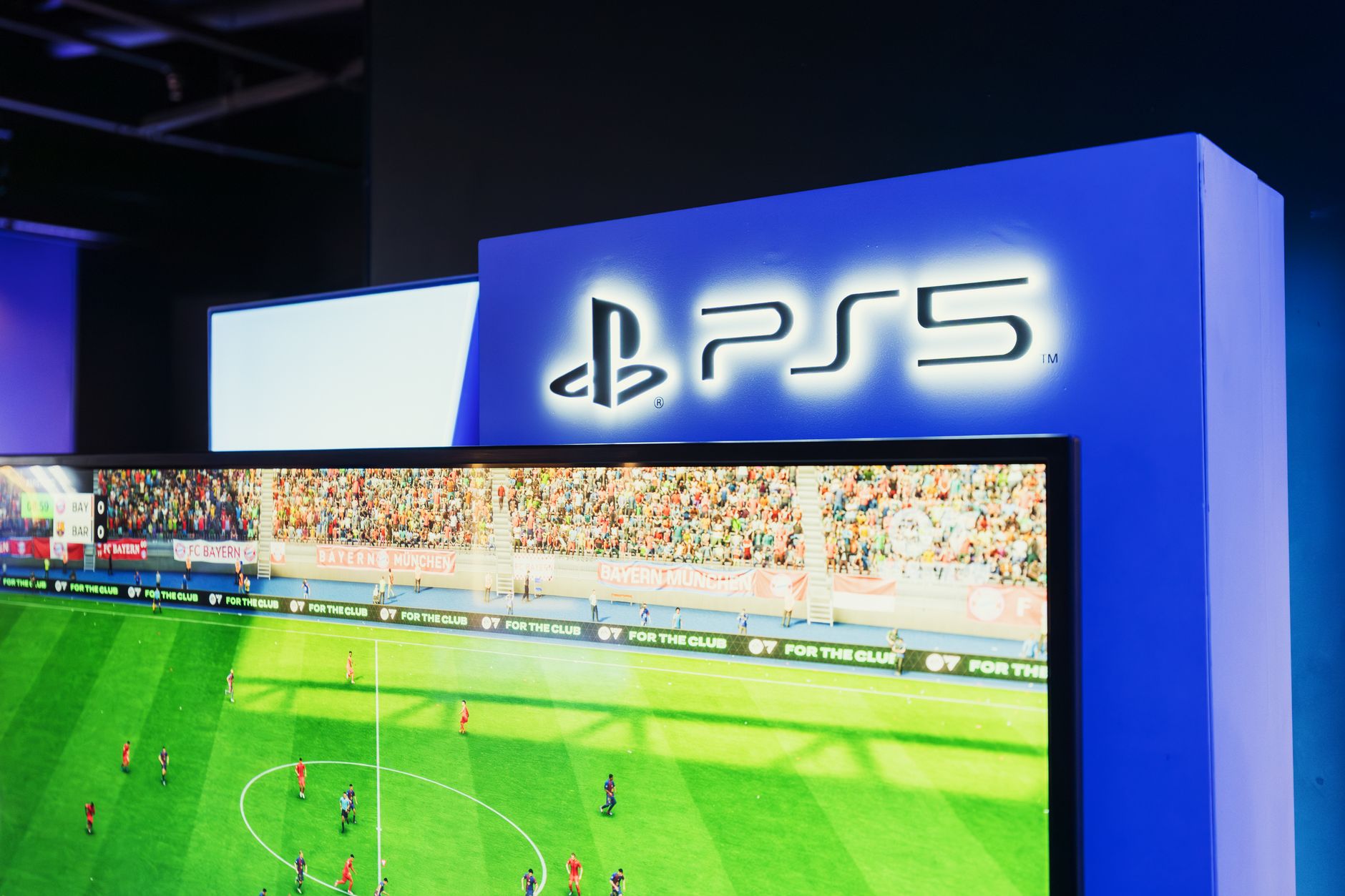
Best Buy and Target emptied out within roughly 48 hours of the reveal, according to TechPowerUp. Amazon and Walmart product pages have largely converted to marketplace listings hovering around $1,299. As of September 2, first-party stock was gone at the major chains; Best Buy has been offering open-box units and GameStop has limited pre-owned inventory.
A trailer moved the market
The trigger was the most extensive GTA 6 footage released so far, and the timing is not subtle: the shortage set in the weekend after it aired. Rockstar’s marketing has always produced spikes in hardware interest, but this one landed on a console positioned as the definitive way to play – higher-fidelity rendering, better upscaling, more headroom for the frame rates a game of that scale will demand.
Buyers who had been indifferent to a $899 mid-generation refresh for two years decided within days that they wanted one before launch. That is the entire mechanism. Demand did not build gradually; it arrived at once, against inventory planned for ordinary weeks.
The supply side was already tight
What turns a demand spike into a months-long shortage is the state of supply, and consoles are currently caught in an industry-wide memory-chip squeeze. DRAM and NAND capacity has been absorbed by AI data center construction, which pays more per wafer than consumer hardware ever will, and console makers compete for what is left at prices set by that competition.
The practical consequence is that Sony cannot simply increase output for a quarter. Console supply is expected to stay tight for the foreseeable future, which means restocks arrive in batches and sell through immediately rather than accumulating on shelves.
What buyers should actually do
Paying $1,299 for an $899 console is a $400 premium for arriving early. Several things are worth weighing before doing it:
- The game is not out yet. A console bought at a scalper premium now sits idle until launch. Waiting costs nothing but patience.
- Watch first-party restocks. Sony’s direct store, Best Buy and Target all restock periodically, at list price, and stock trackers announce drops within minutes.
- Open-box and pre-owned are legitimate options. Best Buy’s open-box units and GameStop’s pre-owned inventory carry return windows and warranties that a marketplace seller does not.
- The base PS5 runs the game. GTA 6 is being built for the current generation. The Pro improves fidelity; it is not an entry requirement.
- Marketplace risk is real. Third-party listings at extreme markups attract fraud, and dispute processes rarely leave the buyer whole.
How the resale market fills the gap
The speed of the sellout – Best Buy and Target inside roughly two days – is characteristic of automated buying rather than ordinary shopping. Resale operations run checkout bots against retailer APIs, clear inventory the moment a listing goes live, and relist on marketplaces where the platform takes a cut of the markup rather than policing it. That is why Amazon and Walmart product pages now read as marketplace listings at $1,299 instead of showing an out-of-stock notice at $899.
It also explains where the remaining legitimate supply went. Open-box units at Best Buy are returns and display stock; GameStop’s limited pre-owned inventory is trade-ins. Both are real consoles at closer to sensible prices, and both are the first thing to disappear once the marketplace price sits $400 above list.
The familiar pattern
This is the fourth time in six years that PlayStation hardware has become a speculative asset – after the PS5 launch, through the semiconductor shortage, during the pandemic-era resale boom, and now on the back of a single trailer. Each cycle follows the same arc: a demand shock meets constrained supply, resellers clear the shelves within hours, prices spike for several months, and the premium collapses once production catches up.
The difference this time is that the constraint is structural rather than logistical. Shipping delays resolve; a memory market reshaped by AI capital expenditure does not resolve on the same timeline. Anyone who does not need a PS5 Pro this month is likely better served waiting for list-price restocks than paying a scalper for the privilege of owning one before the game that prompted the rush actually ships.