Images chosen by Narwhal Cronkite
Meta’s $2 Billion Lobbying Strategy: Age Verification Laws and Hidden Agendas
In a startling revelation, recent investigations have shed light on Meta’s multi-billion-dollar lobbying efforts to enforce sweeping age verification laws that could significantly reshape the digital landscape. While these initiatives are framed as essential measures for protecting children online, deeper analysis exposes strategies that appear to place competitors like Apple and Google at a disadvantage while conveniently excluding Meta’s own platforms from similar scrutiny.

How $2 Billion is Redefining the Digital Ecosystem
Meta’s lobbying operation is nothing short of massive. According to research tracked by various investigative sources, including Bloomberg and Deseret News, the tech heavyweight has funneled over $2 billion through nonprofit organizations such as the Digital Childhood Alliance (DCA). The DCA—a nonprofit with direct ties to Meta—surfaced unexpectedly in late 2024 and began lobbying for Utah’s SB-142 just days after its formation. Observers have noted that this stealthy, fragmented approach bypasses standard Federal Election Commission (FEC) tracking measures, effectively obfuscating Meta’s financial footprints while amplifying its legislative influence.
“This method of indirect lobbying through nonprofits allows Meta to introduce favorable laws quickly and with minimal public scrutiny,” noted Evan Parker, a legislative analyst specializing in tech policy. “The fragmented operation is a masterclass in avoiding transparency requirements while influencing bills across multiple state legislatures.”
The Technical Reality Behind Persistent Identity Checks
Proposed age verification laws go far beyond abstract policy discussions—they mandate deeply invasive infrastructure embedded directly into device operating systems. These laws would require technologies such as OS-level APIs, making age verification a built-in and permanent function that any application can query. Critics have described this as creating a “persistent device fingerprint,” an innovation ripe for both surveillance and monetization.
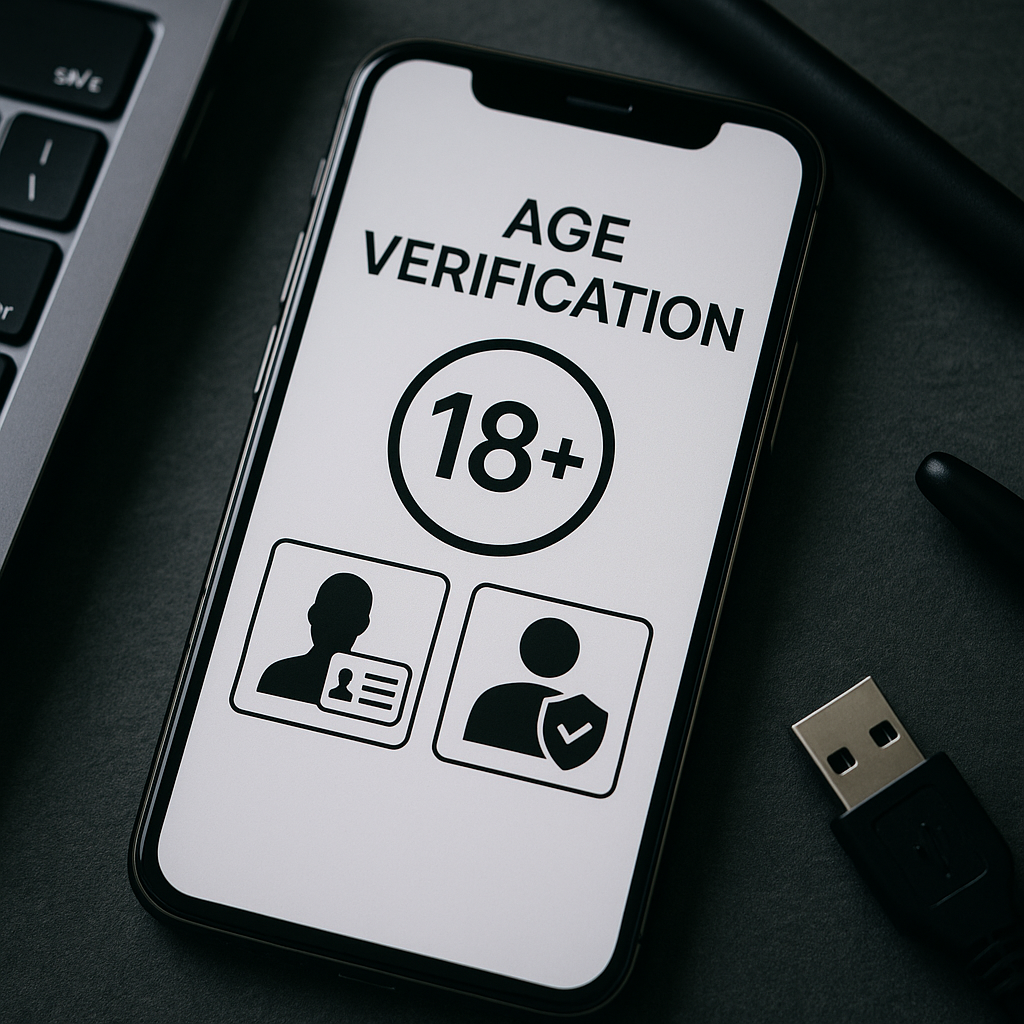
Meta’s Horizon OS, already deployed in their Quest VR ecosystem, hints at the future. Through its Family Center controls, Meta has reportedly implemented the same type of persistent identity layer these laws are advocating for across rival platforms. Observers have raised concerns about scaling this infrastructure to every device—from iPhones to Android smartphones—potentially standardizing invasive identity verification worldwide.
Frances Billings, a cybersecurity expert with TechCrunch, warns, “Embedding age verification into operating systems makes privacy risks unavoidable. The data collected may be used for purposes far removed from age verification itself, including extensive tracking and profiling of users. It’s surprising how little attention this technical reality has received alongside the legislative push.”
Exemptions for Meta Platforms Raise Red Flags
One of the most contentious elements of Meta’s lobbying strategy is its apparent effort to exempt its own platforms from compliance while targeting competitors such as Apple’s App Store and Google Play. The proposed laws would impose stringent requirements on mobile application marketplaces while sparing social media platforms—Meta’s central product ecosystem.

“This overly selective targeting is troubling,” said Emily Rogers, a lawyer specializing in digital ethics, speaking to Reuters. “It raises questions about fairness and anti-competitive motives. When a company leverages legislative processes to burden competitors while bypassing similar obligations itself, it stretches the definition of ethical lobbying.”
Meta’s insistence on crafting laws that conveniently sideline Facebook, Instagram, and similar platforms strikes many as a strategic ploy. It mirrors tactics seen in other industries, where corporations push regulation that undermines rivals while shoring up their own market dominance.
Is This Really About Child Safety?
Meta has publicly positioned these lobbying efforts as a critical step toward protecting children in the digital age. Yet critics argue on both technical and ethical grounds that the company’s approach falls short of this purported goal. Some point out that exempting social media platforms—the very spaces where children face unique risks—undermines the legitimacy of child safety claims.
“If child safety were truly the priority,” says Alan McDermott, a tech journalist for Wired, “these laws would apply uniformly across all platforms, including Meta’s own. Instead, they seem to prioritize competitive advantage over comprehensive protection. It’s hard to believe the rhetoric when the most vulnerable platforms remain untouched by the legislation.”
Meanwhile, critics also worry these laws could pave the way for broader surveillance practices under the guise of safety. The implications of embedding persistent identity checks into billions of devices globally are being underestimated, with implications for individual privacy, corporate control, and governmental data access.
What’s Next for Age Verification Laws?
As debates continue over the ethics and impacts of these age verification initiatives, the focus must shift to transparency and accountability. Regulatory agencies and lawmakers face growing pressure to scrutinize these legislative efforts thoroughly, ensuring they serve their stated purpose rather than amplifying corporate dominance.
For consumers, the stakes include both privacy and the integrity of digital ecosystems. Analysts predict that if Meta successfully enforces these laws in states like Utah, similar policies could spread nationwide and globally, transforming how users interact with devices and applications.
Tech enthusiasts and industry analysts alike are closely monitoring developments in age verification technology, looking for signals of wider adoption. For Meta, its fate in this legislative battle could shape its next chapter in redefining the digital world—whether for better or for worse.
Ultimately, the implications of these laws underscore a critical question: Who controls the future of technology, and at what cost?