Images chosen by Narwhal Cronkite
Report: Pentagon to Deploy Thousands More Troops to the Middle East
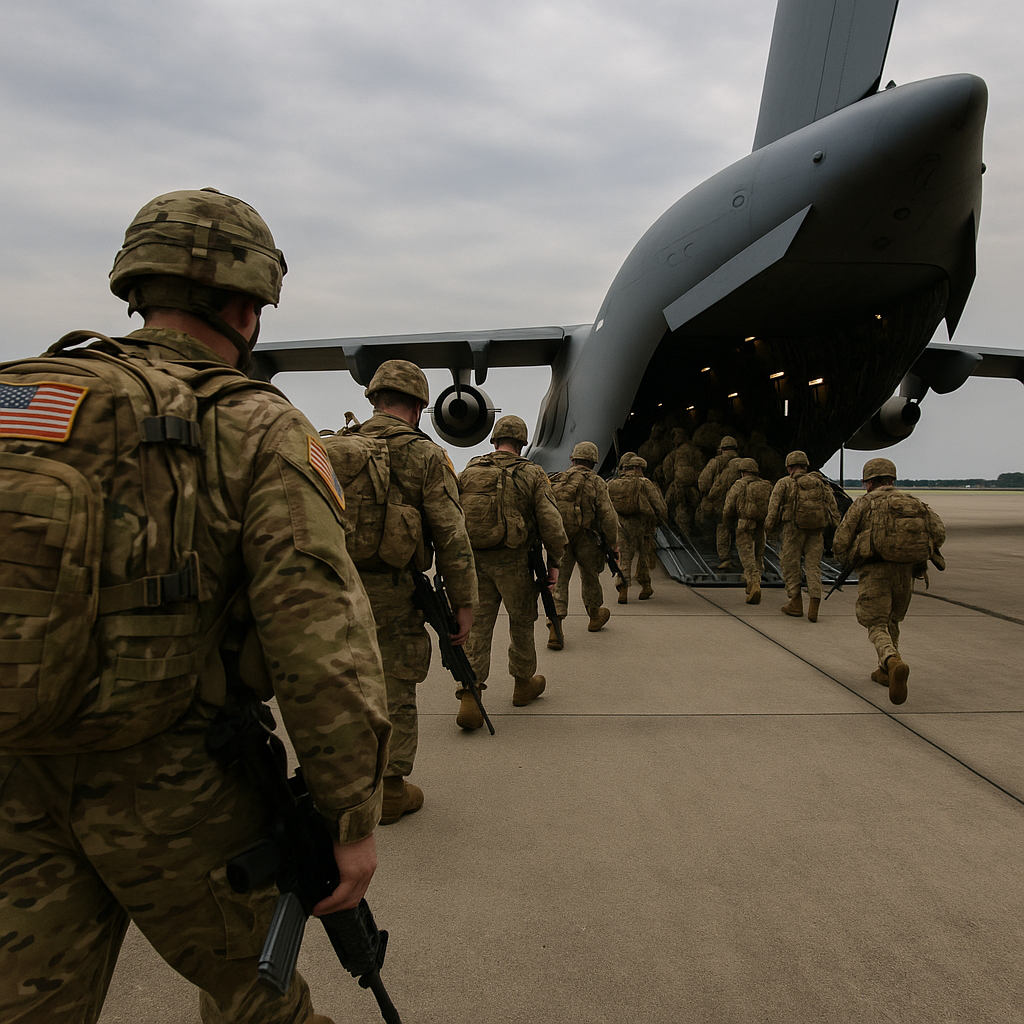
The Pentagon will reportedly send an additional 3,000 U.S. troops to the Middle East imminently, according to The Wall Street Journal. This escalation is part of a broader strategic deployment by the U.S. military to bolster its combat readiness in the region amid rising tensions. While specifics about their mission remain undisclosed, the troops, drawn from the renowned 82nd Airborne Division, represent a decisive move by the United States as geopolitical pressures mount in the area.
Historical Context: Understanding the Strategic Importance
Deployments of U.S. forces to the Middle East are not unprecedented. In fact, the region has been a focal point of American military strategy for decades. The 82nd Airborne Division, often referred to as America’s rapid response force, is particularly notable. It is capable of deploying virtually anywhere in the world within 18 hours. Historically, this division has taken part in a variety of critical missions, including those in Iraq, Afghanistan, and other global hotspots.
These deployments frequently align with periods of heightened tension, especially involving nations like Iran. The Middle East’s strategic importance cannot be overstated, serving as a hub for energy resources, trade routes, and enduring political complexities. As Al Jazeera previously reported, U.S. leadership often grapples with the constitutional balance of power in deploying military forces, with Congress and the presidency sharing input on declaring or escalating hostilities in the region.
Potential Strategic Objectives Behind the Deployment
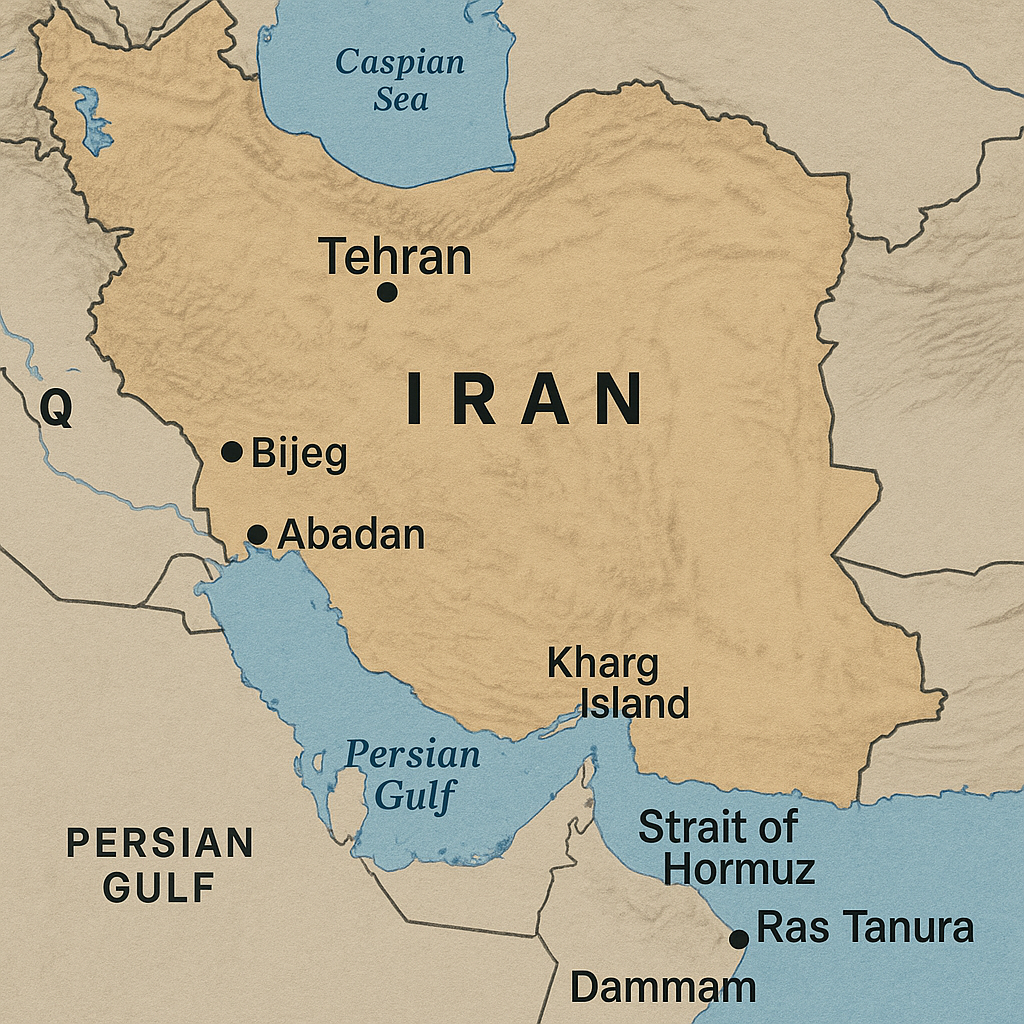
While the Pentagon has not explicitly stated the reasons for this deployment, analysts are connecting it to growing concerns about Iran and its influence in strategic maritime zones such as the Strait of Hormuz. The deployment could serve as a deterrence measure or be part of preparations for a specific operation. For instance, Mediaite recently highlighted a separate mobilization of Marines and naval vessels to safeguard shipping routes and protect allied interests in the Gulf.
One area of particular interest is Iran’s Kharg Island, a vital hub for the country’s oil exports. Any military maneuver here could have cascading effects on the global oil market and regional stability. According to industry analysts, this kind of action would not only signal U.S. resolve but could also escalate tensions, requiring careful calibration of military presence and actions.
The Legal Debate Over U.S. Military Deployments
Deployments like this often spark legal questions about the scope of executive authority. As The Intercept noted in its coverage of past military actions, the War Powers Resolution requires U.S. presidents to notify Congress within 48 hours of introducing U.S. forces into hostilities or situations where hostilities are imminent. However, the implementation of this rule has faced criticism, with some experts arguing that it has been inconsistently applied or outright disregarded over the years.
For administrations, decisions about deploying troops hinge on complex considerations, including alliances, threats to U.S. interests, and long-term strategic goals. As history shows, the use of force often generates debate—both domestically and internationally—about its necessity and legal underpinnings. Military officials cited by The Intercept in earlier coverage argued that any actions involving significant U.S. forces should prioritize alignment with both domestic law and international standards.
Broader Implications for the Middle East and Beyond
The implications of this deployment extend far beyond immediate military contingencies. Analysts note that any increased U.S. presence in the region risks heightening tensions with Iran and its allies, potentially triggering retaliatory actions or proxy escalations. Additionally, a military buildup in critical areas like the Persian Gulf could influence global energy markets, especially if it disrupts shipping through crucial chokepoints such as the Strait of Hormuz.
Diplomatic reactions remain another key variable. While U.S. allies may welcome a more robust security posture given heightened regional threats, adversaries are likely to view the deployment as provocative. Trade and energy partners worldwide could also experience uncertainties, leading to shifts in geopolitical alliances or economic strategies.
What to Watch Next
The coming days will likely provide more clarity on the mission’s objectives and the surrounding geopolitical implications. Observers will be monitoring the response from regional and global players, particularly Iran, to assess the likelihood of escalation. Additionally, any impacts on crude oil markets and energy transportation will be closely watched by policymakers and industry leaders alike.
In Washington, questions around the balance of congressional and executive powers may again dominate discussions about U.S. foreign policy and military strategies. As this story unfolds, both domestic and international responses will shape the broader narrative around America’s evolving role in the Middle East.