Images chosen by Narwhal Cronkite
Republicans Release AI Deepfake of James Talarico Amid Rising Use of Fabricated Videos in U.S. Elections
The escalating integration of artificial intelligence into election campaigns has taken a controversial turn. Earlier this week, Senate Republicans unveiled an ad featuring a fabricated deepfake of Texas state representative and Democratic candidate James Talarico. The video, created using AI technology, portrays an eerily lifelike simulation of Talarico delivering statements he never actually made. The incident underscores mounting concerns surrounding synthetic media’s role in eroding trust during America’s election cycles.
The Anatomy of a Deepfake: How Technology is Transforming Political Messaging
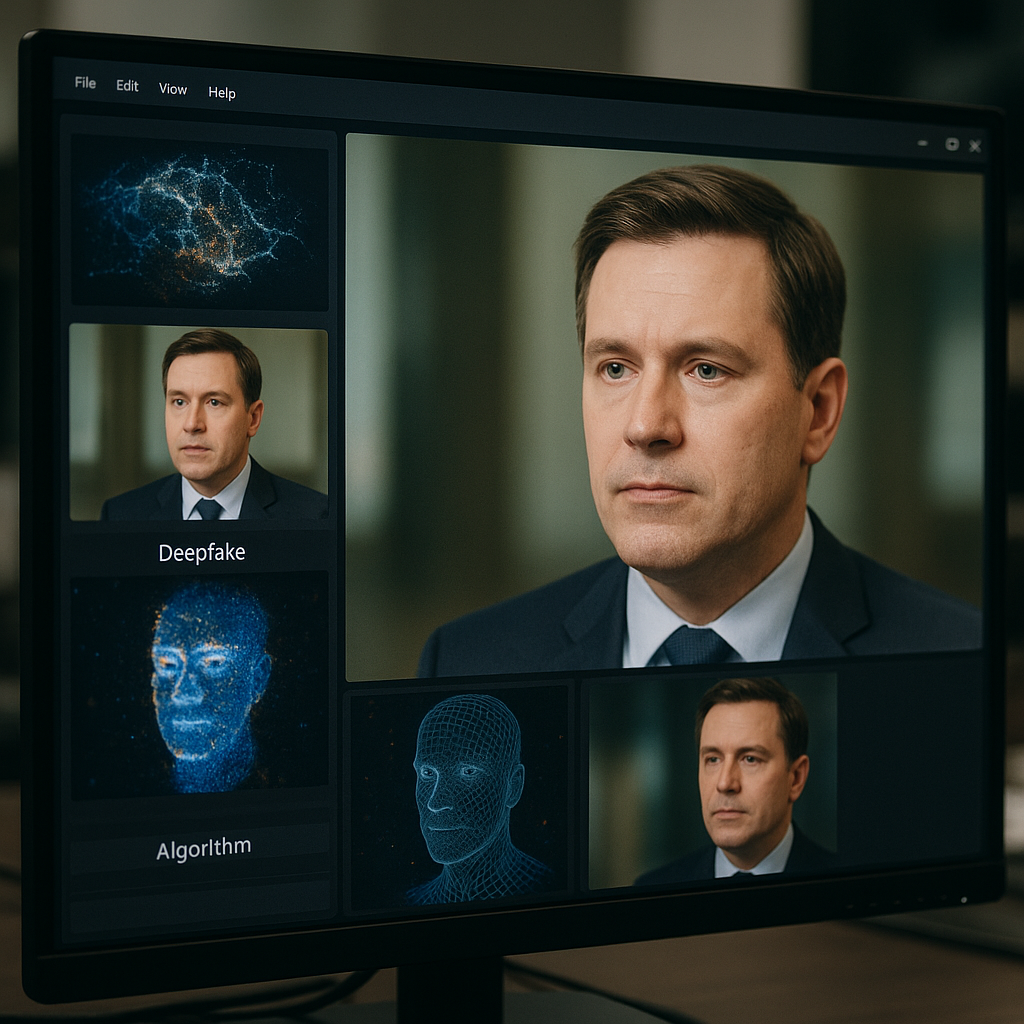
Deepfakes, the product of advanced machine learning algorithms, have been on the radar of technologists for years. These digital recreations convincingly simulate a person’s appearance, voice, and expressions, often blurring the line between reality and fabrication. The Talarico video marks a significant entry of this technology into high-profile U.S. political campaigns, presenting challenges for voters already inundated with disinformation.
According to CNN’s report, the video shows Talarico speaking directly into the camera for over a minute. Every word attributed to him, however, was fabricated using AI software. While no explicit disclosure was provided in the clip identifying it as artificial, experts say its level of realism could easily deceive viewers unfamiliar with the concept of deepfakes.
“This technology is a double-edged sword,” said Dr. Carla Moreno, a researcher in digital ethics at the University of California, Berkeley. “It can create convincing simulations for entertainment or education, but its misuse—especially in political or financial contexts—undermines public trust and democratic institutions.”
A Growing Trend in Electioneering
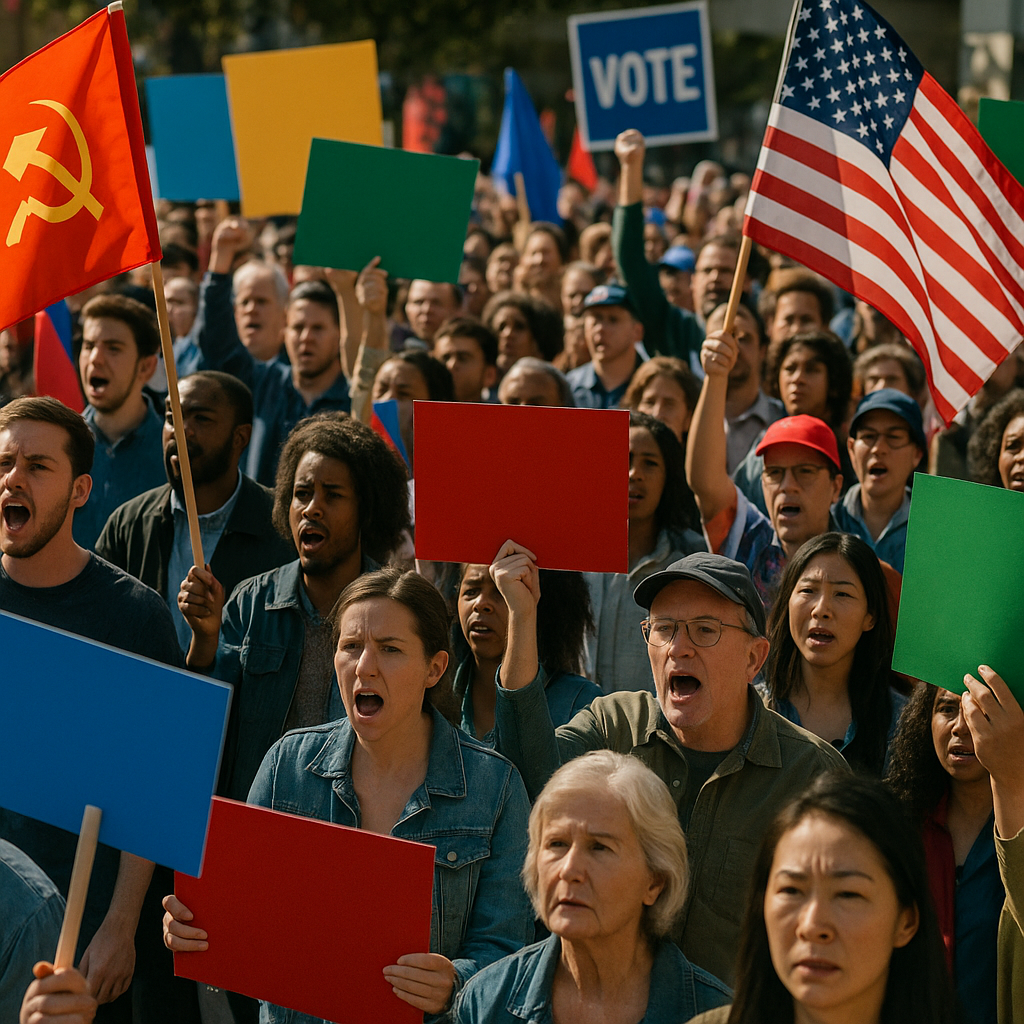
While the technology behind deepfakes is not new, its application in electoral politics appears to be reaching unprecedented levels. Artificial intelligence is reshaping modern campaigning, from personalizing outreach strategies to producing hyper-targeted ads for specific voter demographics. However, the use of deepfakes to mislead raises ethical and legal questions about the limits of political speech.
Over the past few years, synthetic videos have gained attention worldwide. Notable examples include manipulated clips of high-profile figures like Ukrainian President Volodymyr Zelenskyy and Meta CEO Mark Zuckerberg. In these cases, the videos were quickly debunked, but they still sparked significant online controversy before being definitively dismissed as fake.
This strategy’s arrival in American midterm campaigns, however, signals a troubling escalation. “We’re seeing political operatives weaponize deepfakes in ways that exploit existing divisions among voters,” commented Alex Rivera, a veteran political analyst. “Without robust legislation, campaigns are entering uncharted waters where accountability for digital deception is ambiguous at best.”
Legal and Ethical Questions: Where to Draw the Line?
The release of the Talarico deepfake has sparked debates about the ethical and legal implications of using AI-generated content in elections. Currently, federal law only requires disclaimers on ads that include an explicit message from a candidate or their campaign. This legal gray area leaves room for outside groups to proliferate deceptive media without repercussions, provided they do not overtly coordinate with political campaigns.
“The United States has not fully grappled with the implications of synthetic media,” said Matt Kessler, a digital governance lawyer based in Washington, D.C. “Deepfakes pose a unique challenge because they go beyond text-based misinformation and directly exploit trust by mimicking real individuals.”
Advocacy groups have called for action to create clearer regulations around the use of AI-generated media in politics. Proposals have ranged from mandatory labeling of synthetic content to stricter oversight of AI tools by federal agencies. However, implementing such measures is complicated by issues of free speech and technological enforcement.
What This Means for Voters
As fabricated videos become more prevalent, voters are increasingly tasked with distinguishing between genuine and altered content. Experts emphasize that digital literacy will be key to navigating the challenges posed by AI-manipulated media. Public awareness campaigns around recognizing deepfakes – such as paying attention to visual glitches and unnatural movements – are already gaining traction among media organizations and watchdog groups.
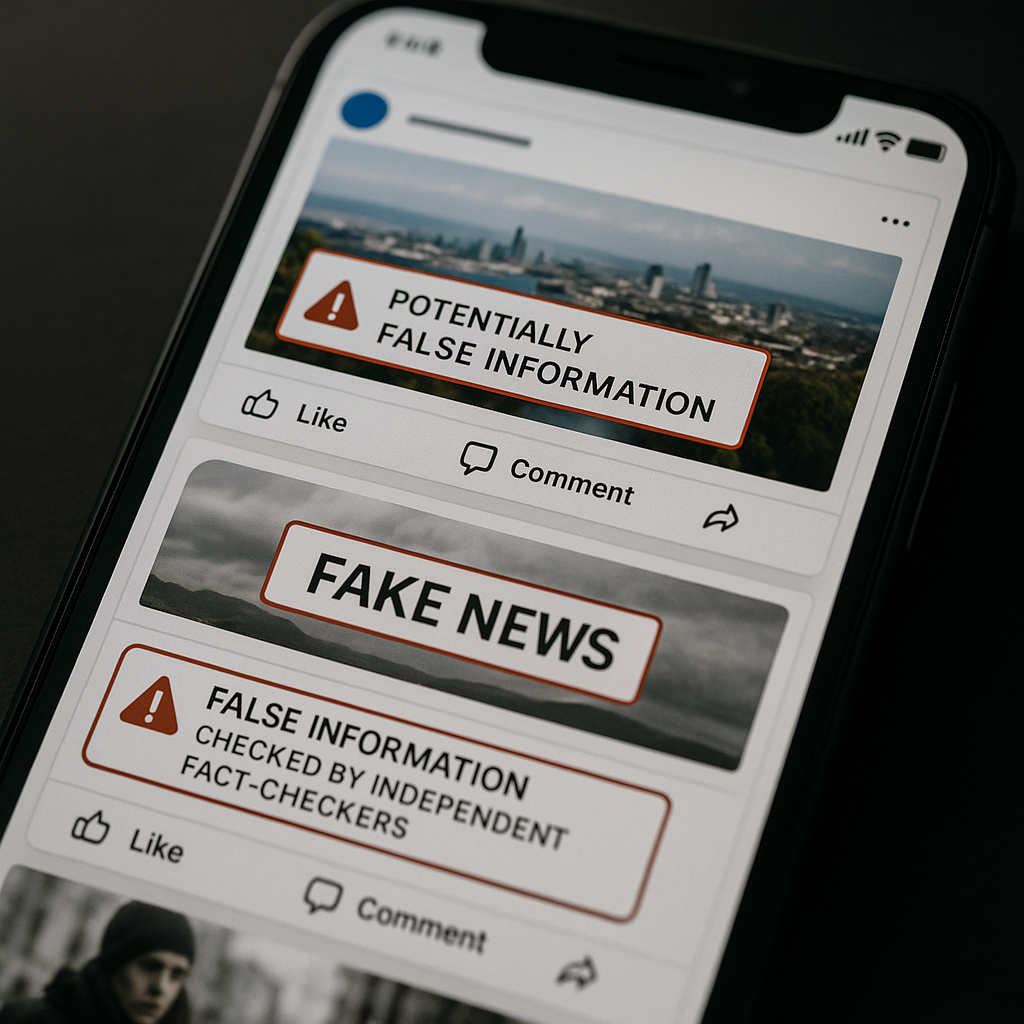
Social media companies have also come under scrutiny for their role in curbing the spread of disinformation. While platforms like Facebook and X (formerly Twitter) have implemented policies to identify and flag potentially misleading content, enforcement remains inconsistent. Tech companies are also experimenting with AI solutions to detect deepfakes, but the speed at which such content evolves often outpaces attempts to regulate it.
“We are at a critical juncture,” said Cynthia Marsh, a media literacy advocate. “If voters cannot trust what they see and hear, democracy itself becomes destabilized. This isn’t just about technological advances—it’s about transparency and accountability in democratic processes.”
The Road Ahead: Can Democracy Outsmart AI?
Looking forward, addressing the challenges posed by deepfakes will require a multi-pronged approach that involves policymakers, technology companies, and the public. The Federal Election Commission (FEC) is reportedly exploring ways to expand regulations to cover synthetic media in campaign ads, though no formal steps have been announced.
Moreover, an influx of AI literacy initiatives could empower voters to recognize and question manipulative content. Simultaneously, bipartisan deliberations over labeling requirements for digitally altered videos may help limit their impact during campaigns.
For now, the Talarico deepfake serves as a wake-up call for the nation ahead of the midterms. It not only illustrates how artificial intelligence is reshaping political discourse but also challenges Americans to engage critically with the media they consume. As debates about synthetic media continue, the balancing act between innovation and integrity will increasingly define the future of elections in the digital age.
“This is a pivotal moment,” added Dr. Moreno. “The hope is that policymakers and voters alike can respond to this new reality with clarity and purpose rather than fear and confusion.”
What to Watch
With less than a year until the midterm elections, the use of AI in campaigns is likely to accelerate. Key areas to monitor include:
- The Federal Election Commission’s stance on regulating synthetic media
- Emerging technologies designed to detect deepfakes in real-time
- Public awareness campaigns aimed at promoting digital literacy
- How voters react to subsequent controversies involving deepfakes
The conversation about AI in politics represents more than a technological evolution—it’s a challenge to the bedrock of trust that underpins democratic societies.