Images chosen by Narwhal Cronkite
RFK Jr.’s Vaccine Policies: A Debate on Authority and Public Health
Amid a heated legal battle, the sweeping powers of Health Secretary Robert F. Kennedy Jr. over vaccine policy are under scrutiny after a Department of Justice lawyer described his authority as “unreviewable.” This bold assertion has sparked concern among medical professionals, questioning the limits of federal agency discretion and the future of public health.
The Controversy: Policy Changes Without Precedent
Since taking office, Kennedy Jr., widely known for his anti-vaccine stance, has made numerous changes to federal vaccine protocols. These include slashing the CDC’s recommended childhood vaccine schedule from 17 doses to just 11, aligning it with Denmark’s norms—a move that positions the US as an outlier among high-income countries. Kennedy also replaced the CDC’s vaccine advisory panel with his own group of allies, notably devoid of traditional medical expertise.
Critics, including the American Academy of Pediatrics (AAP), argue that such abrupt decisions lack scientific backing and bypass due process. As reported by Reuters, James Oh, the lawyer representing AAP and others challenging Kennedy’s approach, described these actions as “reckless” and akin to decisions made without reasoned methodology.
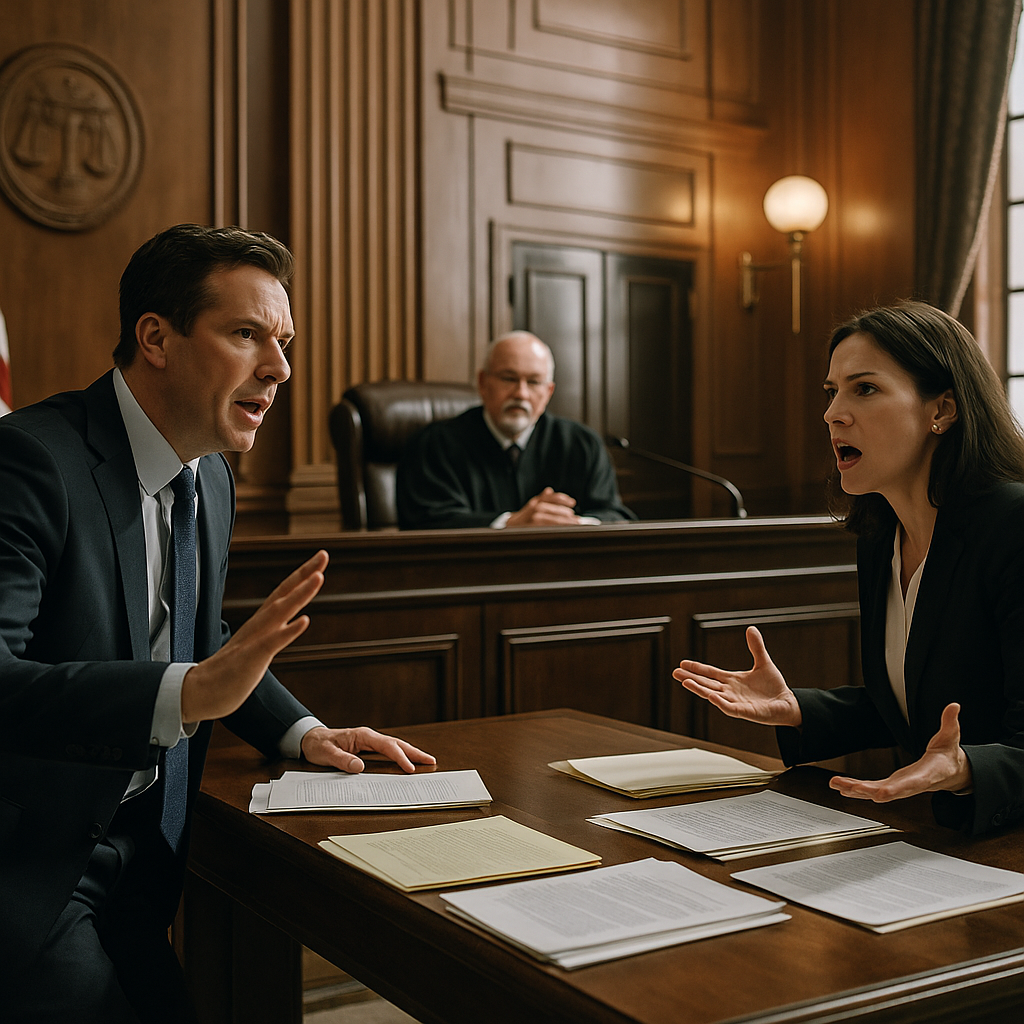
Isaac Belfer, legal representative for the Health and Human Services Department, defended Kennedy’s authority as expansive. According to Belfer’s argument in court, Kennedy has such sweeping discretion that even hypothetical policies promoting exposure to infectious diseases could be deemed unchallengeable under current regulations. Judge Brian Murphy, presiding over the case in Boston, appeared skeptical, pressing Belfer on where the line for reviewability lies.
Unpacking “Unreviewable” Policy Authority
The idea that a federal official’s decisions may be “unreviewable” highlights broader concerns about the balance of power within governmental agencies. In most instances, public health decisions by agencies like the Centers for Disease Control and Prevention (CDC) are subject to thorough scientific vetting. Yet Kennedy’s unilateral approach bypasses this standard process, raising alarms among healthcare organizations.
“Kennedy’s decisions could set a dangerous precedent for unchecked authority in critical domains like public health,” commented Dr. Elena Martinez, a renowned epidemiologist. “Such an approach undermines decades of public health advancements crafted through consensus and peer review.”
The CDC, traditionally a gold standard for vaccine policy, has seen its expert council replaced by figures who align with Kennedy’s anti-vaccine views. The result is a policy environment less grounded in scientific evidence and more reflective of personal ideology—a shift that medical groups argue could have direct consequences for national health.

Legal and Ethical Implications
The case against Kennedy represents a broader tug-of-war between medical organizations and government oversight. The plaintiffs are seeking a preliminary injunction to halt Kennedy’s revisions to vaccine policy and block his new advisory panel from convening. With immediate implications for the CDC’s March 18 meeting, the case is a race against time.
As observed by Ars Technica, Judge Murphy expressed urgency and the need to issue a ruling before the upcoming advisor meeting. At the heart of the debate lies not just the legal boundaries but ethical considerations: Should public health officials wield unchecked authority over community health decisions?
“Unchecked power is always concerning, but in the domain of public health, it could be catastrophic,” warned Sophie Clemens, public health policy analyst. Clemens noted that Kennedy’s administration has stirred controversy by advocating alternative vaccine practices that diverge from the widely accepted norms established by global health organizations.

Potential Fallout for Public Trust
Kennedy’s actions are reshaping public perception of vaccines, exacerbating existing divides in vaccine acceptance. The broader anti-vaccine rhetoric could have ripple effects—impacting childhood immunization rates and fostering mistrust in established health protocols. Data from the World Health Organization indicates that declines in vaccination rates are already linked to spikes in preventable illnesses like measles and mumps.
This erosion of trust may be further amplified by Kennedy’s advisory panel, whose collective stance on vaccines remains controversial. Critics argue that the sidelining of scientific experts in favor of ideologues could result in long-term damage to public health infrastructure.
What’s Next?
The forthcoming ruling by Judge Murphy is set to address key questions about the limits of Kennedy’s authority and the role of judicial oversight. Should Kennedy’s decisions stand unchallenged, public health policy in the United States may face a period of instability. However, should the injunction succeed, it could signal a broader pushback against political interference in science-driven institution mandates.
Beyond this case, the implications are significant: When does federal agency discretion go too far, and who holds such officials accountable? For now, all eyes will be on Boston’s federal courtroom, as stakeholders await Murphy’s decision before the March 18 advisor meeting.
The Takeaway for Public Health Advocates
Ultimately, the case underscores the need for transparency and science-led governance in public health decision-making. Whether Kennedy’s policies go unreviewed or face reversal, the broader conversation on agency accountability will remain critical for shaping the future of healthcare—including the most contentious debates around vaccinations.