Ring’s Lost Pet Tracking Ad Sparks Privacy Backlash
At this year’s Super Bowl, a prominent Ring Doorbell commercial captivated millions of viewers with its unique promise: a technological solution to help reunite lost pets with their families. While the ad aimed to tug at heartstrings—and even showcased real-life reunions—the feature it introduced, aptly named Search Party, also rang alarm bells for privacy advocates. Could a tool designed to find Fido or Fluffy also open the door to mass surveillance?

The Concept: Community Search Through Technology
The ad debuted during an extended commercial break of the 2026 Super Bowl in Santa Clara, California. It explained how Ring’s Search Party feature allows homeowners to upload images of their missing pets to the Ring app. Once uploaded, the system utilizes AI to scour nearby Ring Doorbell and security camera footage for a visual match, sending notifications if a match is found.
At its core, the feature appears to blend innovation with altruism. According to the ad and Amazon News, the tool already boasts successful stats: over a dog a day reunited with its family since a soft launch. Amazon has even pledged $1 million to U.S. animal shelters to help deploy Search Party and support their operations.
But some—particularly experts in surveillance and civil liberties—are questioning the proposal’s broader implications. If Ring can deploy AI to access footage for missing pets, critics argue, might the same infrastructure be used for less commendable purposes?

The Privacy Debate: Good Intentions with Potential Risks
The backlash to the ad across social media and industry channels highlights a deeper debate about balancing convenience with privacy. While some hailed the feature as a game-changer for pet rescue, others—such as tech analysts and digital rights groups—voiced concerns about the potential for misuse.
“The idea of using community cameras to aid in finding lost pets could indeed be beneficial,” explains Deirdre Savage, a cybersecurity analyst who spoke to Slashdot.org during CES 2026. “But the architecture of such a system also opens up possibilities for overreach. What if this functionality is extended to track people, rather than pets?”
Industry observers worry that the introduction of such a tool, even with ethical intentions, might normalize expanding access to private footage. Critics have also pointed out the vague specifics concerning how long footage is stored or who has control over its management. The potential for bad actors to exploit such a broad network only compounds these fears.
From Connection to Surveillance: Where to Draw the Line?
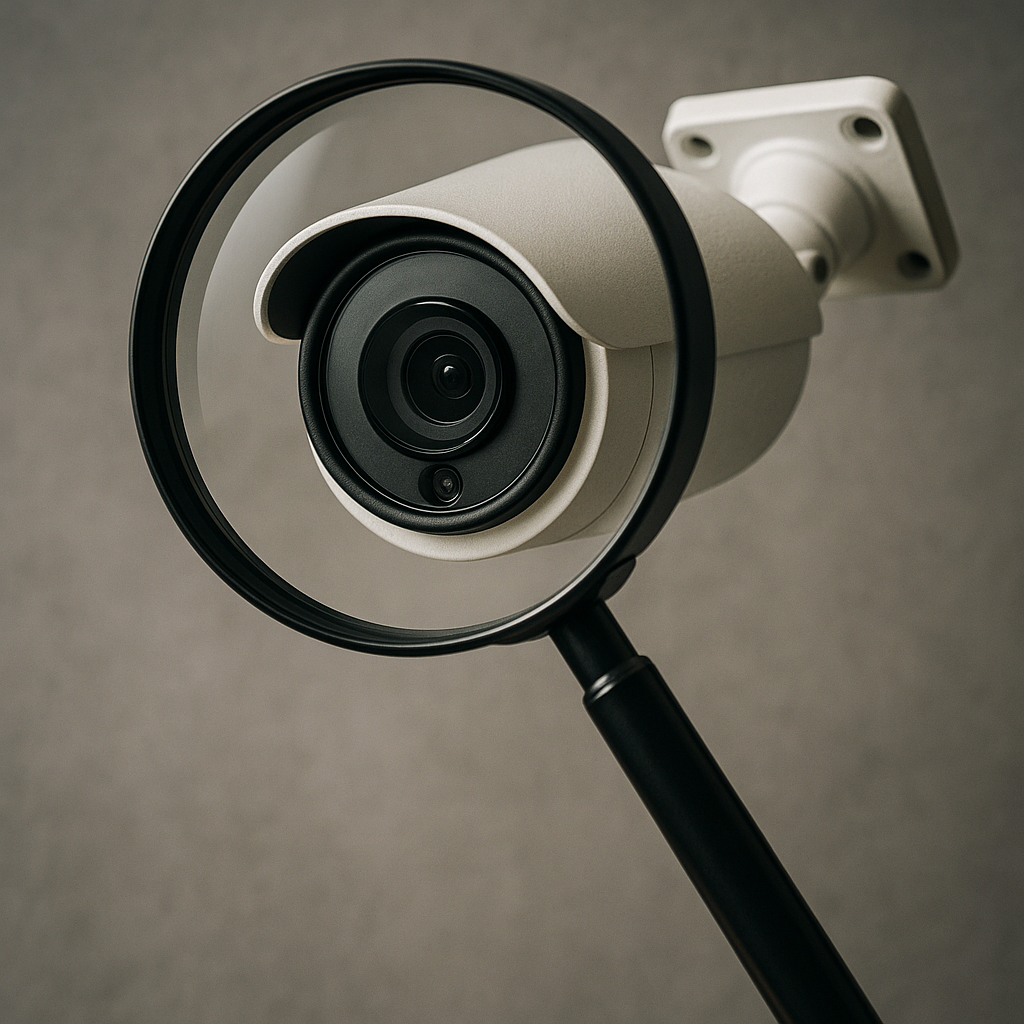
The bigger picture of the controversy lies in the ever-blurring line between safety and surveillance. Ring, which boasts millions of connected devices across the U.S., has already faced criticism in the past regarding its partnerships with law enforcement. In particular, these collaborations have prompted questions about third-party access to homeowner footage without explicit consent.
“Ring’s latest feature feels like a step toward a surveillance state,” noted Callum Rosser, a tech ethicist interviewed by Tyla.com. “Even when the focus is on pets, what controls keep this system from being leveraged elsewhere? Who determines what constitutes a justifiable reason for access?”
Amazon, Ring’s parent company, insists that Search Party prioritizes user consent and community-driven solutions. According to their official statement, footage from Search Party is only sourced from devices where the owners willingly opt into the initiative. Still, critics argue that such voluntary consent can become murky if individuals face social or peer pressure to participate.
The Legacy of Data Concerns in Smart Tech
This controversy is far from the first time that Ring’s approach to security technology has made waves. In 2021, reports surfaced regarding vulnerabilities in the platform’s network, giving cyber attackers a foothold to exploit customer devices. More recently, the company faced questions from lawmakers around data privacy when it was revealed that Ring had shared footage with police forces without the account holder’s knowledge in certain emergency cases.
The broader trend of integrating AI-driven surveillance in consumer products also extends well beyond Ring. From facial recognition in retail shops to license plate scanners deployed by municipalities, smart tech has sparked waves of debates around privacy, autonomy, and ethical use. Critics are now asking: Is the lost pet dilemma just the latest pretext for gradually eroding privacy standards?
“If we look back two decades,” Deirdre Savage observes, “public cameras were the exception, not the norm. Today, everything from your front porch to the interior of private vehicles can be under some form of surveillance. The more normalized these devices become, the more difficult it becomes to discern freedom from observation.”
What’s Next for Smart Tech and Privacy?
The unveiling of Ring’s Search Party has put the spotlight squarely back on the fine print of data policies. As adoption of smart home devices continues to grow, transparency around how data is accessed, stored, and audited will remain vital. Consumers, too, are increasingly demanding accountability from companies deploying such pervasive technologies.
Observers anticipate that legislation specific to privacy in smart technologies may become more pressing. In the U.S., for instance, there’s a growing push for federal regulations on consumer privacy standards, particularly as they relate to AI and surveillance tech. Internationally, regions like the European Union may even serve as a benchmark for stringent oversight.
“While it’s important to acknowledge the innovation here,” adds Rosser, “consumers should remember that every new feature or convenience comes with a trade-off. Discussions on ethical design and informed consent will determine whether such technologies remain tools for good—or gradually morph into tools for control.”
The Search Party feature leaves users at a moral and practical crossroads: do we prioritize security and connection, or do we draw a firmer line when it comes to privacy? For now, at least, the debate appears far from settled.
Implications: Vigilance in a High-Tech Era
As the discourse surrounding Search Party continues to unfold, there are key questions that communities, regulators, and companies must tackle. Can Ring and similar companies assure users their data is safeguarded against misuse? How will systems like Search Party evolve with broader surveillance concerns in mind? Most importantly, where should the line be drawn between community benefit and individual privacy?
For now, tech companies and lawmakers might do well to view this backlash as a cautionary tale. The initial rollout of seemingly helpful features like Search Party could define not just public trust, but also the trajectory of the smart-tech ecosystem at large. As consumers, staying informed about these developments will be essential for reclaiming some control in an age of increasingly pervasive technology.