Images chosen by Narwhal Cronkite
Russia Is Providing Iran Intelligence to Target U.S. Forces, Officials Say
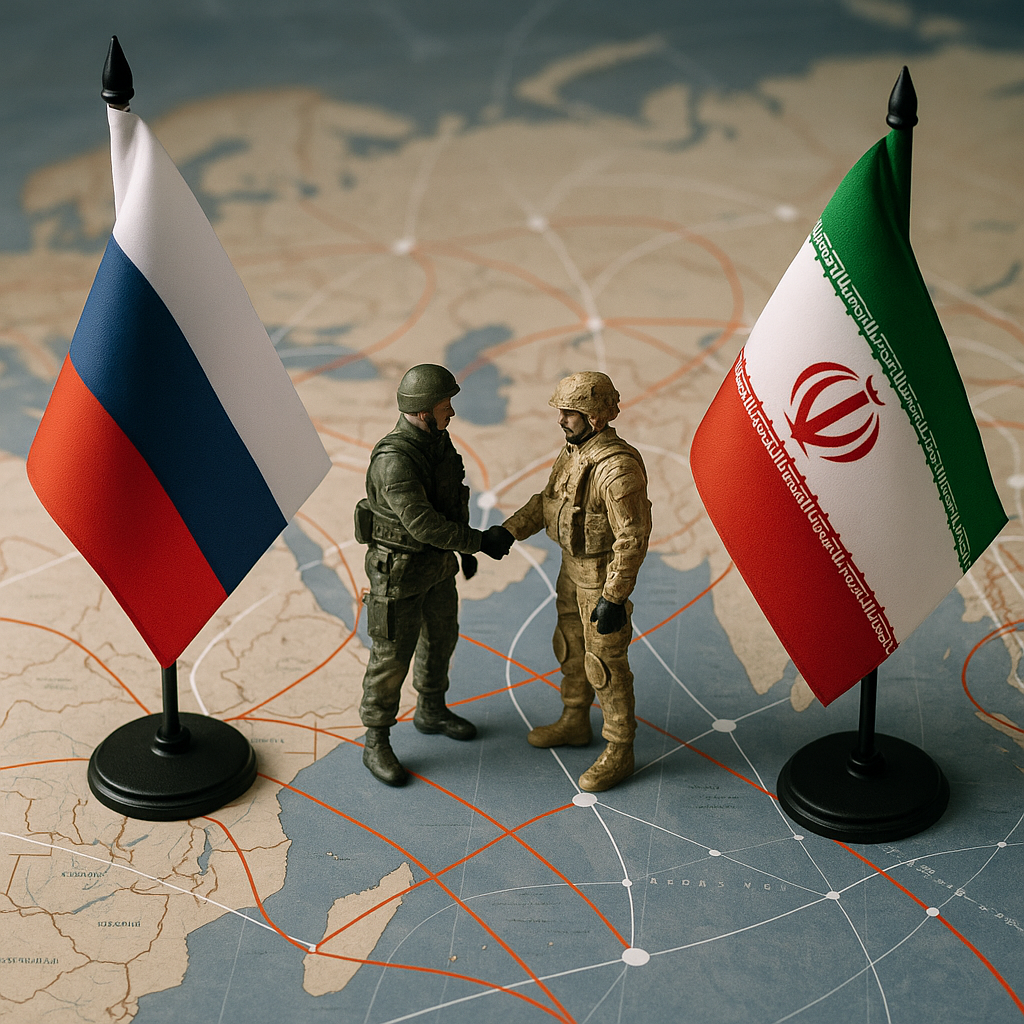
In a development that signals a deepening alliance between Russia and Iran, U.S. officials have revealed that Moscow is sharing intelligence with Tehran to assist in targeting American forces stationed in the Middle East. This collaboration could significantly ramp up tensions in a region already on edge from escalating proxy conflicts and strategic posturing.
How Russia and Iran’s Collaboration Is Shifting Regional Dynamics
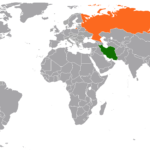
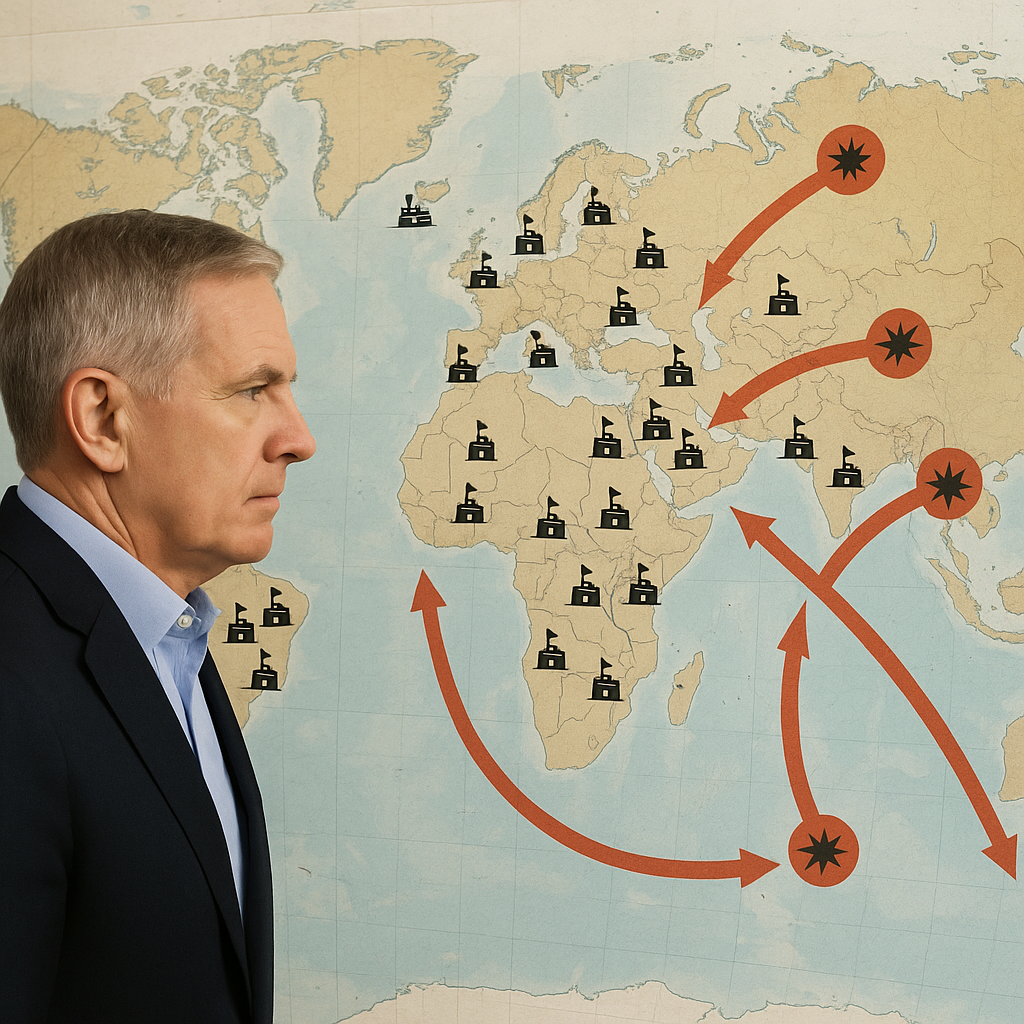
Russia’s decision to share intelligence with Iran underscores a shared hostility toward U.S. influence globally. According to officials, this includes actionable information about U.S. military bases and the movement of personnel and assets. Although such operations aren’t new in statecraft, the extent and intent behind this specific collaboration appear to mark an escalation in Russia and Iran’s geopolitical maneuvers.
The ongoing partnership between these two nations reflects a confluence of strategic interests. Russia, embroiled in its own conflict with the West over Ukraine, seemingly views Iran as a valuable partner for containing American power in the Middle East. Conversely, Iran’s leadership finds in Russia a steadfast supporter. This is particularly crucial as Tehran struggles with mounting global isolation due to its nuclear ambitions and aggressive regional policies.
As The Atlantic noted in its recent article, “Cuba Is Next,” U.S. foreign policy under President Trump has increasingly aimed to quash its long-standing adversaries, including Iran. This policy has required a recalibration of alliances globally, possibly accelerating this new boldness within the Russia-Iran nexus.
Iran’s Military Stalemate and the Drive for Strategic Leverage
Tehran’s attempts to build what Vox described as an “Axis of Resistance” with allies such as Hezbollah, the Houthis, and Iraqi militias have met significant setbacks. The October 7 incident in Israel, followed by clashes across the region, demonstrated cracks in Iran’s ambitious network of proxies. “One of the most notable failures in Iran’s strategy is its inability to project unified strength,” explained a geopolitical analyst. “The idea was to counterbalance their vulnerabilities through allied militias, but that’s been easier said than done.”
Against this backdrop, Russian intelligence offers Iran a crucial means to recalibrate its military calculus. By targeting U.S. forces directly, Iran not only demonstrates its capability to inflict harm but attempts to reassert itself as a dominant force in Middle Eastern geopolitics.
This strategy ties in with a broader vision to, as described by Natural News, “blind, deplete, and overwhelm” U.S. defenses. Rather than relying solely on direct confrontations, this sophisticated approach integrates cyber operations, electronic warfare, and intelligence-based targeting to create maximum disruption while reducing Iranian vulnerabilities.
Risk of Further Escalation
The potential risks stemming from these developments cannot be overstated. If Iran uses Russian-provided intelligence to successfully target U.S. interests, the response could escalate rapidly. “It’s a scenario ripe for miscalculation,” a senior military official warned. U.S. forces in the Middle East are already on heightened alert, and any significant strike would likely be met with an overwhelming retaliatory surge.
This is compounded by the rising number of cyber-attacks and disinformation campaigns linked to both Russia and Iran. A recent Hacker News bulletin highlighted how state-sponsored actors are now leveraging existing vulnerabilities rather than new exploits to infiltrate secure systems. This dovetails with the intelligence-sharing revelations, suggesting possible coordinated operations that reach beyond traditional military strikes to include cyber and psychological warfare.

Implications for U.S. Strategy and Regional Stability
The deepening bond between Russia and Iran is a stark reminder of how adversarial nations often find common ground in challenging the U.S.-dominated order. For Washington, this will necessitate a re-evaluation of its regional strategy. While the immediate focus will likely remain on shoring up defenses at bases and safeguarding personnel, long-term plans will have to address these growing coalitions.
Moreover, the Middle East’s already fragile stability is further endangered. Such alliances not only heighten the risk of direct confrontation but also embolden proxy groups, potentially leading to an increase in the kind of asymmetric warfare that has defined many of the region’s conflicts.
“Russia and Iran are playing a long game,” observed an international policy expert. “And that game has ramifications that stretch far beyond the Middle East. By dividing America’s attention and forcing resource allocation across multiple regions, they aim to weaken the U.S. globally.”
What to Watch for Next
The world will undoubtedly be watching how the U.S. responds to this intelligence-sharing alliance. For now, analysts suggest a closer alignment between Washington and its regional allies—particularly Israel and Gulf Cooperation Council (GCC) states—could help counteract the Russia-Iran partnership.
Another key component will be cyber preparedness. Given the multifaceted nature of modern warfare, the ability to thwart cyber intrusions and resiliently adapt to electronic disruptions will play a pivotal role in stemming potential escalation.
Finally, the geopolitical implications of this alliance could have a domino effect. Observers should watch closely for signs that other nations, particularly China and North Korea, might follow suit by augmenting their collaborative ties with either Russia or Iran.
The chessboard of global power is shifting, and as this partnership solidifies, it may set the tone for future conflicts across the world.