LONDON – Ukrainian President Volodymyr Zelenskyy has urged the international community to maintain pressure on Russia after another night of missile and drone attacks across Ukraine. His statement comes just a day after the United States confirmed it had halted intelligence sharing with Kyiv.
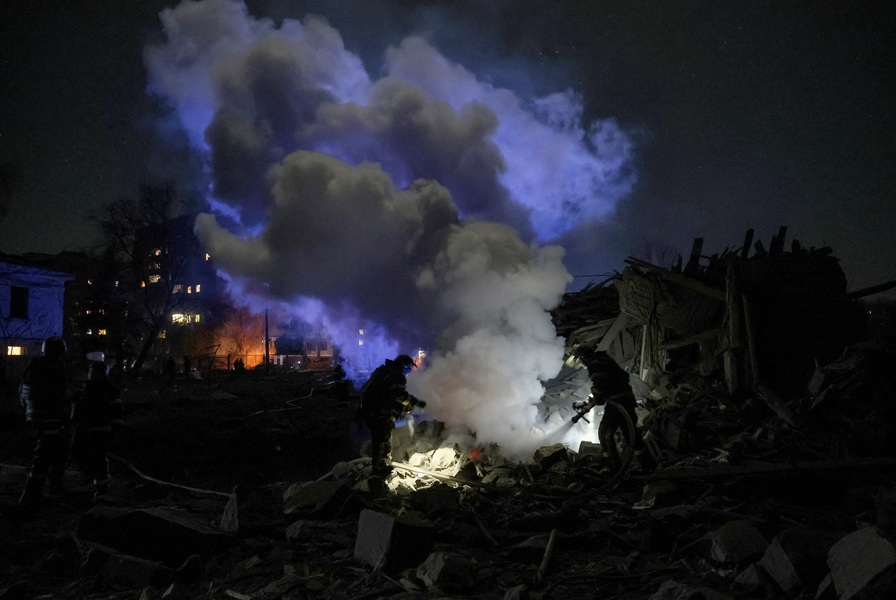
Ukraine’s air force reported that 112 drones and two missiles were launched overnight, with 68 drones intercepted and 43 lost in flight. Strikes damaged multiple regions, including Kharkiv, Sumy, Odesa, and Dnipropetrovsk.
In Dnipropetrovsk, a ballistic missile struck a hotel in Kryvyi Rih, Zelenskyy’s hometown, killing four people and injuring more than 30 others. The attack occurred shortly after foreign humanitarian volunteers checked in, though none were harmed.
“There must be no pause in the pressure on Russia to stop this war and terror against life,” Zelenskyy wrote on social media.
Ukraine’s Air Defenses at Risk Amid U.S. Military Aid Pause
Russia’s nightly missile and drone attacks have made Western-supplied air defense systems crucial to Ukraine’s survival. However, President Donald Trump’s decision to freeze U.S. military aid and intelligence sharing has sparked fears that Ukraine’s defenses may weaken in the coming weeks.
The aid pause follows last week’s tense Oval Office meeting between Zelenskyy and Trump. White House officials have suggested the freeze could be lifted if Ukraine moves toward a peace deal with Russia.
Previously, U.S. intelligence sharing allowed Kyiv to track Russian aircraft, missile launches, and drone activity, providing advance warnings to targeted areas. A Ukrainian intelligence official confirmed to media that the pause also includes a halt in U.S. satellite imagery sharing via the Defense Intelligence Agency.
Southern University Lockdown Issued After Campus Shooting
Zelenskyy Seeks European Support Amid U.S. Uncertainty
Zelenskyy is set to travel to Brussels on Thursday to meet with European leaders, pushing for additional military and political support. His primary request: more air defense systems to counter Russia’s escalating attacks.
Meanwhile, CIA Director John Ratcliffe stated that Trump ordered a temporary pause in aid and remains committed to peace. Ratcliffe suggested that the freeze may have pressured Zelenskyy into reviving peace talks with Russia.
“The pause that allowed that to happen, I think will go away,” Ratcliffe added.
Trump Pressures Kyiv for Peace Deal and U.S. Resource Access
Trump has repeatedly—and falsely—blamed Ukraine for starting the war with Russia while questioning Zelenskyy’s legitimacy as president. The White House is pressuring Kyiv to accept a peace agreement that would also grant the U.S. access to Ukrainian mineral resources.
Zelenskyy called his White House meeting with Trump “regrettable”, but in a Tuesday statement, he signaled willingness to negotiate:
“Ukraine is ready to come to the negotiating table as soon as possible to bring lasting peace closer,” he said. “Nobody wants peace more than the Ukrainians.”
As Ukraine braces for further attacks, the fate of U.S. support remains uncertain, leaving Kyiv to seek alternative sources of military aid.
Why It Matters
The ongoing conflict in Ukraine has been a flashpoint for global tensions, with significant implications for international stability and security. The U.S. decision to freeze military aid and intelligence sharing comes at a critical juncture, as Ukraine faces an intensifying barrage of missile and drone attacks from Russia. Without these crucial resources, Ukraine’s ability to defend itself and protect its civilian population could be severely compromised.
Experts warn that any perceived reduction in Western support could embolden Russia to escalate its aggression further. Additionally, the halt in intelligence sharing may hinder Ukraine’s ability to anticipate and respond to attacks, potentially leading to higher civilian casualties and greater destruction of infrastructure. The situation underscores the fragile balance of power in Eastern Europe and the broader geopolitical ramifications of the war.
Humanitarian Concerns Escalate
The humanitarian impact of the conflict continues to mount, with millions of Ukrainians displaced and widespread damage to critical infrastructure, including hospitals, schools, and residential areas. In Kryvyi Rih, where the recent missile strike claimed four lives, local officials have called for increased international humanitarian aid to address the growing needs of survivors and displaced families.
“The situation on the ground is dire, with civilians bearing the brunt of these relentless attacks. Without immediate and sustained international support, the humanitarian crisis will only worsen,” said Dr. Anna Petrova, Director of the Ukrainian Red Cross Society.
Amid these challenges, human rights organizations have expressed concern over potential violations of international law, including the targeting of civilian infrastructure. The International Criminal Court has reportedly opened investigations into alleged war crimes committed during the conflict, further highlighting the dire need for accountability and justice.
European Leaders Face Pressure to Act
As Zelenskyy prepares to meet with European leaders in Brussels, the stakes are high for both Ukraine and the European Union. Analysts suggest that Europe may need to step up its support for Ukraine in the absence of U.S. military aid. This could include providing additional air defense systems, financial assistance, and diplomatic backing to ensure Ukraine remains capable of countering Russian aggression.
“Europe cannot afford to sit on the sidelines. The stability of the region and the principles of international law are at stake,” said Dr. Klaus Reinhardt, a retired NATO commander and senior defense analyst. “If Ukraine falls, the repercussions will be felt far beyond its borders.”
Zelenskyy’s trip to Brussels also comes as public sentiment across Europe shows growing concern over the conflict’s long-term economic and security impact. Leaders are expected to deliberate on further sanctions against Russia, as well as measures to mitigate the energy crisis exacerbated by the war.