Images chosen by Narwhal Cronkite
Sánchez to Trump: Spain Won’t ‘Applaud Those Who Set the World on Fire’
In a sharp critique of U.S. foreign policy, Spanish Prime Minister Pedro Sánchez issued a striking metaphor this week, aimed at former U.S. President Donald Trump. Sánchez compared recent attempts at de-escalation in the Middle East to offering a bucket of water to extinguish a fire that they themselves may have contributed to sparking. In a time of intense geopolitical unrest and calls for global accountability, his statement has resonated well beyond Spain’s borders.
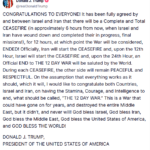
The remarks, which came as global leaders scrambled to respond to a tenuous ceasefire in the Middle East, underscore growing international frustration with piecemeal approaches to long-term crises. This isn’t the first time Sánchez has positioned Spain as a vocal critic of unequal burden-sharing in conflict resolution, but the gravity of the ongoing Middle Eastern conflict makes his comments especially relevant.
A Crisis of Accountability: What Sparked Sánchez’s Commentary
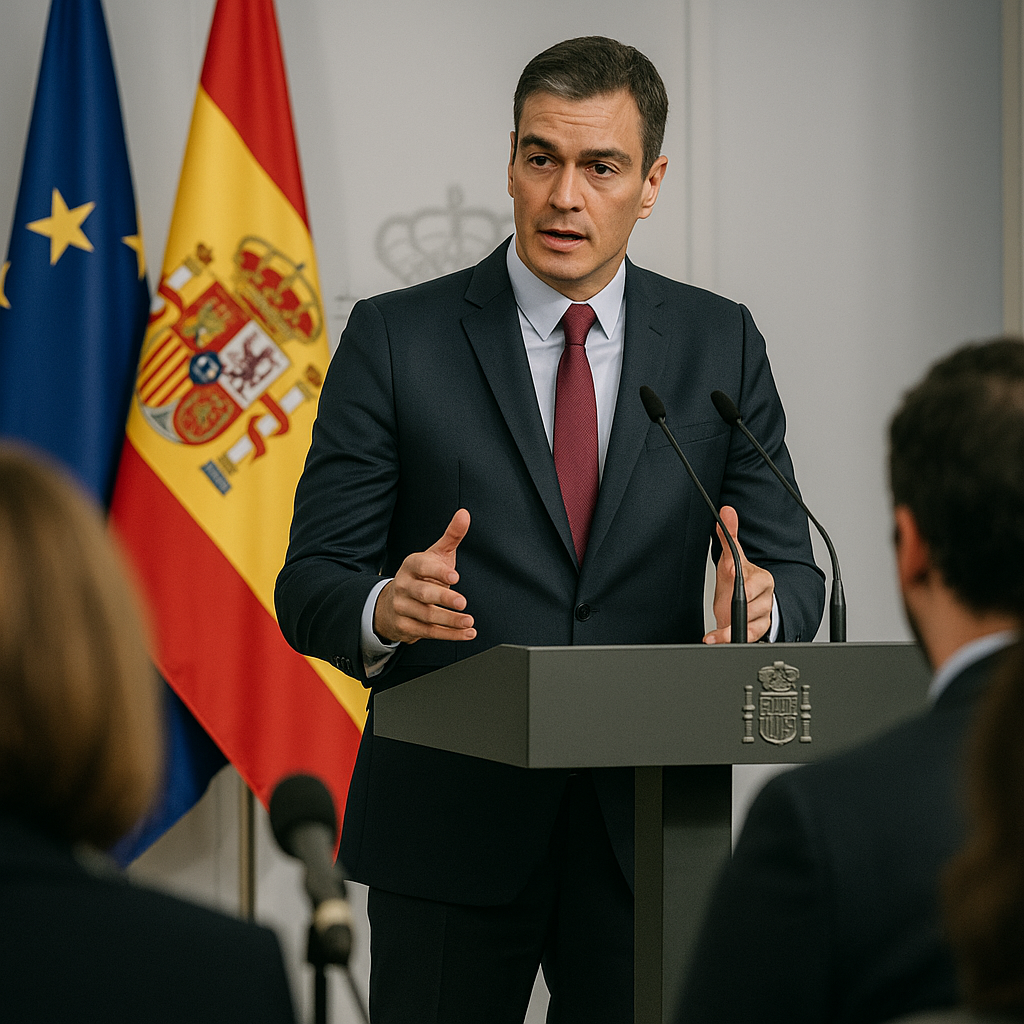
The backdrop to Sánchez’s comments lies in the recent ceasefire agreement in the Middle East, brokered after weeks of escalating violence that many experts feared could spiral into a protracted conflict. While details of the agreement are still unfolding, its fragile nature prompted international leaders to speak out about what they see as deeply ingrained structural issues in global diplomacy. According to a report from CNBC, Sánchez made his remarks during a press briefing in Madrid, where he criticized unilateral actions that exacerbate international crises. Without naming Trump directly, he argued against celebrating attempts to resolve tensions that were arguably ignited by those same actors.
“We cannot applaud those who set the world on fire just because they then show up with a bucket of water,” Sánchez said. Observers have noted that this could be interpreted as a rebuke of Trump-era policies in the Middle East, which included heightened sanctions on Iran and a controversial withdrawal of the United States from the Joint Comprehensive Plan of Action (JCPOA), often called the Iran nuclear deal.
The ceasefire, while welcomed, has been criticized by several analysts as a short-term band-aid rather than a full-fledged solution to the region’s instability. “It’s a cycle we see repeatedly—short-term fixes without addressing the structural drivers of conflict,” said Dr. Lara Mendoza, a geopolitical strategist based in Brussels. “What leaders like Sánchez are advocating for is a deeper accountability framework, particularly from nations with an outsized role in shaping these crises.”
Diplomatic Disconnect: Europe’s Growing Frustration
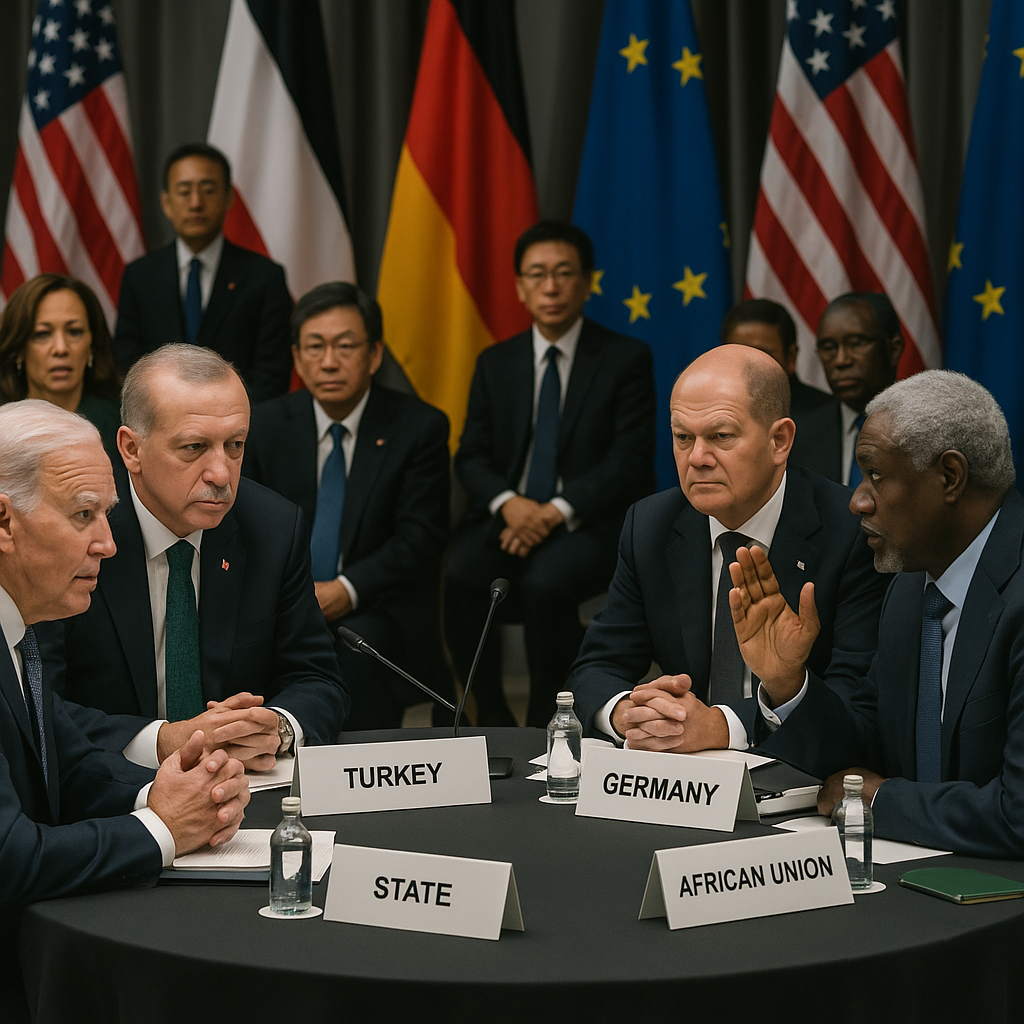
Spain’s Prime Minister is far from alone in voicing concerns. Across the European Union, there is a growing consensus that global institutions need to do more to hold major powers accountable for their actions in destabilized regions. European leaders, including Sánchez, have argued for reforms that might bolster international cooperation and reduce unilateral decision-making by powerful nations.
Trump’s “America First” foreign policy often drew criticism from European allies, who felt sidelined in key decisions. For example, when the U.S. exited the JCPOA in 2018—a multilateral agreement struck after painstaking negotiations—European signatories pledged to uphold the deal despite diminishing prospects for its survival. While Trump defended his decision as necessary to counter Iran’s actions in the Middle East, critics accused the U.S. of abandoning a diplomatic process without offering a coherent alternative.
“The ripple effects of such actions are not contained to one region,” noted Amara Patel, a lecturer in international relations at the London School of Economics. “When a power like the United States undermines agreements that other nations worked hard to build, it erodes trust and makes collective diplomacy much harder.”
Even now, with new leadership in the U.S., mending these fractures continues to be a challenge. While the Biden administration has attempted to revive multilateral cooperation, the shadow of unilateralism still looms large in transatlantic relations. Analysts have suggested that Sánchez’s comments are reflective of this lingering unease.
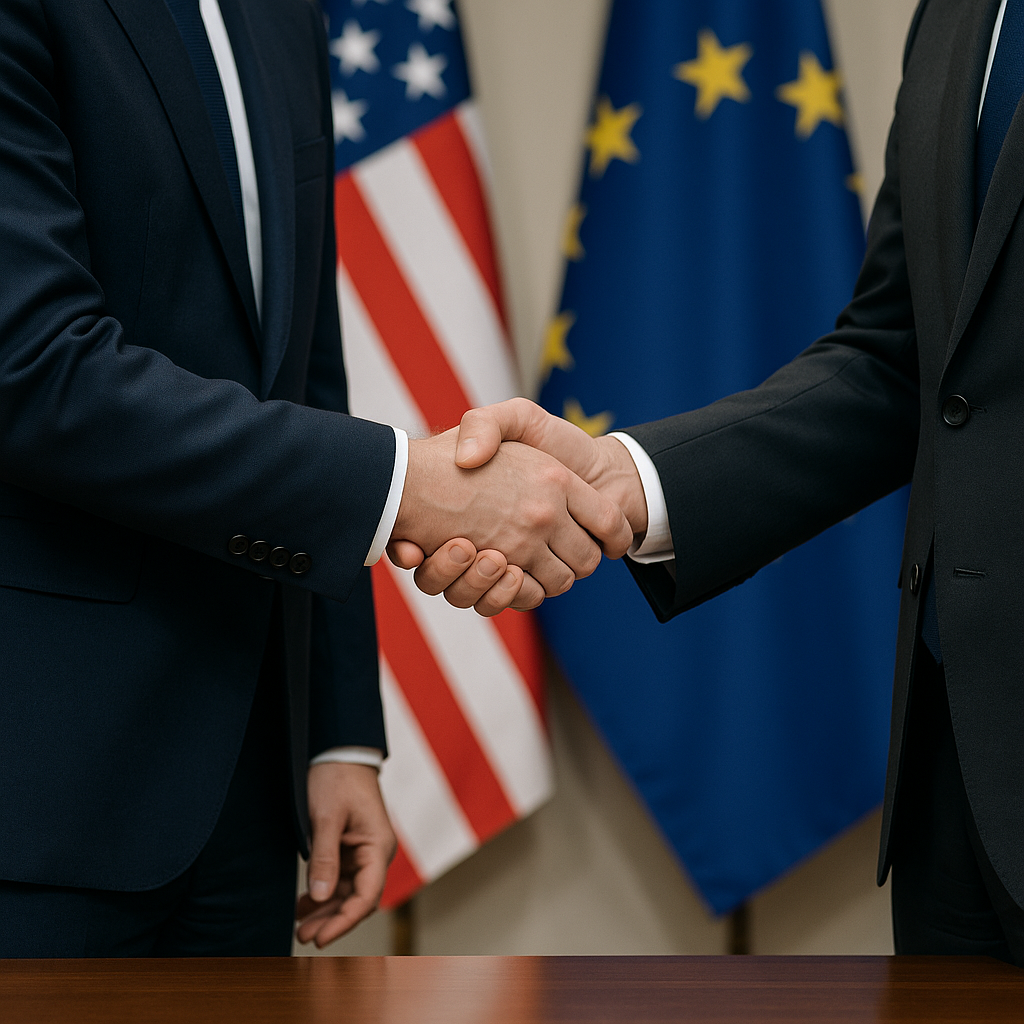
Middle Eastern Ceasefire: Fragile Hope or Short-Term Solution?
The ceasefire agreement has brought a moment of relief to a region that has seen far too few. But skepticism abounds about its longevity. Critics argue that without addressing the underlying power imbalances and competition for influence in the region, ceasefires will remain temporary fixes in a recurring cycle of violence.
Organizations like the United Nations have pressed for a more robust, multilateral response. “There’s a need for all parties to the conflict to not only adhere to ceasefires but to engage in substantive talks to address the root causes of war,” UN Secretary-General António Guterres said in a recent speech. European nations, too, have signaled their willingness to contribute to these talks, but they have also been firm in asking for accountability from larger powers, including the United States, in refraining from unilateral actions.
Sánchez’s metaphor of bringing a bucket of water to a fire captures what many see as the ironic juxtaposition of escalating tensions, only to later claim credit for resolving them. “If global powers like the U.S. want to lead in conflict resolution, they need to also accept their share of responsibility for prevention,” observed Dr. Mendoza.
What Comes Next?
As the dust settles, attention is shifting to what meaningful steps global leaders can take to prevent further escalation. For Europe, this includes ongoing efforts to stabilize the JCPOA and to use its diplomatic leverage to encourage long-term peace initiatives. For the United States, one question will be whether it can rebuild its reputation as a consistent and reliable partner in multilateral diplomacy.
However, the challenges are immense. Geopolitical analysts warn that as climate changes exacerbate resource scarcity and as technologies revolutionize the nature of warfare, new triggers for conflict may arise as fast as the old ones are resolved. Sánchez’s sharp criticism may reflect broader European frustration, but it is also a call to action for global leaders to take a more measured, cooperative approach to diplomacy.
For citizens worldwide, the hope lies in sustained global attention to these pressing issues. “What we can’t afford,” said Dr. Patel, “is for discussions like these to fizzle out once the immediate crisis is averted.”
Whether Sánchez’s metaphor will spur real policy change remains to be seen, but his bluntness has at least brought the issue of accountability and sustainability in global diplomacy squarely into the spotlight.