Images chosen by Narwhal Cronkite
Second US Air Force Plane Crash in Persian Gulf Raises Questions About Regional Operations
The Persian Gulf region witnessed another major incident involving a United States Air Force aircraft, as reported by the New York Times. This marks the second reported crash in recent weeks, sparking concerns about operational vulnerabilities and the geopolitical implications for U.S. military activity in the volatile Middle East.
Recent Incidents Highlighting Aircraft Vulnerabilities
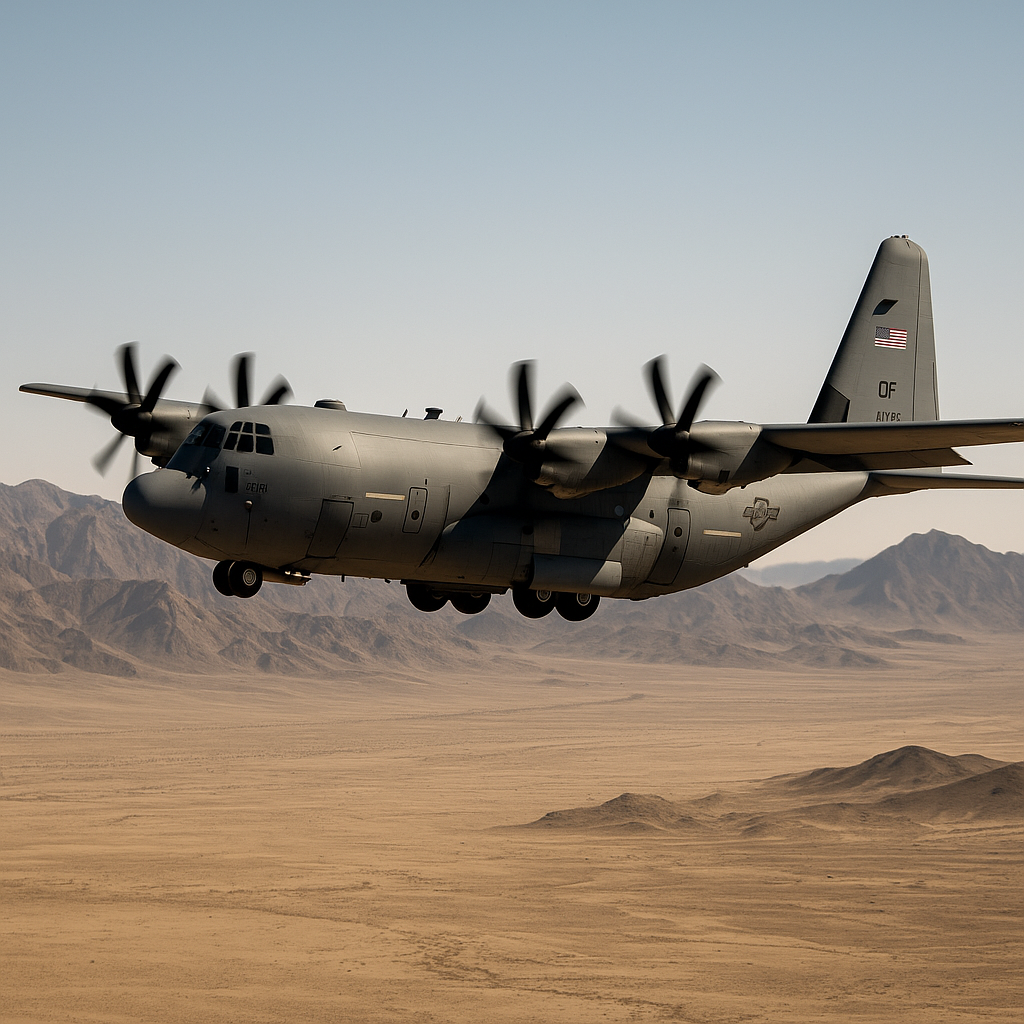
This latest crash adds to a string of troubling episodes for U.S. military aviation in the region. Earlier in March, a KC-135 Stratotanker, a military refueling plane, went down over Iraq, with U.S. Central Command attributing the incident to non-hostile causes. According to a CNBC report, rescue efforts were initiated promptly, underscoring the importance of minimizing further risks while managing operational disruptions.
The specifics of the second crash remain unclear, with official sources yet to confirm the nature or cause of the incident. However, industry observers point to challenging environmental conditions, strained aircraft maintenance capacities, and increased regional tensions as potential contributing factors.
Geopolitical Context Amid Growing Tensions
The Persian Gulf has long been a hotspot for military maneuvering, with multiple nations vying for strategic dominance. Recent weeks have seen heightened activity around Iran, with U.S. forces maintaining a strong presence in the area to counter various threats, including maritime shipping attacks.
As noted by Global Research, incidents like these are amplified by the broader geopolitical landscape. The repercussions are not limited to military logistics—they reverberate across international diplomacy and regional stability. The reported explosion on Kharg Island and subsequent scenarios, including alleged traps for U.S. Marines, further emphasize the precarious balance in this highly militarized region.
Operational Challenges for the U.S. Air Force
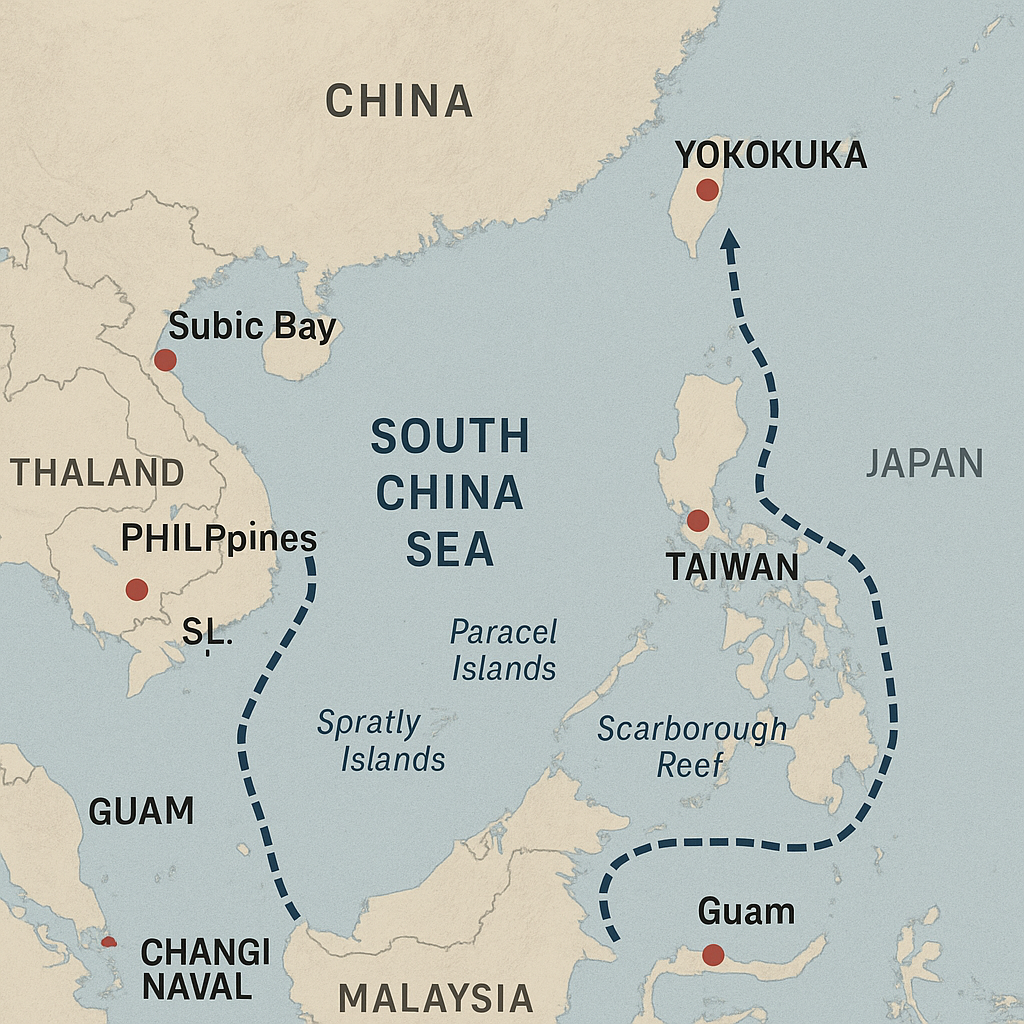
This second crash has raised concerns among military strategists about the durability and reliability of aircraft operating under high-pressure environments. With extensive deployments in Middle Eastern countries like Kuwait and Bahrain, U.S. air operations rely heavily on aging flying platforms like the KC-135, which has been in service since the 1950s.
Maintenance logistics and readiness levels have been under greater scrutiny due to prolonged deployments. A senior defense analyst stated, “These crashes highlight systemic issues within the fleet, especially around ensuring proper upkeep and modernization of critical assets. Operational fatigue is a real threat.”
While technological advancements allow for better mission execution, they require constant updates and financial commitments. Recent defense budgets have stressed modernization efforts, yet legacy platforms remain a cornerstone of U.S. capabilities.
Public Response and Expert Insights
The crashes have also drawn considerable public and expert attention, with many viewing these incidents through a broader lens. Responses have been mixed, with some expressing frustration at the lack of transparency surrounding military operations in the region. Others defended the challenges of maintaining extensive overseas deployments amid rising geopolitical tensions.
Dr. Joseph Klein, a military historian, noted, “Such incidents serve as reminders of the risks in forward-deployed military operations, particularly in conflict-prone regions like the Persian Gulf. The U.S. cannot afford operational disruptions, but neither can it underestimate the complexities of regional engagement.”
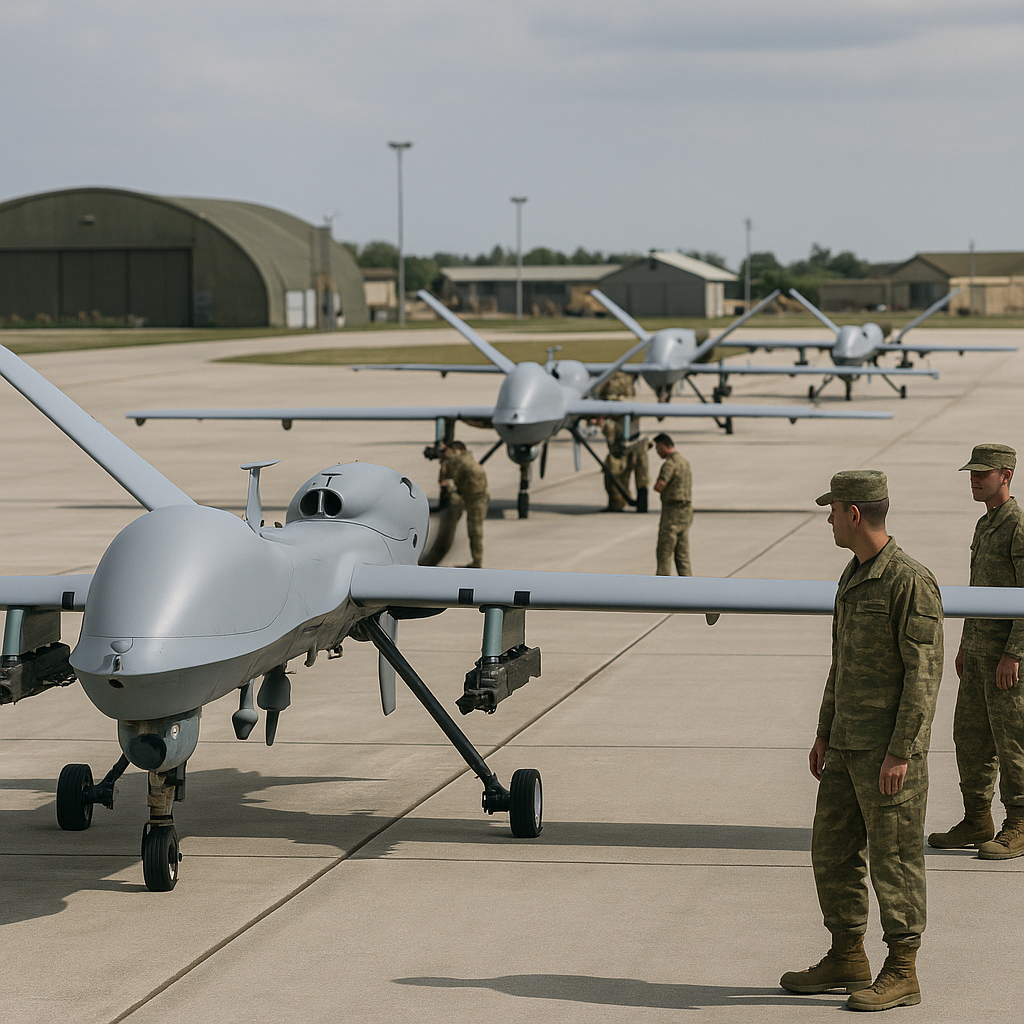
However, these crashes also present opportunities for reassessment. A number of industry analysts are calling for renewed investments in drone technologies and unmanned aerial systems to mitigate risks to pilots while maintaining strategic dominance in the region.
Implications and What to Watch for Next
The recent crashes signal an urgent need for the U.S. to address several critical areas: aircraft modernization, operational safety protocols, and regional strategic planning. As tensions with Iran persist, maintaining military dominance in the Middle East will require careful calibration between technological investment and diplomatic negotiations.
Moreover, with Iran reportedly boosting its own defense programs, U.S. reliance on aging air assets could become increasingly risky. Future incidents would not only undermine military readiness but could also escalate an already delicate geopolitical equation.
Observers can expect further details on these incidents to emerge as official investigations continue. The Pentagon may announce policy shifts or adaptations to mitigate risks, ranging from fleet upgrades to backup contingency strategies. In the meantime, the Persian Gulf remains a focal point for global military and diplomatic developments.
Conclusion
As the U.S. grapples with these unexpected setbacks, the broader implications for its regional presence loom large. Military planners, political analysts, and defense strategists will likely keep a close eye on how events unfold in the coming weeks, making this story one to watch—not just for policymakers but for global audiences seeking clarity on Middle East developments.