Images chosen by Narwhal Cronkite
The Sound Design of Dune: How the Ornithopter’s Wings Were Born
The cinematic world of Denis Villeneuve’s Dune transports viewers to the distant, desolate deserts of Arrakis with its striking visuals and haunting soundscapes. Among the many triumphs of the film’s sound design, one piece stands out: the distinctive sound of the Ornithopter, the dragonfly-like aircraft. But how did sound designers bring this creation to life? The process involved the careful marriage of physics, biology, and innovative recording techniques that pushed the boundaries of traditional sound engineering.
Crafting the World Through Sound
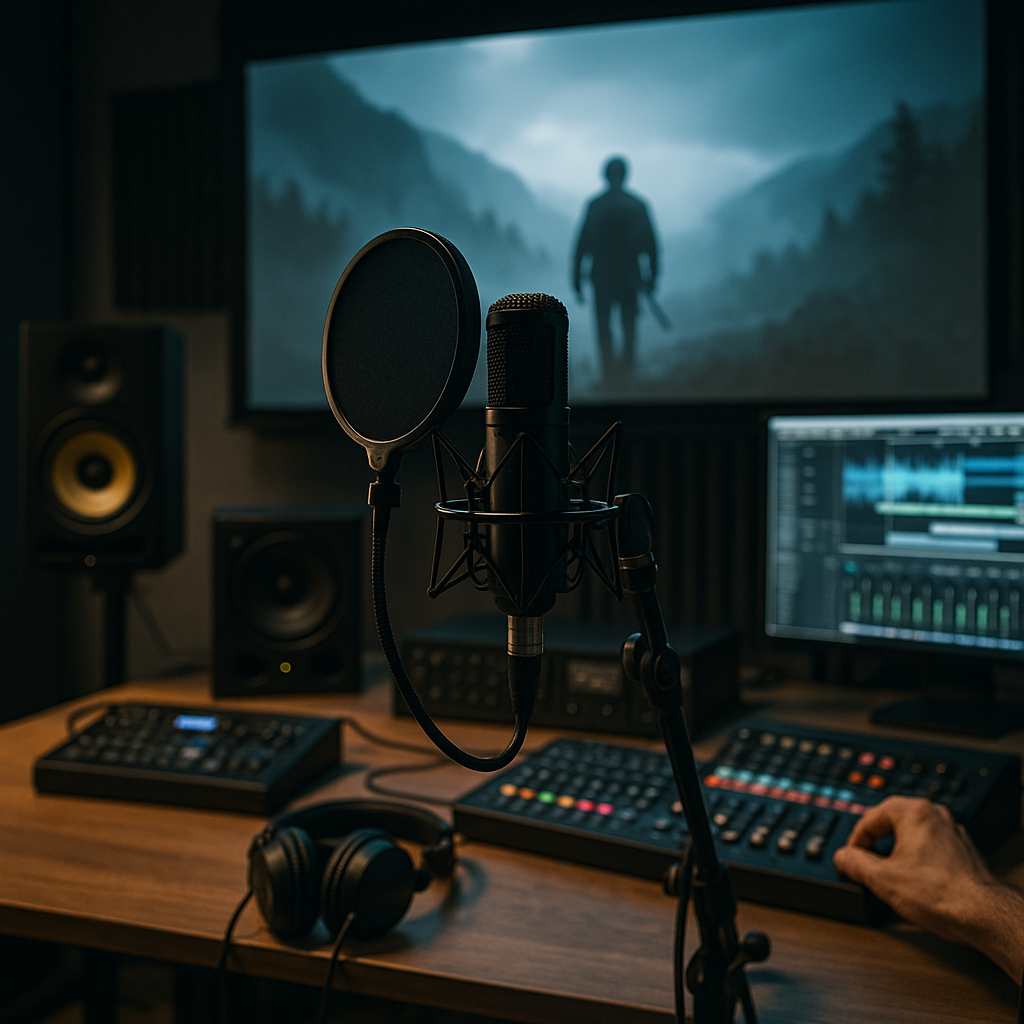
Creating the soundscape for a science fiction saga like Dune presented an immense challenge. The responsibility fell to a seasoned team of sound designers, led by the Oscar-winning sound editor Mark Mangini and his collaborator Theo Green. Their goal was not just to create noise but to convey a deep sense of immersion. “We didn’t just want the Ornithopter to sound functional,” Mangini explained in an interview. “It needed to communicate its aerodynamic and almost insect-like nature.”
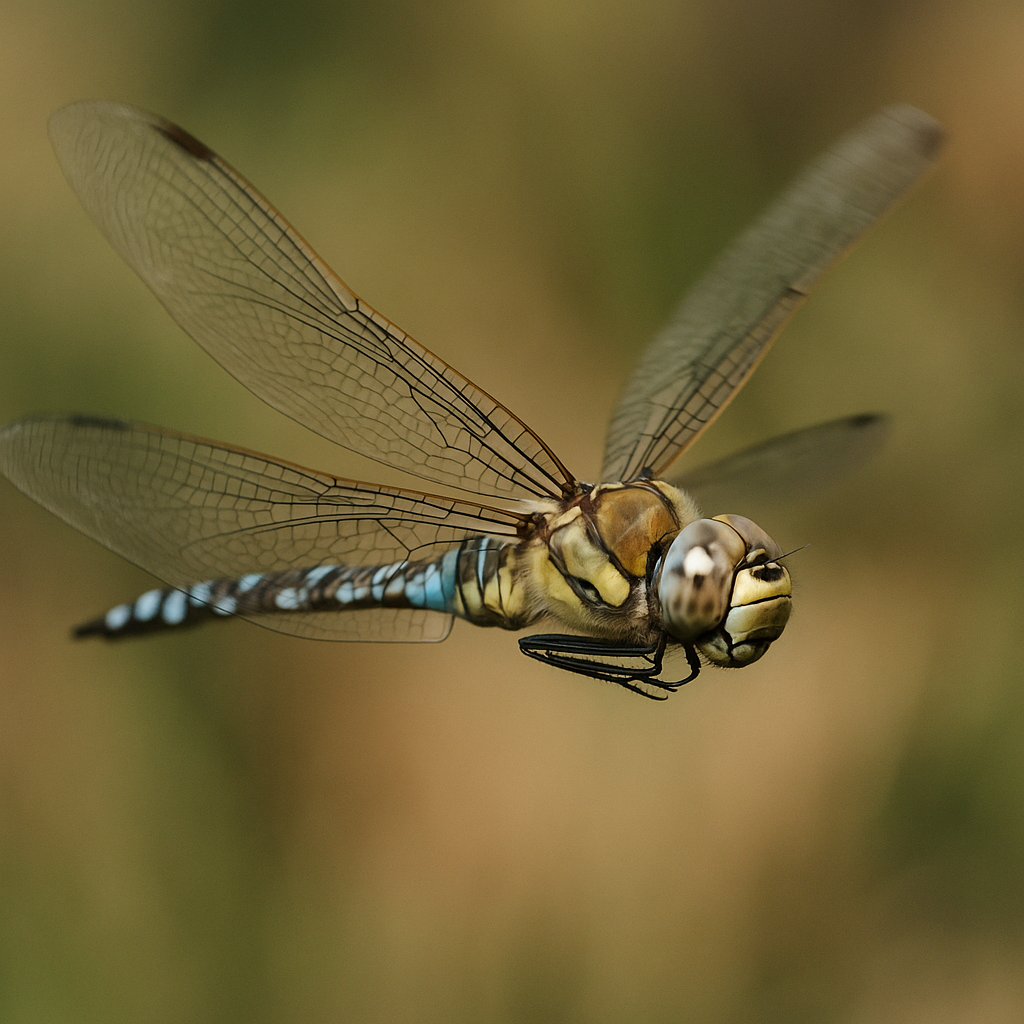
The Ornithopter’s wings are a pivotal element of its characterization, and their unique audio required an approach grounded in both real-world biological inspiration and creative interpretation. Mangini and his team began their work by studying the flight mechanics of real insects, particularly dragonflies. By observing how dragonflies flap their wings in rhythmic, overlapping patterns, the team drew parallels between mechanical engineering and nature.
Unlike traditional jet engines or helicopters, which rely on straightforward propulsion systems, the Ornithopter was envisioned as a seamless blend of science fiction fantasy and terrestrial biology. This concept pushed the sound designers to craft an audio signature that not only felt plausible but evoked wonder among viewers.
Sourcing Inspiration from Nature
The team’s primary focus was authenticity. By recording the wings of real insects in highly controlled environments, they captured the subtlest phasing, resonance, and vibratory qualities. Specialized high-fidelity microphones enabled the team to isolate individual sonic frequencies produced by different parts of an insect’s wing during flight.
These biological textures formed the audio foundation, but raw recordings were only the first step. “We didn’t just replicate nature; we exaggerated it,” said Green in an interview with Variety. Layers of sound effects were stacked upon the natural recordings to give the wings a sense of scale and grandeur. For instance, low-frequency oscillations from industrial fans and high-pitched mechanical fluttering—created by manipulating a violin bow drawn across metal plates—were blended to form the Ornithopter’s signature sound.
It was this combination of field recordings, Foley work, and digital processing that brought Arrakis to life. Hearing the Ornithopter in Dune, one can almost feel its immense power and lifelike movement. The sound is as much a character as the Ornithopter itself, heightening the audience’s immersion in the story.
The Role of Technology in Modern Sound Design
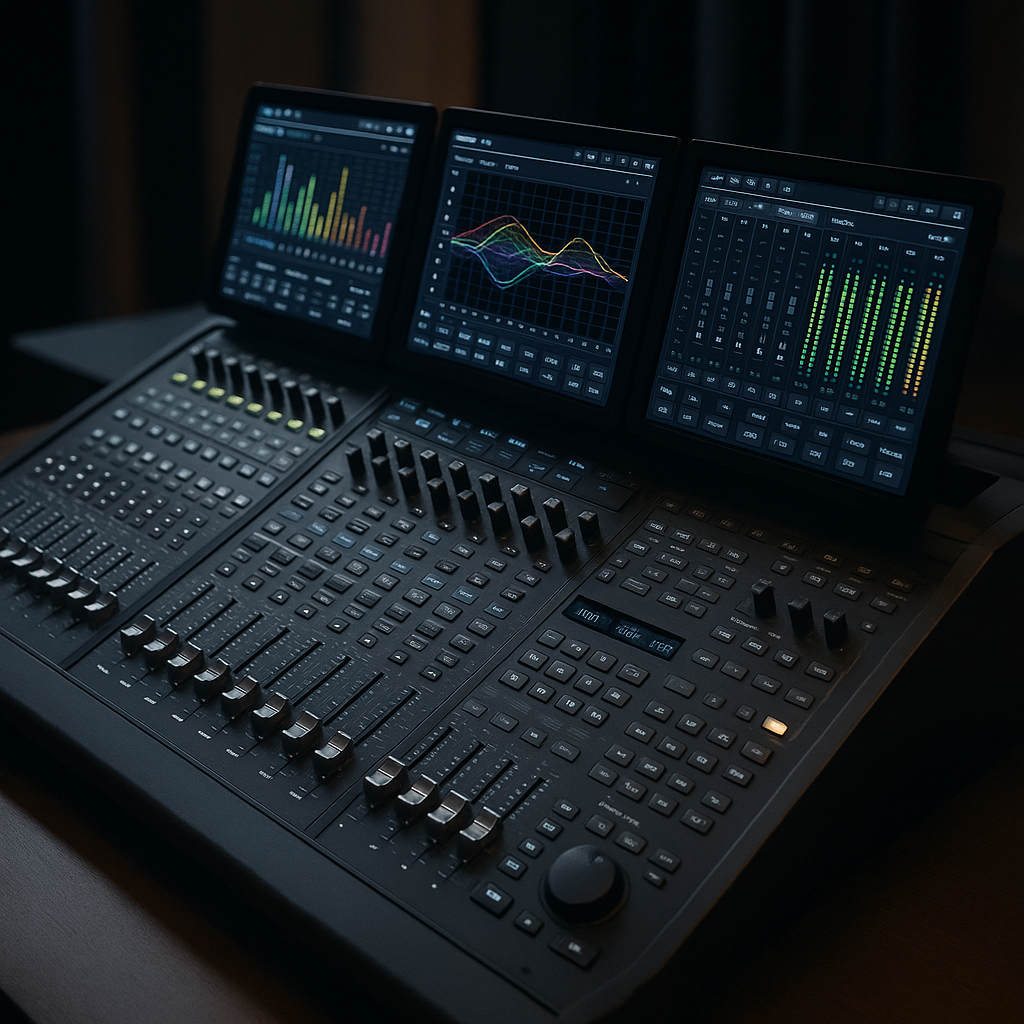
While nature offered the sonic blueprint, modern technology was integral to crafting the final result. From sophisticated editing software to advanced spatial audio techniques, the sound team explored new tools to create an otherworldly auditory experience.
One of the breakthrough technologies employed was ambisonics, a method of recording and replaying sound in a fully three-dimensional field. This allowed the Ornithopter’s movements to feel dynamic and spatially accurate, ensuring that viewers experienced its flight from all angles in the same way they would in real life. “Our aim was to make the audience feel like they were inside the Ornithopter,” Mangini explained. “As it tilts, banks, or dives, the sound needed to mirror those dynamics.”
The audio production also benefitted from high-fidelity digital audio libraries. However, just as important was the improvisational process of creating new, unique sounds. Analog experimentation, like running textured objects across a spinning turntable to generate wing-like pulses, helped inject organic unpredictability into the design. Much like Villeneuve’s commitment to filming on-location whenever possible, the sound team’s use of real, tactile elements grounded the Ornithopter in believability.
What Makes the Ornithopter Sound Design Unique?
If sound effects were simply functional, their charm would quickly wear off. What makes the Ornithopter stand out is its layered complexity. The rhythmic vibration of the wings creates an inherent sense of urgency, indicating that this machine is on the edge of control. At the same time, its mechanical hums convey power and stability, merging the exotic and the mechanical into a singular audio identity.
Additionally, the Ornithopter’s sound functions on a symbolic level. The poetic melding of biological inspiration with cutting-edge technology mirrors the themes of Dune itself, where humans, nature, and machines coexist in an uneasy yet essential harmony. “The Ornithopter isn’t just a vehicle—its sound tells a story of adaptation and survival,” noted one film analyst.
Importantly, the design also underscores a growing trend in Hollywood to elevate sound design alongside cinematography and storytelling. Industry observers have hailed Dune as a milestone in this regard, with many suggesting the Ornithopter’s sonic presence could become as iconic as Star Wars’ TIE fighters or the subtle hum of Blade Runner’s Spinner vehicles.
Implications for the Future of Sci-Fi Sound Design
As sound design becomes an increasingly critical aspect of filmmaking, the lessons drawn from Dune resonate across the industry. With AI-driven tools, modular synthesizers, and advanced Foley techniques now more accessible than ever, the opportunity for innovation has never been greater.
Looking ahead, what can audiences expect from upcoming sci-fi projects? In a rapidly changing entertainment landscape dominated by streaming platforms, studios may place even greater emphasis on immersive, multidimensional soundscapes to create a premium viewing experience. The continued evolution of spatial audio technology, such as Dolby Atmos, further promises to redefine the standards by which films like Dune are judged.
Ultimately, Villeneuve’s vision for Dune sets a high bar not only for how films look but for how they sound. The Ornithopter’s wings are a testament to the power of collaboration between technology, artistry, and biology. Viewers may soon demand nothing less than such brilliance in their cinematic escapism.
Conclusion
The Ornithopter wings exemplify what is possible when storytelling transcends medium constraints. By intertwining biological inspiration, cutting-edge technology, and artistic interpretation, Denis Villeneuve’s Dune demonstrates that sound is much more than a background element—it is an essential character within the narrative. As audiences eagerly await the next chapter in the Dune saga, it’s worth wondering what new frontiers sound design will explore.