Images chosen by Narwhal Cronkite
Steve Wozniak’s Take on AI: Disappointed, Yet Intriguing Insights
When Steve Wozniak, the pioneering co-founder of Apple, speaks on technology, ears across the industry tend to perk up. But Wozniak’s recent remarks on artificial intelligence (AI) have portrayed a strikingly skeptical tone. Speaking at an industry event, Wozniak stated that he’s “disappointed a lot” by what AI has become, admitting that he rarely even uses the technology himself. For an industry that often idolizes AI’s transformative potential, Wozniak’s opinions offer a thoughtful counterweight to the growing hype.
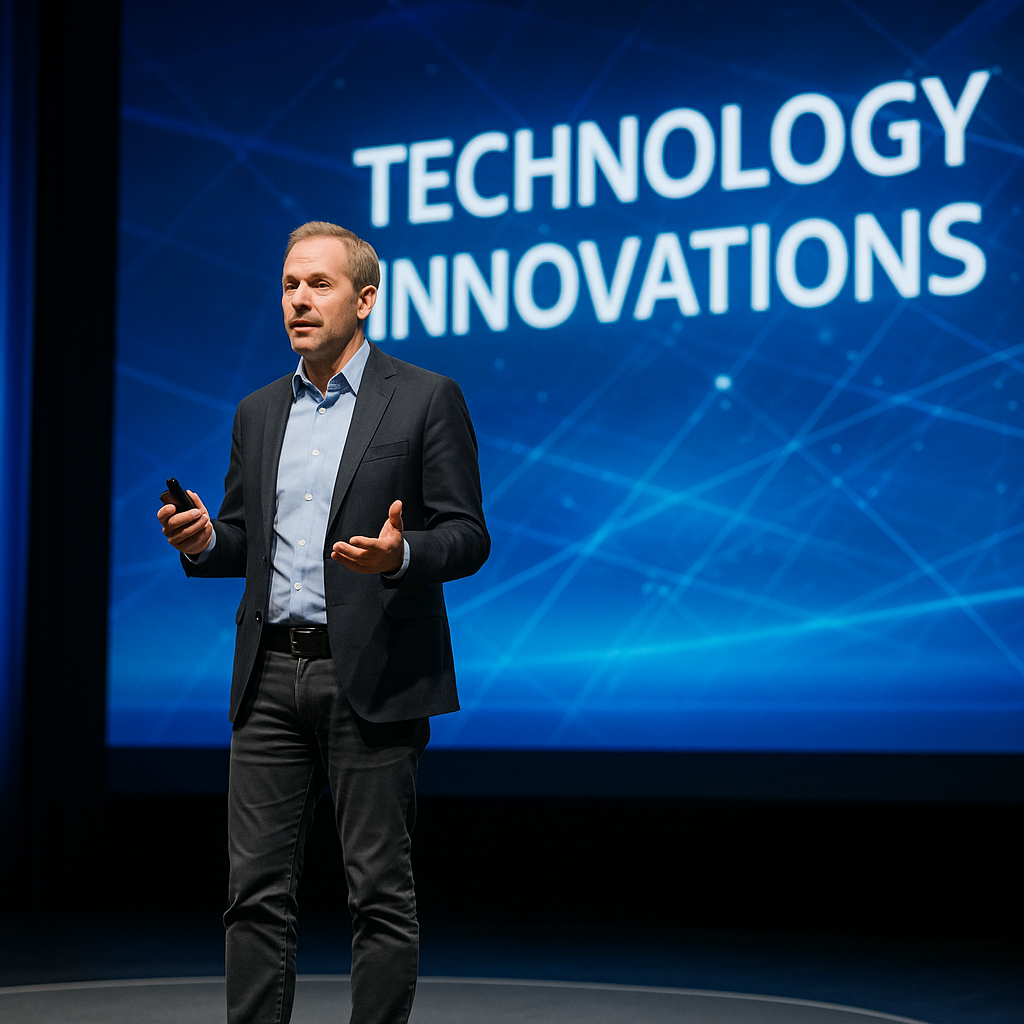
Wozniak’s Critique: Why AI Leaves Him Underwhelmed
Wozniak’s disappointment stems from what he described as the overblown promises of AI’s potential versus the reality of its tangible impact. In an era where chatbots mimic human conversations and algorithms generate captivating art, one might assume a tech visionary like Wozniak would lead the AI bandwagon. However, he explained, much of AI’s output feels superficial or less meaningful to him. “AI, as it exists today, is more of a gimmick than something I see enriching our lives in truly profound ways,” he reportedly told TechSpot.
AI technologies such as ChatGPT, DALL-E, and others have captured the imagination of millions worldwide. Yet, according to Wozniak, much of this progress remains flawed, particularly when it comes to ethics and authenticity. “It’s becoming harder to distinguish true human creativity from machine-generated imitations,” he said, pointing to the risks of disinformation and how AI tools can blur lines between fact and fiction.
His critique is not without merit. For instance, the proliferation of deepfake technologies has raised significant ethical concerns in industries ranging from entertainment to journalism. Likewise, automated systems that mirror biases in their datasets remain problematic in applications like hiring and policing.
Alignment or Dissonance? AI Enthusiasts React
Wozniak’s reservations come amid a tech landscape where AI is omnipresent: recommended videos, predictive searches, self-driving cars, and advanced surveillance systems. His remarks, while a sobering contrast to the upbeat rhetoric of tech CEOs and evangelists, still resonate with critics who believe current AI systems are more style than substance.
Many AI researchers acknowledge limitations but emphasize their ongoing progress. “AI is advancing rapidly,” notes Karen Hopkins, a machine learning analyst. “What it lacks in emotional depth today could soon evolve as neural algorithms improve.” Similarly, tech-centric outlets such as Wired and VentureBeat have highlighted how scholars are addressing AI’s imperfections, from eradicating biases to refining accuracy in autonomous machines.
Meanwhile, tech enthusiasts argue that Wozniak’s views reflect a cautious perspective, one that reminds society to remain critical of AI’s directions. “We cannot rush headlong into AI adoption without considering its systemic effects,” commented one analyst, urging balance between innovation and regulation.
Why Wozniak Rarely Uses AI
Turning personal, Wozniak explained why AI factors sparingly into his everyday life. For an individual who once helped engineer cutting-edge personal computers, the reliance on fully automated systems appears incompatible with his ethos. “I’ve always valued computing power as a means to augment human creativity, not replace it entirely,” he said. AI, to him, leans too much toward replacement rather than coexistence.
He also pointed to accessibility and reliability as practical concerns. “These systems make mistakes,” Wozniak remarked, underscoring his preference for tools with complete transparency over their decision-making processes—something AI often cannot provide. His cautious approach also reflects an awareness of AI’s potential for unintended consequences, such as errors or bias when models operate in real-world scenarios.

What It Means for AI’s Future
Wozniak’s skepticism serves as a reminder of the duality in AI’s narrative: its promise to transform industries and lives versus its still-developing maturity and ethical pitfalls. Industry observers agree that addressing these concerns will be paramount as AI integrates further into healthcare, education, and public services.
From an ethical standpoint, Wozniak’s points align with broader dialogue about AI guidelines. Global efforts, including the European Union’s AI Act and private sector calls for frameworks like OpenAI’s emphasis on responsible development, signal growing awareness of the technology’s possible consequences.
But what does this mean for businesses and technologists? Many experts believe AI’s potential lies in striking closer collaborations with human input. Combining human creativity with machine efficiency has already unlocked breakthroughs, like the accelerated vaccine designs powered by AI-guided programs. Such examples highlight how collaboration, not outright replacement, might form the backbone of future AI ecosystems.
Where Do We Go From Here?
While his critique may seem stark, Steve Wozniak’s insights offer significant implications for AI advocates and developers charting the next phase of innovation. First and foremost, it reinforces the need for transparency and accountability in the systems we design. Secondly, it calls into question whether AI is progressing in line with cultural and societal values.
For now, analysts predict AI development will continue at breakneck speed, but Wozniak’s voice serves as a prudent reminder to weigh progress against its broader human impact. As debates surrounding AI’s future intensify, technology leaders and policymakers alike will need to contend with hard questions: Is AI solving meaningful problems? Are we approaching ethical challenges with care and thoughtfulness? And ultimately, how can we ensure that this technology serves humanity, rather than alienates it?
The answers, perhaps, are still evolving.