Images chosen by Narwhal Cronkite
Strongest Evidence Yet That Vaping Likely Causes Cancer
It was once considered a safer alternative to smoking, a modern solution to a decades-old health crisis. But new research suggests that vaping, particularly nicotine-based products, could carry significant cancer risks. A comprehensive review published recently has found compelling evidence linking e-cigarettes to the development of oral and lung cancer. This revelation comes as a wake-up call for policymakers, health advocates, and users alike.
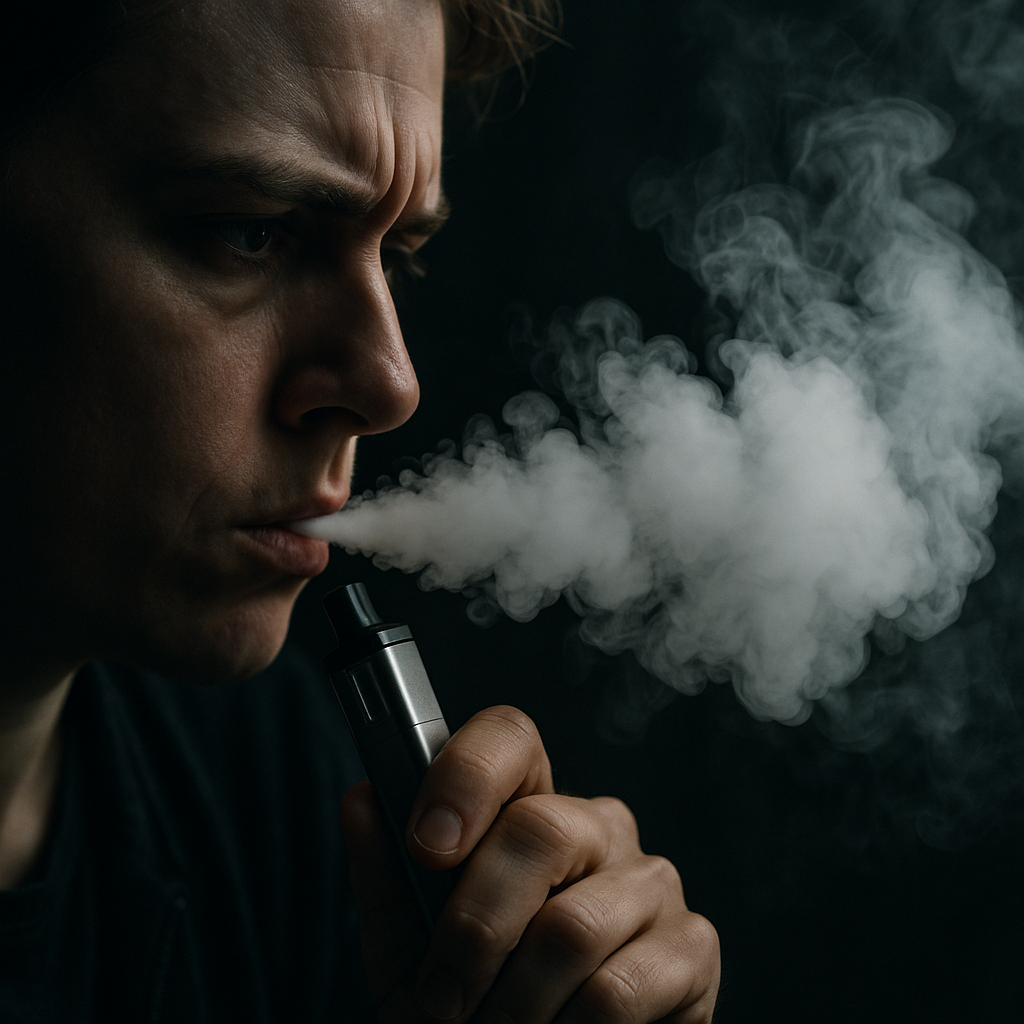
From Promise to Peril?
Vaping devices, or e-cigarettes, entered the market with the promise of being a healthier alternative to traditional smoking. By delivering a nicotine hit without combusting tobacco, these devices were marketed as a less harmful way for smokers to satisfy their cravings. However, the absence of long-term studies left scientists unsure about the potential health impacts of vaping itself, independent of its link to traditional smoking.
In the past, most research around vaping had focused on its role as a possible “gateway” to smoking. Studies repeatedly showed that individuals who vaped were more likely to pick up traditional cigarettes later. Rarely, however, did these studies directly address whether vaping alone could cause cancer. That is why the latest findings, published in an exhaustive review, signal a significant turning point.
According to the researchers leading this new effort, including experts cited in The Conversation, vape aerosols contain a cocktail of chemicals known to cause harm at the cellular level. The effects are becoming increasingly difficult to dismiss.
A Closer Look at the Evidence
The reviewed study involved a deep dive into the biological markers and molecular changes linked to vaping. By analyzing research papers between 2017 and mid-2025, researchers identified key findings that painted a troubling picture.
E-cigarette vapor—a mixture of nicotine, vaporized metals from heating elements, and complex organic compounds—was found to have characteristics closely associated with carcinogens as defined by the World Health Organization. For example, biomarkers from vapers’ lung and mouth tissues displayed inflammation, oxidative stress, and DNA mutations—changes that often precede cancer development.
Chemical absorption testing affirmed the worst fears of health experts. Blood and urine samples from vapers contained carcinogenic metals and nicotine byproducts, further proving that these substances aren’t simply expelled when exhaling vapor but are absorbed into the body. Research conducted on mouse models also demonstrated a direct connection between vape aerosols and the onset of lung cancer in test subjects.

The Shift in Scientific Consensus
Historically, the lack of direct evidence left vaping advocates with ample room to argue that e-cigarettes were substantially safer than traditional smoking. However, starting in 2017, a growing body of peer-reviewed studies began identifying carcinogenic effects stemming specifically from vaping—not merely from tobacco use.
Between 2017 and 2019, most scientific papers concluded that there “wasn’t enough evidence” to draw definitive lines between vaping and cancer. But this recent review demonstrates a strong shift in this consensus, fueled by increasingly alarming findings about how vapes interact with human tissue at the molecular level.
While the study’s authors, including researchers featured in ABC News, acknowledge that vaping likely carries lower risks compared to long-term smoking, they caution against interpreting the findings as a green light for e-cigarettes. “The accumulation of evidence leaves little doubt that e-cigarettes are not harmless,” they noted.
Policy Implications and Industry Response
The findings could force a reevaluation of how countries regulate vaping products. Health officials in Australia, for example, have repeatedly targeted e-cigarettes through strengthened enforcement of nicotine bans and restrictions on flavored vaping liquids. Yet, some experts argue that without comprehensive federal policies, including taxation and marketing restrictions, the fight against vaping’s health risks remains incomplete.
“We are facing the early warnings of potential public health crises,” said an analyst familiar with emerging tobacco policies. “History reminds us what happened with cigarettes: we spent decades debating their safety before recognizing the inevitable toll on human life. For vaping, the window for preventative action is much smaller.”
The vaping industry, on the other hand, frequently challenges such research, accusing it of bias or cherry-picking data. Vape manufacturers argue that their products still represent a less damaging option compared to combustible tobacco. However, as the scientific evidence evolves, industry players might find it increasingly hard to defend this narrative.

What Comes Next?
The current landscape of vaping research is both alarming and incomplete. Despite mounting evidence of harm, substantial gaps remain regarding long-term outcomes for users, the demographic breakdown of those most at risk, and potential effects on vulnerable populations like adolescents.
Health agencies and governments worldwide are now tasked with balancing individual freedom with public health priorities. Some nations, like Australia, have already classified e-cigarettes as dangers requiring strict regulation, while others continue to straddle the line by encouraging vaping as a cessation tool for smokers.
On the research front, scientists are calling for longitudinal studies that track vapers over decades to better understand the full spectrum of health outcomes. “We don’t yet know how many cancer cases vaping will lead to,” one researcher remarked. “But the urgency to act today can’t be overstated.”
Conclusion: Weighing the Risks
As the strongest evidence yet links vaping to oral and lung cancer, the public and policymakers face tough questions. Are the risks worth the purported benefits? How can we protect younger generations from potential harm without alienating adult users trying to quit smoking?
These questions may take years to answer definitively, but the warning signs are already flashing. If history is any lesson, failing to act could leave future generations grappling with the consequences of inaction. For now, what’s clear is that vaping—once called a “healthier” alternative—deserves the critical scrutiny that tobacco once faced.