Images chosen by Narwhal Cronkite
Sweden’s Proposed Migrant Deportation Policy: Analysis and Implications
Sweden is adopting a bold stance on immigration control with its latest proposal—a policy allowing the deportation of migrants who fail to follow what authorities define as an “honest living.” This proposed measure has sparked significant discussion globally, prompting questions about its implications for migrants and the broader societal perceptions surrounding immigration policy.
What Is the ‘Honest Living’ Deportation Policy?
According to reporting from CTV News, Sweden aims to enhance tools for immigration enforcement by introducing a controversial new policy. Migrants who are not engaged in legitimate employment, or who may be suspected of participation in criminal activities, could face deportation under this law. Swedish officials have described the rule as part of a broader effort to increase law and order within the country, emphasizing societal integration for non-Swedish residents.
Such a policy follows similar trends across Europe, where governments are increasingly looking to balance social pressures, economic opportunities, and security policies to address migration challenges. As reported by CTV News, this announcement coincides with the Swedish government’s public promises to address criminal activity, which it cites as disproportionately linked to migrant groups. However, these public statements have prompted heated debate over fairness, discrimination, and ethical implications.

Broader Context: Immigration Policy Trends in Europe
Sweden is not alone in proposing stricter immigration policies. Across Europe, nations are revisiting their immigration laws in response to rising social tensions, increases in asylum seekers, and concerns over organized crime. Recently, countries such as Denmark, Italy, and France have implemented stricter vetting processes, as well as expedited deportations for individuals deemed threats to national security.
Analysts note that these measures often respond to shifting political landscapes. “These policies are a tightrope between political accountability and humanitarian principles,” says European migration expert Thomas Hauer. “While governments are under pressure to safeguard public safety, they risk oversimplification by targeting entire migrant communities rather than focusing on specific individuals involved in wrongdoing.”
In Sweden’s case, this newly proposed strategy aligns with a broader political focus on building what leaders are describing as a framework for “social responsibility.” Still, critics argue that legislating concepts such as “honest living” may be excessively vague, leaving space for subjectivity and risking rights violations for legally residing migrants.
The Legal and Ethical Debate
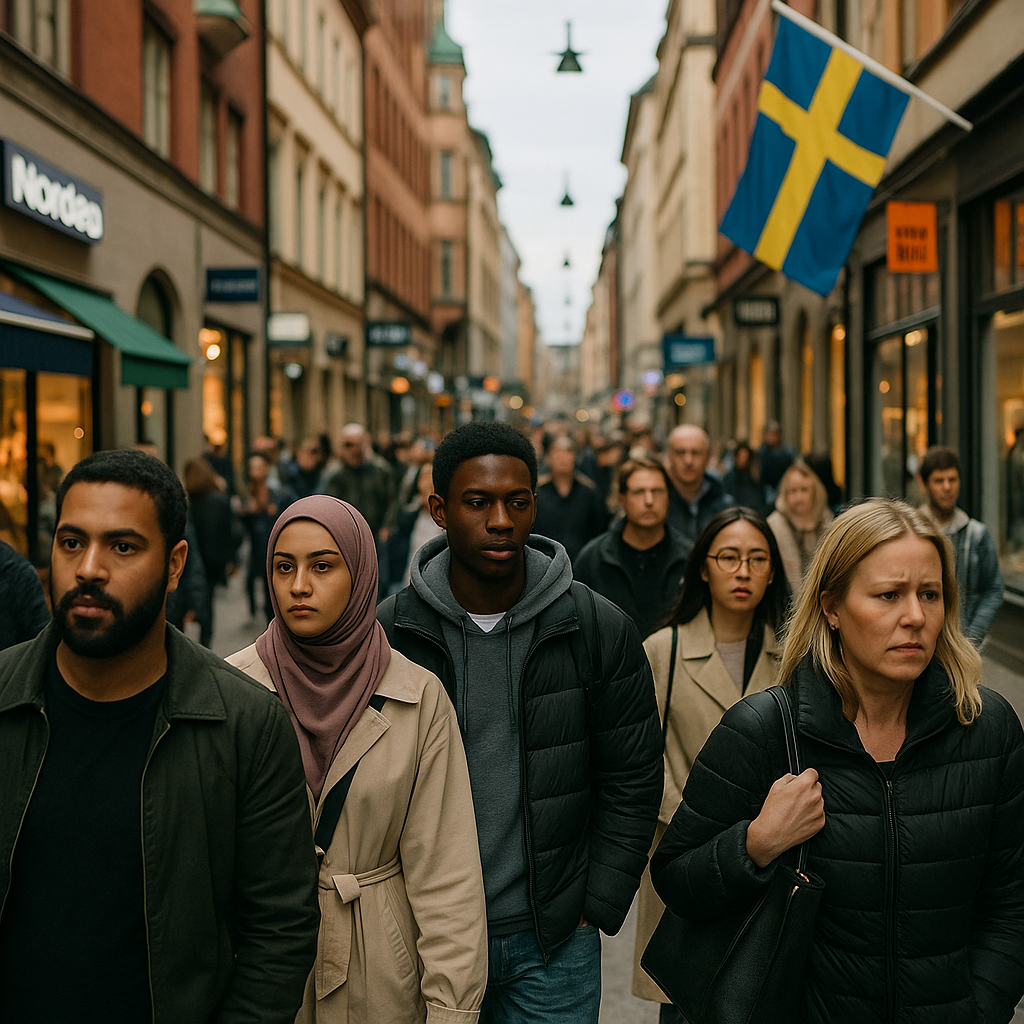
One of the most controversial aspects of the proposed policy is its criteria. What constitutes an “honest living,” and what mechanisms will be set in place to fairly evaluate individual cases? Will it lead to arbitrary deportations based on loosely defined terms? Critics worry the policy may open the door to racial profiling or push an already vulnerable group further into precarity.
Proponents of the policy argue that it addresses gaps in Sweden’s current immigration framework. “We need policies that ensure migrants in Sweden contribute positively to society. Honest work and lawful living are non-negotiable expectations,” said a government spokesperson in remarks reported by Reuters.
At the same time, opposition speakers highlight potential flaws in assumption-driven approaches. “There is a substantial risk that this law could unfairly single out individuals based on stereotypes rather than actual behavior,” noted Sofia Lindgren, a researcher specializing in asylum law.
Legal experts emphasize that implementing such measures without violating international conventions will be a delicate process. Among the key international frameworks Sweden is bound to are the European Convention on Human Rights and its own constitutional commitments to non-discrimination.
Swedish Society Responds
Reactions within Sweden have been divided. On one hand, segments of the population appear supportive of tightened migration laws, especially amid increasing media coverage of violent crime in major cities like Stockholm and Gothenburg. Industry observers point to how public opinion polls increasingly show a correlation between immigration skepticism and security concerns.
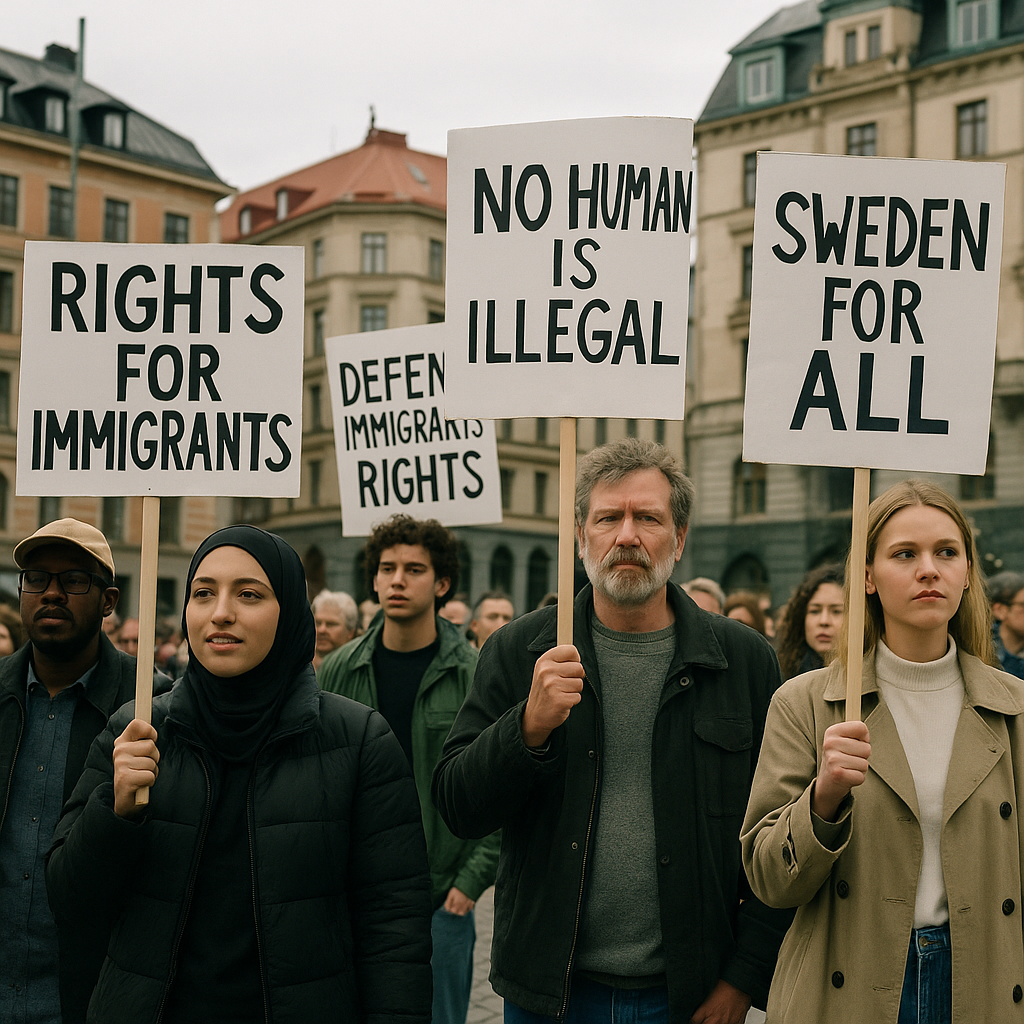
Conversely, human rights organizations and various community leaders have spoken out against the policy. “Policies like these are not just restrictive—they risk unraveling a sense of belonging for migrants who have lived in the country for years,” stated Amira Ali, director of a local immigrant rights advocacy group.
Additionally, sociologists caution against framing migration policies around narratives of cultural conflict. “When platforms lean too heavily on scapegoating, they create an environment of fear rather than fostering integration,” said Henrik Strömberg, a professor of European social dynamics.
What Comes Next?
As Sweden debates this new proposal, the discourse brings attention to a much larger issue: migration governance in the 21st century. How can countries navigate the balance between protecting national security, ensuring economic stability, and upholding international and ethical obligations to those seeking refuge?
Observers will closely watch the Swedish parliament as lawmakers deliberate the details of this policy. It is yet unclear how extensively the proposal will define “honest living” and what safeguards will exist to ensure fair enforcement. If passed, the policy could set new precedents influencing similar legislative shifts across other European nations facing comparable challenges.
For now, attention remains on Sweden’s government to see whether its objective to draft stringent but fair regulations can be realized without compromising the broader commitment to immigrant protection.
Implications and Broader Outlook
Looking ahead, both Sweden and international stakeholders must consider not only the immediate impact on particular migrant groups but also the long-term ramifications on society at large. Striking the right balance will require detailed planning, input from diverse societal representatives, and transparency around enforcement mechanisms.
Importantly, global eyes will continue monitoring Sweden’s ongoing journey in shaping policies to respond to migration challenges. As the world wrestles with the complexities of immigration, Sweden’s approach may influence how nations reconcile security needs with principles of fairness, inclusion, and human rights.