Images chosen by Narwhal Cronkite
Teen Dies Hours After Parents’ Emotional Reunion Following Immigration Detention
Kevin Gonzalez, an 18-year-old battling terminal cancer, passed away just hours after fulfilling his final wish: reuniting with his parents in Durango, Mexico. This heartbreaking story, grounded in the intersections of immigration policy, healthcare disparities, and the human will to connect, has sparked an intense response from advocates, human rights observers, and communities worldwide.
The Journey to Reunite: A Complex Tangle of Borders and Barriers
Kevin Gonzalez, a U.S. citizen born in Chicago, faced unimaginable obstacles in his quest to share his final moments with his parents, Isidoro González Avilés and Norma Anabel Ramírez Amaya. Originally deported years earlier, Kevin’s parents remained determined to be by their son’s side upon hearing his diagnosis of advanced colon cancer.
“Through it all, Kevin never gave up,” his aunt shared, reflecting on his resilience. According to NBC News, when doctors deemed treatment no longer viable, they recommended that Kevin transition to palliative care in the comfort of his family’s home. However, the absence of his parents, who had been placed in U.S. immigration detention after attempting to cross into the United States, left Kevin grappling with emotional as well as physical pain.
The logistical and legal hurdles were formidable: Kevin’s parents required expedited release from detention, something advocates and the family fought for vigorously. After a public plea from Kevin and widespread community support, including outreach facilitated by the Mexican consulate, an immigration judge finally approved their release.

An Emotional Reunion: Love Wins, Even Briefly
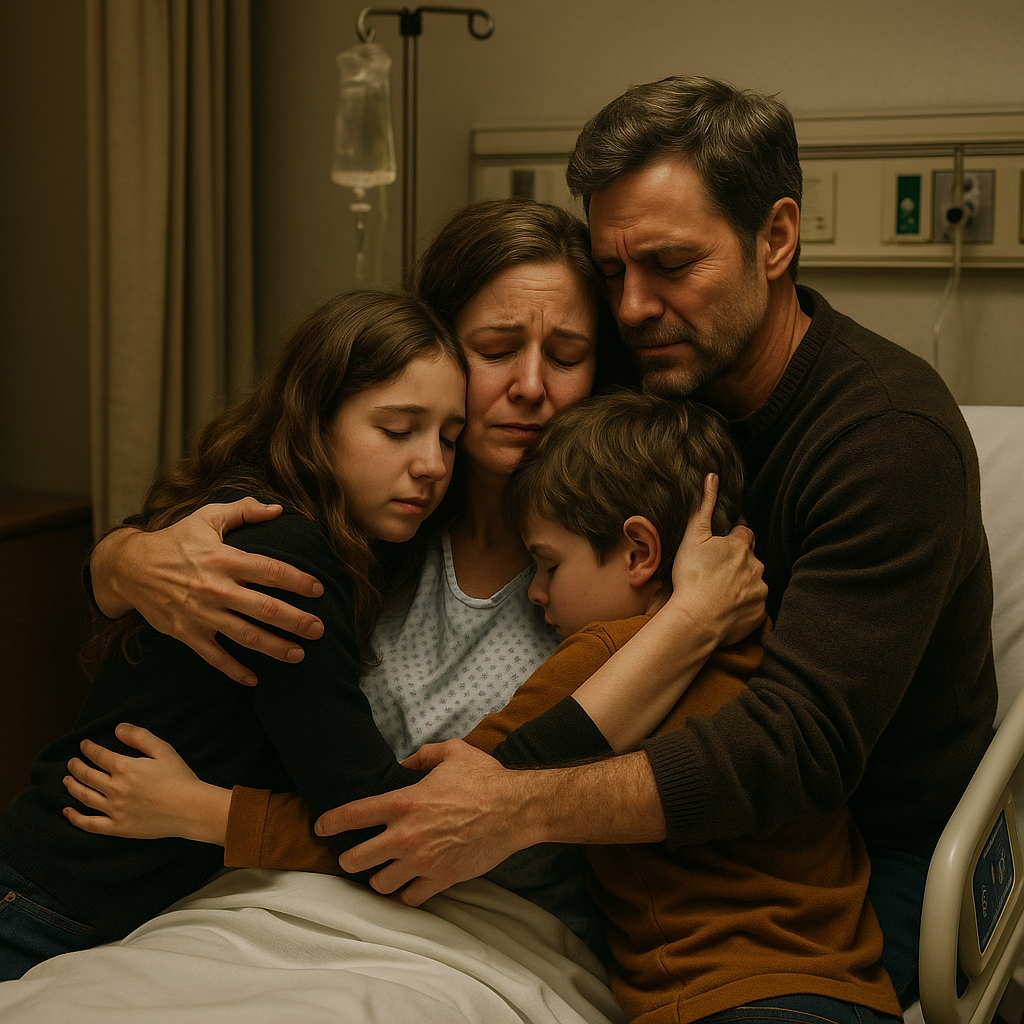
On Saturday, May 9, Kevin’s parents arrived in Durango and embraced their son in what his family described as a “miraculously bittersweet” moment. The reunion was profoundly moving. Kevin’s mother expressed her gratitude for the chance to hold her son once more, while his father shared, “I knelt at his feet and told him I was sorry if I ever disappointed him as a father.” Despite the sorrow of Kevin’s condition, the family found solace in being together one final time.
This reunion marked the culmination of countless prayers, advocacy from immigration rights groups, and the relentless determination of Kevin himself, who had spent months longing to share his final days surrounded by those he loved most.

Broader Themes: Family Separation, Healthcare Inequity, and Advocacy
Kevin Gonzalez’s story is not just about a single tragedy; it casts a penetrating light on broader systemic issues. At the heart of this story is family separation, a contentious topic highlighting the toll of strict immigration enforcement policies. Advocates argue such policies disproportionately penalize families, often resulting in traumatic outcomes both for children and their deported parents.
As noted by Noticias Telemundo, the family’s ordeal also underscores healthcare inequities faced by marginalized communities, particularly immigrants. Kevin’s diagnosis of colon cancer initially came after months of untreated stomach ailments, raising questions about early detection, access to healthcare, and systemic barriers that delay critical medical interventions for minority populations.
“Stories like Kevin’s show us how much is at stake,” said a health equity analyst. “Beyond borders and laws, we must address why such disparities persist and who bears the brunt of their consequences.”
How Communities Stepped In: A Glimmer of Hope
Despite the tragedy of Kevin’s passing, his story highlighted the power of community action. From grassroots immigration advocacy groups to social media campaigns amplifying his plea, the collective push for his parents’ reunion mobilized public conscience and showcased a deep reservoir of empathy.
“It was a community effort to push the system to do what it normally resists,” remarked a volunteer immigration advocate in Arizona. “We saw people from all walks of life stand with Kevin and his family. That’s rare, and it’s powerful.”
As reported by NBC Chicago, the family also received assistance from the Mexican consulate, which played an instrumental role in expediting his parents’ court proceedings. This cooperation between governments, although uncommon, offered a rare display of humanity within complex bureaucratic systems.
What Happens Next: Reflection and Reform
Kevin Gonzalez’s story has left an indelible mark, but it also raises pressing questions about the future. Will this case inspire systemic improvements in immigration practices, particularly regarding family reunifications? Can it spur more robust healthcare initiatives to address disparities in minority communities?
Observers note that structural change requires more than awareness; it demands action. “One-off cases of compassion are not enough,” an immigration rights researcher noted. “To prevent future tragedies, we need reform that honors the dignity and humanity of all people, regardless of where they were born or the language they speak.”
Kevin’s passing serves as a somber reminder of the human cost of inaction. As advocates and legislators debate long-term solutions, Kevin’s legacy may act as a rallying cry for those seeking a more compassionate world.