Images chosen by Narwhal Cronkite
Tehran Signals Shift in Supreme Leadership as Succession Looms
In a stunning move that hints at the future of Iran’s political hierarchy, Tehran has suggested that Mojtaba Khamenei, son of the current Supreme Leader Ayatollah Ali Khamenei, may take up the mantle as Iran’s next supreme leader. If realized, this transition could reshape both Iran’s domestic governance and its global positioning amid ongoing geopolitical tensions. The announcement comes amid swirling speculation about Ayatollah Ali Khamenei’s health and the evolving power dynamics within the Iranian political system.
The Legacy of Ayatollah Ali Khamenei
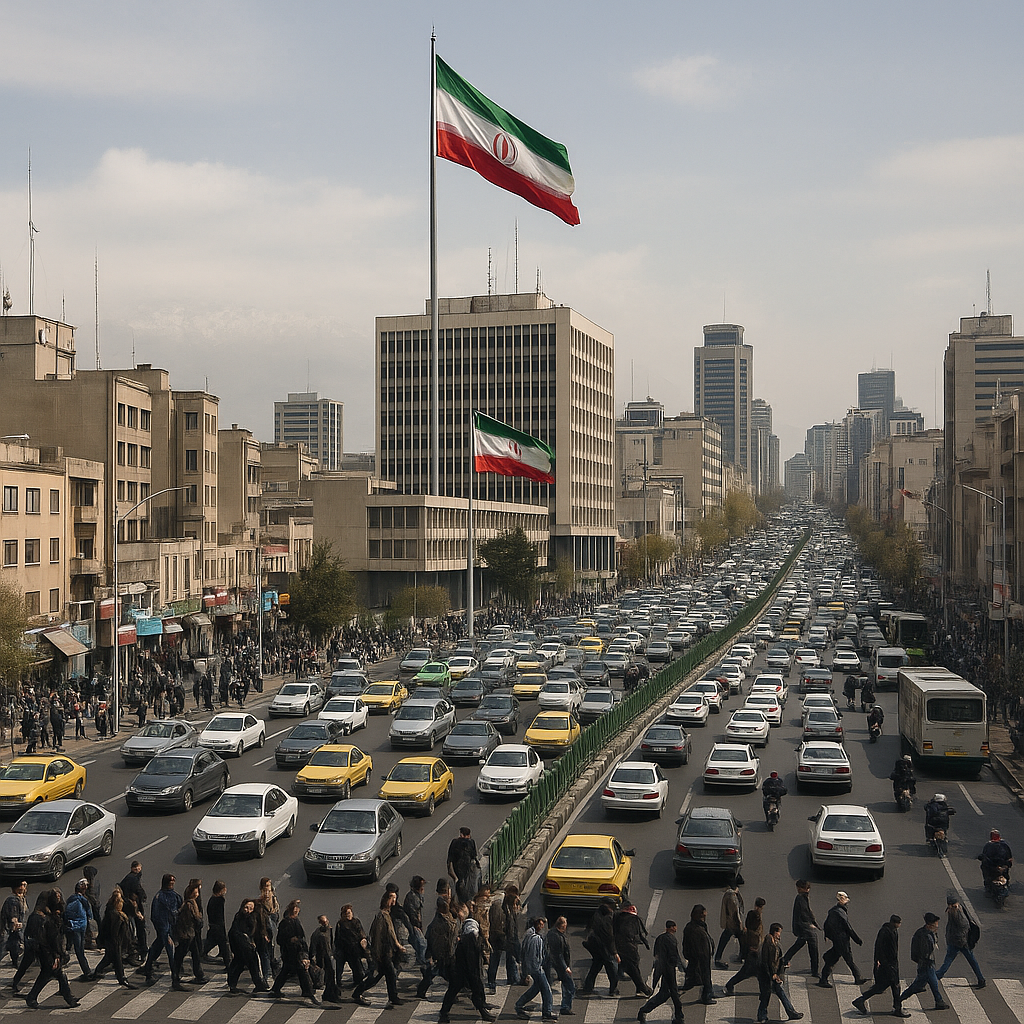
Ayatollah Ali Khamenei, who has held the position of Supreme Leader since 1989, has been a central figure in Iran’s political and religious sphere for decades. His leadership saw the country navigate international sanctions, escalating tensions with Western powers, and its role in regional politics across the Middle East. However, questions surrounding succession have lingered for years—an issue often shrouded by the regime’s tight control over information and public discourse.
According to Reuters, the potential appointment of Mojtaba Khamenei signifies a departure from traditional models of clerical ascension in Iran, raising concerns about nepotism within the ranks of the religious elite. Mojtaba, often described as a shadowy yet influential figure, has leveraged his close ties to his father to consolidate power quietly, particularly within Iran’s Revolutionary Guards, a pivotal branch of its military structure.
Why Mojtaba Khamenei?
Mojtaba’s emergence as the likely successor is seen as the culmination of years of strategic positioning. Observers argue his background is steeped in both political influence and religious doctrine, making him a convenient choice for continuity within the theocratic state. Fox News reported earlier this week that tensions around Iran’s oil policy and alignment with the Revolutionary Guards’ stances could further entrench Mojtaba’s hold on power.
A Regional Impasse Amid Global Power Shifts
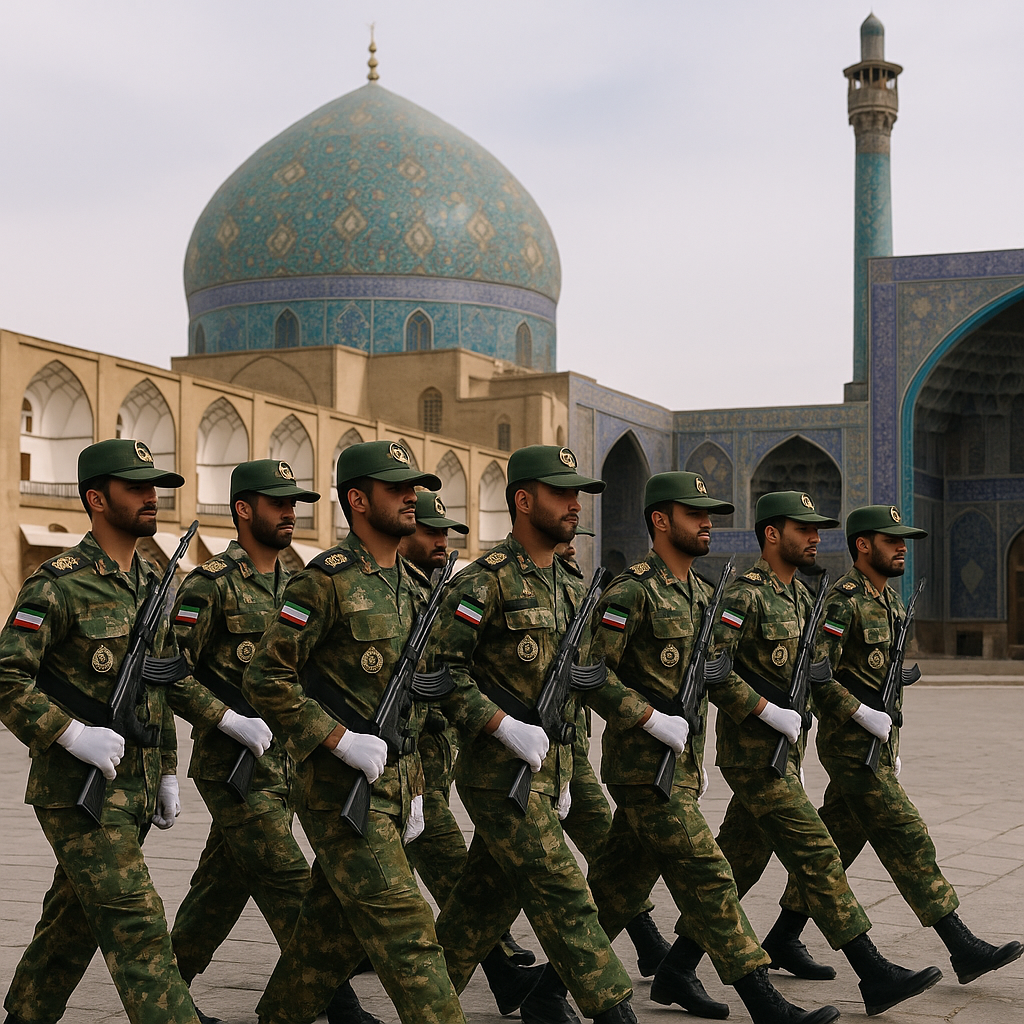
The implications of a Mojtaba-led Iran stretch far beyond its borders. Experts warn that his leadership could strengthen Iran’s hardline stance against Western powers. This change comes amid escalating tensions at the Strait of Hormuz, as reported by Fox News on March 6, 2026. Iran’s intensified military maneuvers in the area—threatening shadow oil networks—could exacerbate energy strains for countries like Russia and China, while simultaneously raising oil prices globally.
“Iran has always positioned itself as a strategic counterweight to the West and its allies,” noted Tarek Khalidi, an analyst specializing in Middle Eastern geopolitics. “Mojtaba’s rise would likely continue this trajectory, but with more aggressive overtures to shore up Iranian control within the region.” Khalidi suggests that Mojtaba’s ties with Iran’s Revolutionary Guards also risk a stronger militarization of domestic policies.
Global Markets Feel the Heat
The looming leadership shift has investors and analysts nervously assessing the potential economic fallout. Iran plays a pivotal role as an oil supplier, and any significant disruption in its energy strategies could send ripples across global markets. In addition, Mojtaba’s rumored support for higher enforcement of oil export sanctions aligns with an increasingly volatile energy sector. According to Reuters, more economic sanctions may likely follow if his policies intensify under a hardline ethos.

What Iran’s Leadership Change Might Mean for the West
While Iran has frequently clashed with Western nations, especially the United States, those conflicts could deepen under new leadership. Mojtaba Khamenei’s rise coincides with growing rhetoric from U.S. leaders aimed at countering Iran’s influence regionally and globally. In the words of former U.S. President Donald Trump, as quoted in Reuters earlier this week, “We’re not settling—if Tehran wants war, we’re ready for all options.” Such declarations amplify the anticipated friction between Tehran’s strengthened hardline approach and the foreign policy strategies of nations critical of Iran’s regime.
The shift would also impact Iran’s internal political mechanisms. A Mojtaba-led government could prioritize paramilitary strength over diplomacy, further alienating reformist voices within the country. Industry observers speculate that the judiciary and media landscapes—already tightly controlled—could see increased suppression of dissent in the coming years.
A Curtain Call for Change?
Despite significant challenges, Iran’s leadership transition could also inject renewed focus on economic self-reliance, particularly regarding sanction circumvention. Observers hint that Mojtaba might pursue alliances with non-Western blocs, notably Russia and China, to create insulated networks resistant to Western interventions. This aligns closely with Tehran’s recent efforts to interfere in shadow oil fleets, as detailed in Fox News coverage.
What Lies Ahead?
As speculation intensifies, political analysts consider Mojtaba Khamenei’s ascension both a predictable step and a potential destabilizer. Greater control by the Revolutionary Guards, coupled with hardline energy policies, could spark fresh waves of opposition both domestically and among the international community.
Questions around succession will remain closely watched by Iran’s citizenry, who have faced rising economic hardship and reduced freedoms under the current regime. For global markets and geopolitics, however, the critical issue will be whether Mojtaba Khamenei’s leadership marks the start of a more aggressive, militarized era for Tehran or whether internal pressures will force a focus on national rebuilding.
For now, all eyes remain on Tehran, where the decisions made today will echo for years to come—reshaping the political landscape not only within Iran but across the broader Middle East.
Implications and Key Takeaways
If Mojtaba is named supreme leader, here’s what to watch for:
- Potential policy changes in Iran’s military, oil supply, and trade networks.
- Impacts on global oil prices and supply-chain implications for major consumers like China and India.
- Heightened tension with Western nations and Israel, especially concerning Iran’s nuclear ambitions.
- Internal response to leadership change, including possible civil dissent within Iran itself.
The coming months—and perhaps years—could see dynamic shifts in Iranian policy. Observers and stakeholders will need to carefully monitor these developments to anticipate their global ripple effects.