Images chosen by Narwhal Cronkite
Tehran Rejected 48-Hour Ceasefire Proposal from US, Iranian Media Says
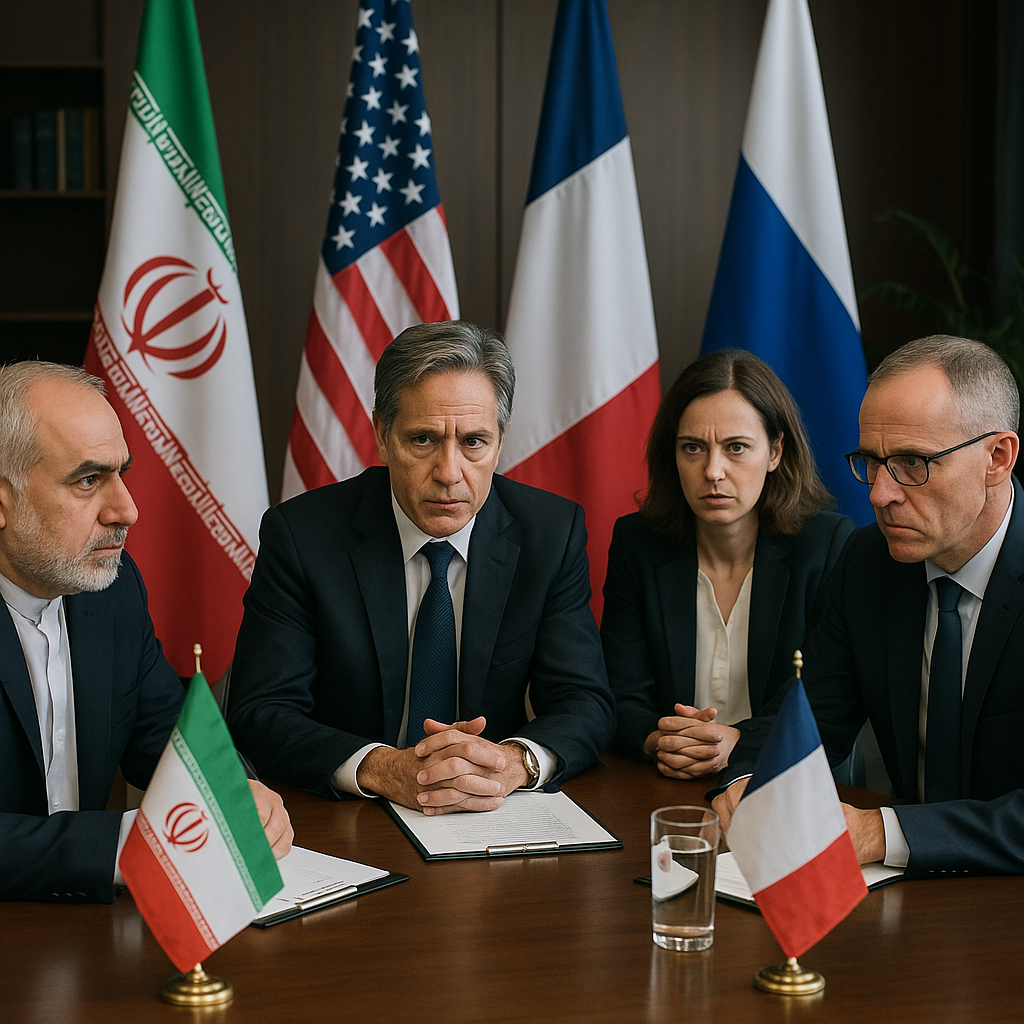
As tensions continue to escalate in the Middle East, Tehran has reportedly rejected a 48-hour ceasefire proposal from the United States, according to Iranian media citing unnamed sources. This development comes amid an increasingly volatile security landscape as regional and international actors are embroiled in what analysts fear could become an uncontainable conflict.
The Ceasefire Proposal and Its Immediate Fallout
The reported U.S. proposal had aimed to establish a temporary truce that would allow humanitarian aid efforts to reach devastated areas in the region and perhaps open the door for more comprehensive peace negotiations. Iranian state outlets, however, have characterized the offer as disingenuous and falling short of addressing what they see as the root causes of the conflict. Although the U.S. has yet to officially confirm this version of events, sources close to the matter have indicated that diplomatic overtures were indeed made to de-escalate the violence.
This rejection highlights stark limitations in current indirect communication channels between Tehran and Washington, a dynamic that has only worsened since the escalation of airstrikes and retaliatory attacks by multiple actors in the region. According to Reuters, the conflict has already claimed thousands of lives, displaced hundreds of thousands, and wreaked havoc on global oil markets.
An Escalating Conflict and Global Reactions
The Persian Gulf region has increasingly become a flashpoint for regional and international tensions. Recent statements by key diplomats and leaders reflect the gravity of the situation. Turkish Foreign Minister Hakan Fidan, for example, publicly criticized Iran’s strategy of launching airstrikes indiscriminately on Gulf Cooperation Council (GCC) members, describing it as an “incredibly wrong strategy,” according to the Hurriyet Daily News.
In addition, airstrikes involving Israel, Iran, and their proxies have become distressingly routine. As reported by Globalsecurity.org, one Israeli military official referred to the situation on March 25 as “business as usual,” underscoring the grim normalization of violence.
The Role of Alliances Amid Rising Instability
As the conflict rages, regional alliances are being tested, and new coalitions are emerging. Analysts argue that the crisis has provided a stark test for the Abraham Accords, agreements originally intended to bolster diplomatic and economic cooperation between Israel and several Gulf states. According to Israelnationalnews.com, the current war has forged closer military ties and may solidify a Middle Eastern coalition often referred to as a “Middle East NATO.”
However, this alignment has only served to exacerbate tensions between Iran and its adversaries in the region. Tehran has long viewed such alliances as a direct threat to its sovereignty, further complicating the pathways to dialogue and de-escalation.
The Humanitarian and Economic Toll
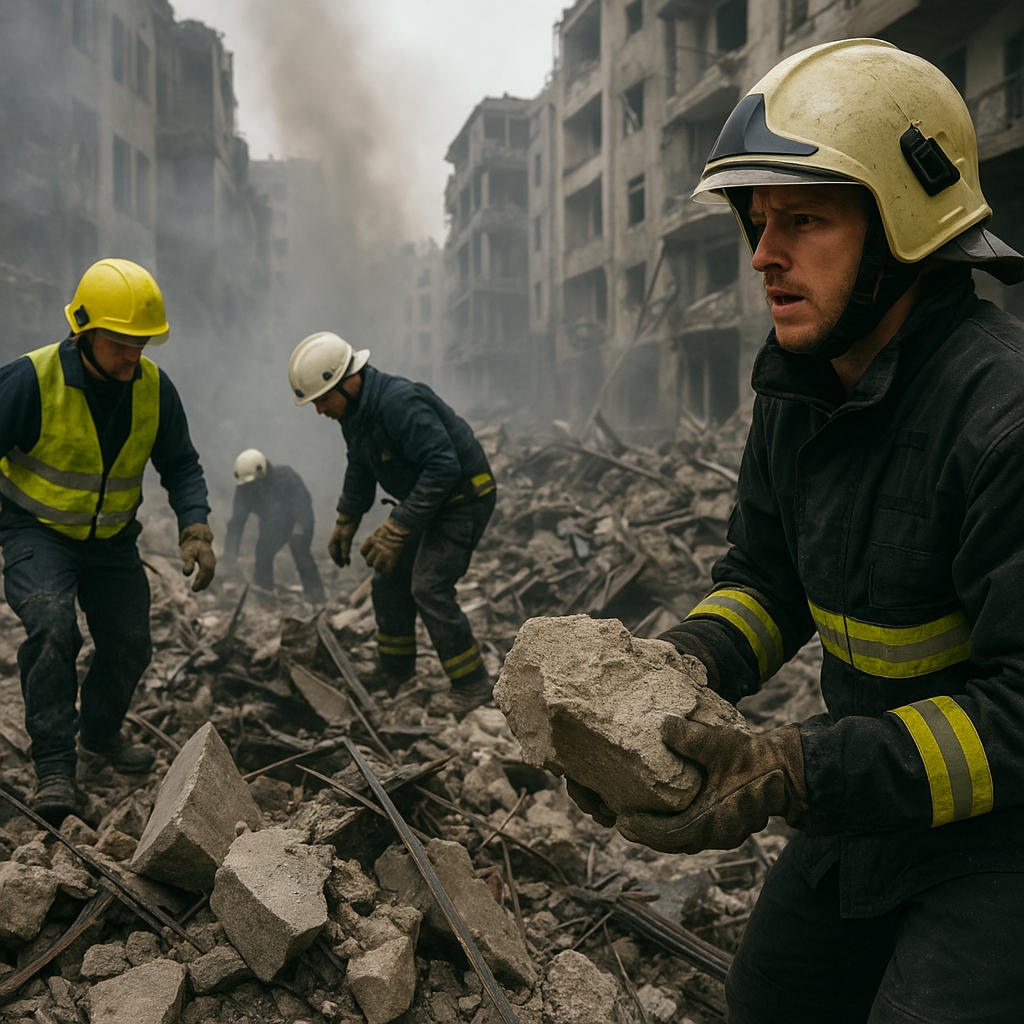
While governments navigate diplomatic complexities, the crisis is exacting a heavy toll on civilians and economies. Cities across the Gulf and the Levant are grappling with severe infrastructural damage and shortages of essential resources like food and medical supplies. International aid organizations face enormous challenges in accessing vulnerable populations due to ongoing hostilities and the absence of ceasefires.
Energy markets are also reeling. The conflict has caused fluctuations in global oil prices, with some analysts drawing parallels to the energy crises of the 1970s. As reported by the Financial Post, the chaos intensified last week when Houthi militants launched ballistic missile strikes on Israel, further heightening anxieties in the region.

What Comes Next?
The ongoing rejection of ceasefire overtures leaves the region on an increasingly precarious footing. Observers warn that without a framework for sustained dialogue, the likelihood of prolonged conflict remains high. The wider implications of this crisis extend beyond the region itself, risking a spillover effect into global markets and diplomacy.
As international stakeholders continue to monitor the situation closely, the potential for this crisis to reshape political alliances, energy policies, and humanitarian approaches cannot be understated. For now, the world watches as efforts to broker peace face continuing resistance, leaving millions of lives at risk in an escalating conflict that shows little sign of abating.
Implications to Watch
Several key developments bear watching in the coming weeks. First, the potential for a renewed or revised ceasefire proposal from major powers is a critical factor. Secondly, the role of regional powers such as Turkey and Saudi Arabia will remain pivotal as they attempt to mitigate the fallout within their spheres of influence. Lastly, the long-term impact on global energy markets may spur new economic measures or policy interventions aimed at averting a worldwide crisis.
For now, the unraveling situation underscores a timeless truth of geopolitics: solutions to protracted conflicts are rarely simple, but their absence carries monumental human and economic costs.