Images chosen by Narwhal Cronkite
Too Late for Support!
In an era defined by rapid technological advancements and shifting global dynamics, the concept of offering timely support—whether for individuals, technology, or movements—has become more critical than ever. Recent developments across a variety of fields illuminate a troubling trend: more often than not, responses seem to come too late to make a meaningful impact. From long-missing accountability in personal scandals to delayed fixes for technology missteps, the evidence is piling up that reactive measures won’t cut it anymore.

The Danger of Playing Catch-Up
The fallout of delayed action becomes strikingly evident when considering cases of accountability in high-profile controversies. A report from BBC News on February 19, 2026 (“Andrew Arrest and UN Fact-Finding Mission in Sudan”) highlighted the arrest of Andrew Mountbatten-Windsor over his ties to the disgraced financier Jeffrey Epstein. While the arrest signifies a long-overdue reckoning for past transgressions, it begs the question: why didn’t accountability come sooner?
Industry watchers suggest that the delay undermines trust, not just in institutions but also in the public perception of justice. “Delaying action until the eleventh hour dilutes the impact of such decisions,” explained an unnamed policy analyst. “The damage is often compounded by the time these issues are addressed publicly.” The mounting mistrust appears not only in social issues but also within the tech industry, where users expect real-time resolutions.
When Tech Support Comes Too Late
There’s no clearer example of delayed responses than the current state of consumer technology. A recent MacRumors report on February 24, 2026, details Sonos’s announced overhaul of its app to include Live Activities support. The move is partly aimed at restoring confidence following a bungled 2024 software update that frustrated a vast portion of its user base. However, as Bloomberg noted in the same report, regaining public trust after such an incident is a monumental challenge.
“The lesson here is simple but unforgiving: consumers will only tolerate so much before moving on,” technology consultant James Brunner shared when asked about Sonos’s recent actions. Furthermore, the tech giant’s plight offers a parallel to Google’s struggles with stagnation. A Wired review from February 18, 2026 (“The Google Pixel 10a Is Barely Different From the Pixel 9a”) lambasted Google for rolling out a product that lacked innovation while maintaining hefty price points. Responding to user feedback after a product’s launch simply doesn’t fly anymore in the fast-paced world of consumer expectation.

On Policy and Protests: The Cost of Inaction
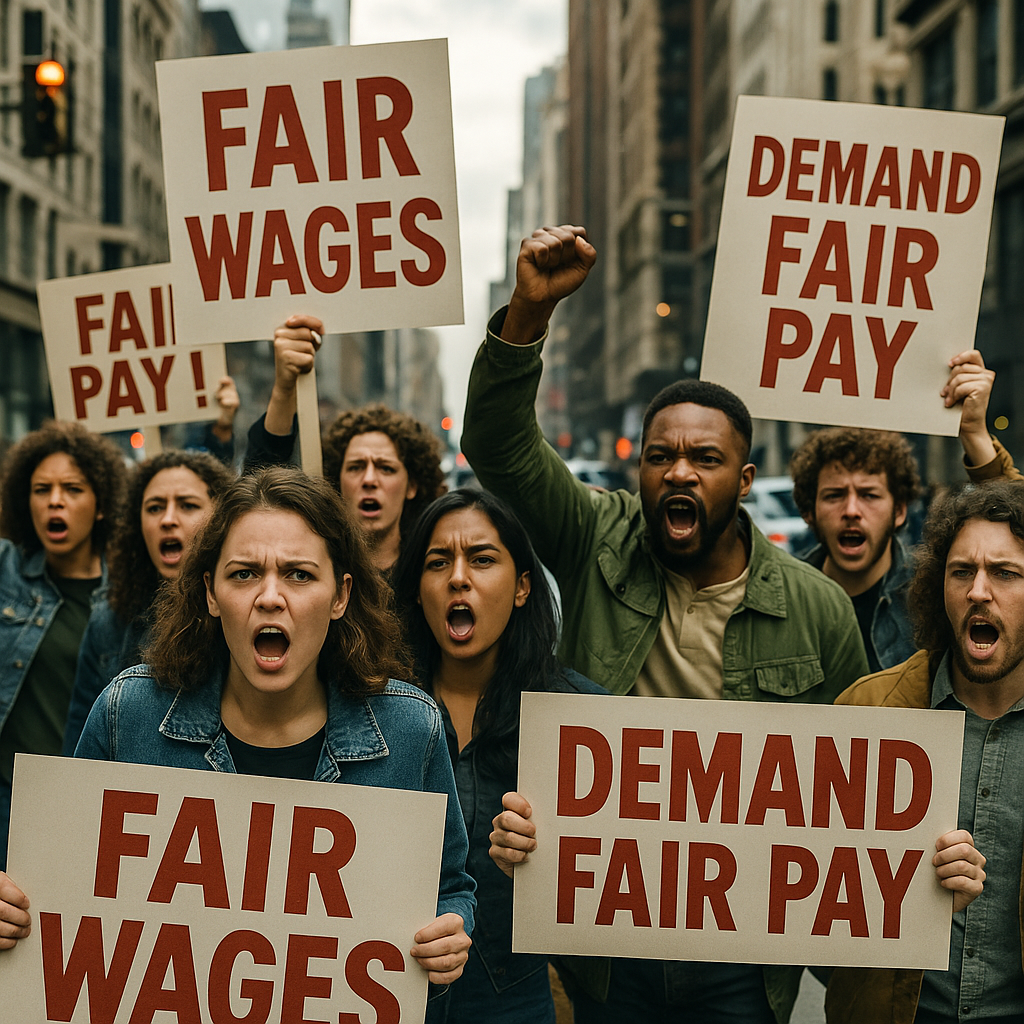
It’s not just tech where delayed responses are visible—issues of global inequality, especially concerning vulnerable groups, underscore the costs of inaction. Earlier this year, domestic workers in India were rebuffed by the country’s Supreme Court when petitioning for better wages and legal protections (“Court rebuffs plea from domestic workers for better pay and respect,” NPR, February 12, 2026). Protesters and activists argued that this lack of acknowledgment further entrenches systemic inequities.
Amid growing discontent, one labor expert stated, “Each time a court or legislative body hesitates or denies action, they marginalize these workers further, pushing them to the brink of exploitation.” A lack of timely support in addressing fundamental workplace issues continues to fuel anger, exacerbating societal divides.
Proactive Solutions or Reactive Band-Aids?
As a cautionary tale, one has to wonder what steps could have been taken to avoid such scenarios in the first place. Experts argue for proactive, iterative responses: addressing smaller grievances before they balloon into crises. In the realm of tech, for instance, Android Central recently shed light on critical updates rolled out by Google Home in early March 2026, including automation expandability and enhanced support for Nest’s Yale Lock (“March builds on Google Home automations”). Industry insiders believe these preventive updates set a high standard, ensuring satisfaction before issues arise.
Similarly, broader societal changes, like proactively legislating for labor rights, could mitigate widespread unrest. The delayed response paradigm may have roots much deeper than convenience—it reveals systemic inefficiencies at multiple levels and even cultural and political hesitations to act.
What Does This Mean for the Future?
The implications of delayed responses are profound, and the lessons are clear. Whether in individual cases of accountability or business and governmental strategies, waiting for problems to escalate before addressing them may no longer be an option. The modern consumer, activist, or observer demands transparency and action sooner rather than later.
Organizations—both public and private—cannot afford to be reactive. They must invest in predictive decision-making frameworks and listen to the voices of their stakeholders preemptively. Missing or indecisive action has already proven costly, as evidenced in recent tech missteps and societal unrest.
As the world looks forward, leaders must understand one essential truth: inaction is no longer neutral. It’s a choice—and often, it’s the wrong one.
What to Watch For
In the coming years, expect to see increased focus on predictive analytics across industries, as real-time data serves as the backbone of timely support. Whether companies like Sonos will regain goodwill remains uncertain, but their shift toward proactive app experiences is a step in the right direction. On the social front, upcoming legislative moves and grassroots efforts to ensure worker protections—especially for domestic laborers—could signal a slow but overdue turning point.
Finally, expect enhanced scrutiny and accountability for high-profile figures like Andrew Mountbatten-Windsor. His recent arrest might signal that no matter how late, justice might eventually catch up.
The takeaways? A wait-and-see approach may feel safer, but in the end, it’s often too little, too late.