Images chosen by Narwhal Cronkite
Trump Greeted With Mixed Reactions at Kennedy Center Premiere
When former U.S. President Donald Trump and former First Lady Melania Trump appeared at the Kennedy Center earlier this week for the premiere of the musical Chicago, the atmosphere in the audience was far from unified. A combination of applause and boos greeted the couple, underscoring the divisive nature of Trump’s political and cultural legacy. The event, billed by organizers as a celebration of art and theater, transformed into an unintended spectacle of public opinion.

The Scene on Opening Night
The couple’s attendance at the Kennedy Center marks their first public appearance together since January, when they attended the premiere of a documentary about Melania Trump. On Tuesday, however, tensions were high even before attendees realized a “special guest” would be in their midst. Heightened security, complete with bomb-sniffing dogs and plain-clothed agents, hinted at the VIP presence. Once the Trumps arrived, the response ranged from cheers to loud jeers, captured vividly on social media and in reports from major outlets.
Videos shared by the Daily Caller and CBS reporter Aaron Navarro show the mixed reactions in the crowd. Navarro noted on social media that while cheers dominated, “loud boos could still be heard.” The White House’s Rapid Response account, however, shared a clip of the event where negative reactions were evident but less pronounced. Such discrepancies between perspectives highlight a growing divide in public sentiment toward one of America’s most controversial leaders.
Melania Trump, notably dressed to evoke the roaring 1920s style epitomized by Chicago’s lead characters, Roxie Hart and Velma Kelly, also garnered significant attention. Her outfit choice, shared in a slow-motion video she posted online, seemed to embrace the themes of fame, crime, and excess central to the musical’s storyline.
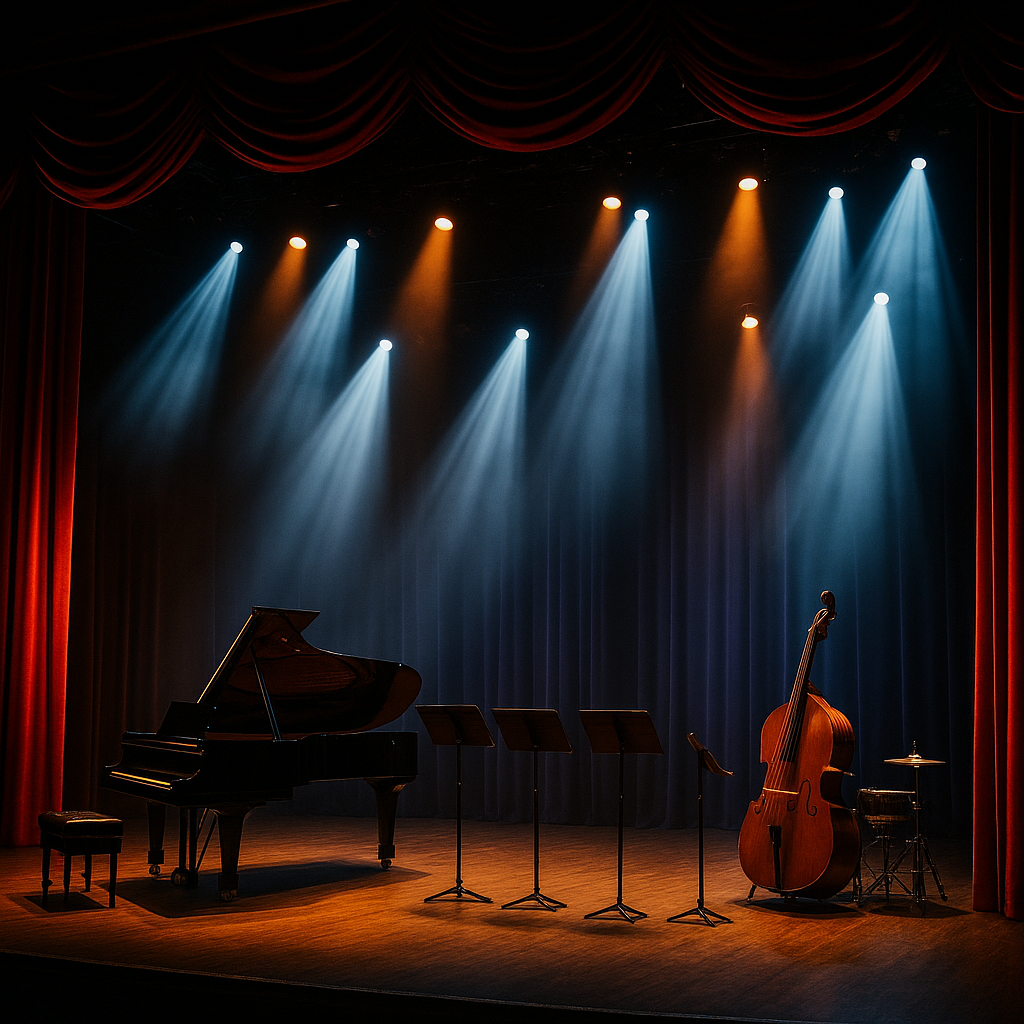
A Legacy of Polarization at the Kennedy Center
Trump’s history with the Kennedy Center has been anything but smooth. His administration oversaw controversial decisions regarding the venue, including one to add his name to the building—an unprecedented move that sparked backlash from the arts community. Critics saw the renaming as symbolic of the politicization of the once-prestigious institution.
Moreover, the decision prompted a string of boycotts from artists and performers and raised concerns about the preservation of cultural spaces in an increasingly polarized climate. In an ironic twist, Chicago—a narrative steeped in themes of corruption and public manipulation—may have been an apt choice for Trump’s return to the limelight in this venue.
In the wake of these controversies, the Kennedy Center has struggled to retain its status as a cultural hub. Its upcoming two-year closure for renovations will likely continue to fuel debates about its future, particularly as it seeks to rebuild both its reputation and its audience base.
Public Opinion: Divided but Unignorable
Observers note that the mixed reactions garnered during Trump’s appearance reflect broader trends in how he’s perceived nationally. According to a recent survey by Pew Research, Americans are more divided than ever on key issues, with Trump himself remaining a polarizing figure well into his post-presidency. For some in the arts community, his attendance may have represented an uncomfortable intersection of politics and culture—a tension unlikely to dissipate anytime soon.
Yet, not everyone was displeased. Bobi Jo Swartz, an EMT and paramedic firefighter, expressed excitement after recognizing Trump in the audience. “I love it,” Swartz told The Independent. “I’m glad that he’s a part of it.” To others, like those unaware of his attendance until the event began, the surprise appearance carried little significance beyond the immediate spectacle of heightened security and media coverage.

What This Means for the Arts
Beyond the political implications, the incident raises questions about the relationship between art and partisanship. Institutions like the Kennedy Center have traditionally served as neutral spaces, dedicated to celebrating creativity and culture over division. However, the current backdrop of political polarization has made such detachment increasingly difficult to maintain.
Dr. Stephen Calloway, a cultural historian at Georgetown University, sees this as part of a broader trend. “Cultural spaces are being drawn into the political arena in ways we haven’t seen in decades,” he explains. “It’s not just about Trump. It’s about the broader question of how we preserve cultural institutions as neutral spaces in deeply divided societies.”
Directors at the Kennedy Center have not issued a comment regarding the mixed reception, though staff and organizers are reportedly taking stock of how to navigate the next two years alongside ongoing renovations.
What Lies Ahead
As the Kennedy Center prepares for its temporary closure, moments like the Trumps’ appearance serve as a reminder of the challenges facing cultural institutions in America today. Whether it’s boycotts from performers or mixed reactions in the audience, the intersection of politics and art will likely remain a flashpoint.
For Trump, the evening may have been a stark indication of how public opinion continues to ebb and flow. Even as he stages public events and shapes his post-presidential profile, the balancing act between celebration and criticism remains unavoidable. Similarly, for audiences and arts institutions, the challenge of navigating high-profile appearances without alienating key constituencies will persist long after Trump has left the theater.
The enduring question is whether these spaces can refocus on fostering unity through art and collective appreciation—or whether they will continue to serve as battlegrounds for personal and political expression. As Dr. Calloway puts it, “The arts have always been a mirror to society. Right now, the reflection is one of division. Whether or not that changes depends on how we choose to engage with it.”