Images chosen by Narwhal Cronkite
Trump Postpones Military Strikes on Iranian Power Plants: What It Means for Global Stability
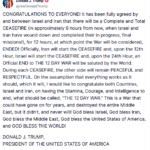
In a move surprising even his closest advisors, U.S. President Donald Trump has announced a delay in planned military strikes on Iranian power plants. This decision, reported by Reuters, comes amidst rising tensions in the Gulf region that have already seen incidents like tankers exploding near Kuwait and Israeli airstrikes targeting Iranian installations. The postponement offers a critical moment of pause in what could escalate into a full-blown regional conflict with dire consequences for global energy security.
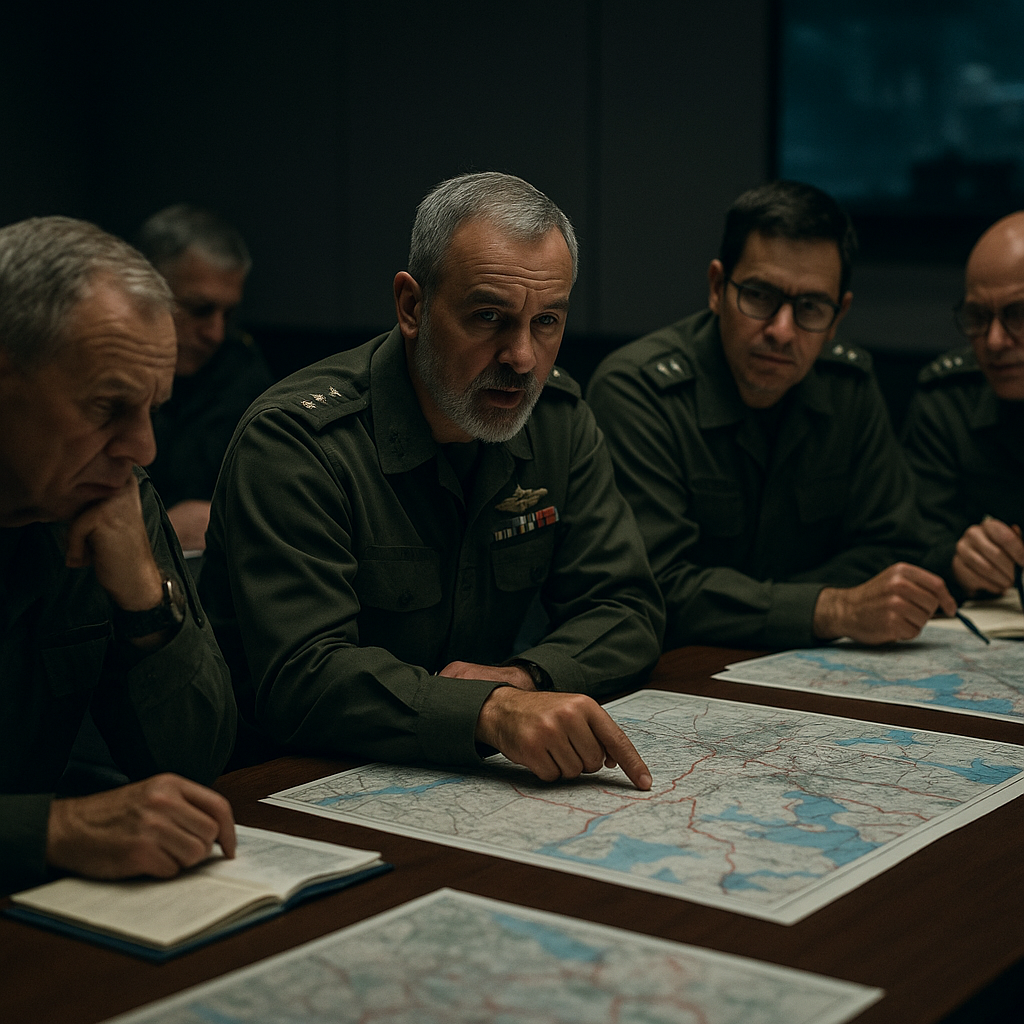
The Background of Escalating U.S.-Iran Tensions
Recent months have been marked by volatile interactions between the U.S. and Iran, compounded by internal and external political dynamics. According to Foreign Policy, Iran remains steadfast in its defiance of U.S. demands, with its leadership framing resistance as a national duty—even martyrdom. Iran’s Supreme Leader Ayatollah Ali Khamenei, who recently passed away in the shadow of an Israeli airstrike on his underground bunker, has left behind an unwavering military doctrine, complicating hopes for diplomacy.
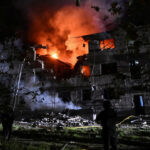
The regional security environment has further deteriorated following the explosion near Kuwait’s Mubarak Al Kabeer port earlier this March, which damaged a fuel tanker and caused oil leaks. As reported by Natural News, such incidents have heightened fears of ecological disasters and fuel supply shortages. Analysts warn that these smaller flashpoints could serve as catalysts for broader conflict in an already fragile region.
Trump’s Decision: Strategic Prudence or Political Calculations?
While the postponement by President Trump has de-escalated immediate concerns of military strikes, experts remain divided over whether this decision stems from strategic prudence or political maneuvering. Some view it as a calculated effort to avoid further global instability and protect U.S. interests in the Gulf, particularly in light of an anticipated spike in oil prices that could deeply affect international markets.
Others, however, believe there is a more political dimension at play. “Postponing military action could be a way to deflect criticism inside the Senate,” remarks one defense analyst, referencing recent rejections of resolutions aimed at curbing Trump’s war powers. “It’s a subtle play to navigate domestic politics while maintaining a hardline stance on Iran.”
The ripple effects are also being felt globally. Brazilian President Luiz Inacio Lula da Silva postponed his planned trip to Washington due to the Iranian conflict, according to Sputnik Globe. These broader geopolitical reverberations suggest that even nations beyond the Middle East are re-evaluating their priorities due to the uncertainty surrounding U.S.-Iran relations.
The Global Energy Market in Crosshairs
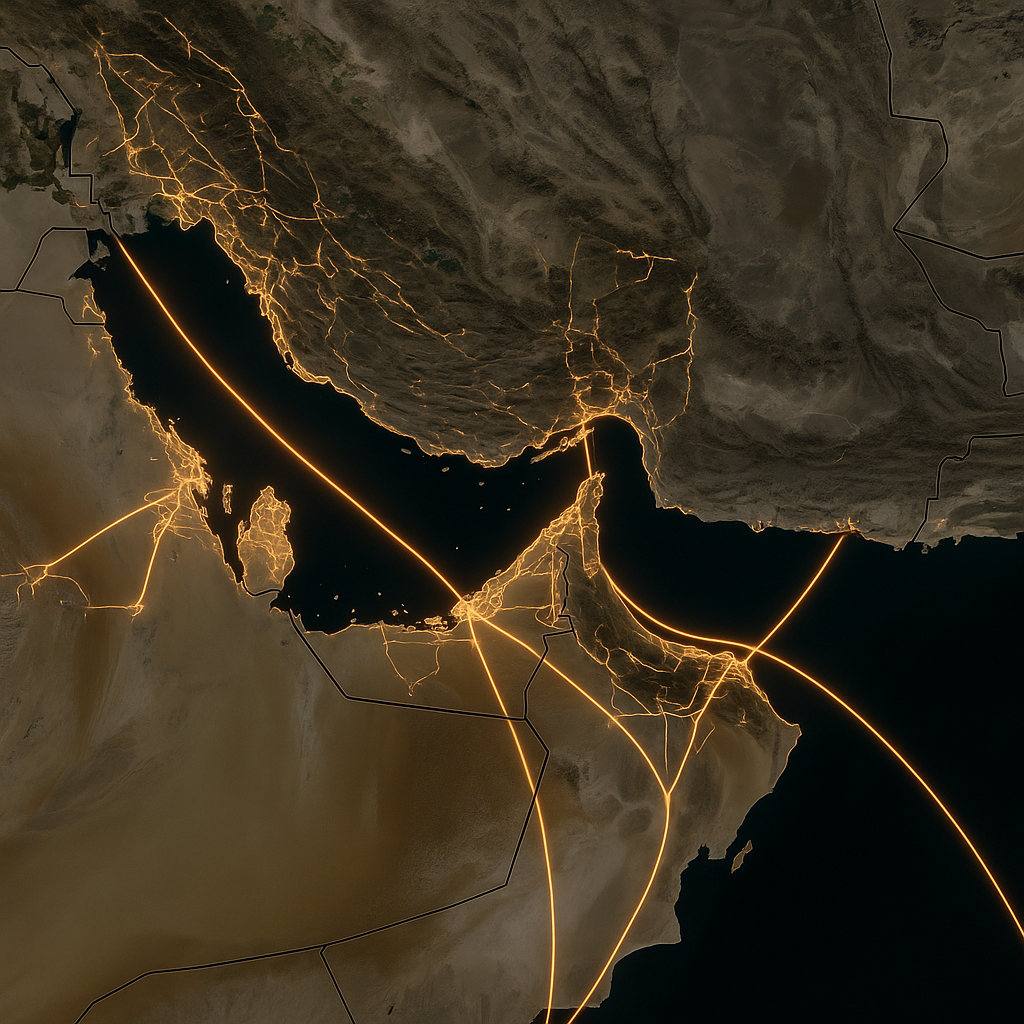
One of the most concerning ramifications of escalating U.S.-Iran tensions is its potential impact on global energy supplies. The Gulf region holds nearly half of the world’s strategic oil reserves. Already, the explosion in Kuwait has raised alarms among energy analysts about the vulnerability of oil infrastructure amid military escalation.
“The Gulf’s instability is driving crude prices higher, and this postponement does little to ease traders’ nerves,” commented an energy economist from the International Energy Agency (IEA). The longer-term economic impact could be felt in industries ranging from manufacturing to transportation, as fluctuations in oil prices influence broader global markets.
China and India, major importers of Gulf oil, are particularly vulnerable. Any sustained disruptions could force these countries to seek alternative suppliers at inflated costs, further straining their economies. According to analysts, these shifting patterns could redefine alliances in the global energy trade.
What Might Come Next?
While some are lauding Trump’s postponement as a moment of restraint, others caution that this could lead to a dangerous holding pattern with no clear resolution. Industry experts highlight the possibility of either side taking provocative actions—whether another strike by Israel on Iranian assets or further Iranian movements affecting civilian areas in the Gulf.
The lack of transparency about the timeline for the postponed strikes also raises concerns. “Flexibility in timing might signal a calculated move,” observed a geopolitical analyst from Georgetown University, adding that delayed action could allow the U.S. military to strengthen its alliances across the Middle East.
Meanwhile, humanitarian and environmental groups are watching developments closely, concerned about the broader implications for Gulf ecosystems and civilian populations. Some worry that, even without direct military confrontation, the disruption of critical systems like power plants and oil tankers may spark humanitarian crises, especially in areas heavily reliant on utilities and imports.
Implications for Global Diplomacy
The postponement has also cast a spotlight on broader diplomatic efforts—or lack thereof—in resolving the Iranian conflict. With Ayatollah Khamenei’s death, Iran is undergoing a critical leadership transition. This moment represents a unique opportunity for negotiations, but decades of mistrust between Tehran and Washington make mutual concessions unlikely.
Regional players like Saudi Arabia, Qatar, and Turkey could play outsized roles in mediating future talks, though their interests often diverge, making unified action challenging. “The Gulf is a chessboard with too many players holding competing interests,” says Rafael Cohen, a Middle East policy expert. “Everyone’s waiting for someone else to make the first move.”
What to Watch For Next
The postponement of military strikes on Iranian power plants, while offering a temporary reprieve, has done little to resolve underlying tensions. Analysts suggest paying attention to three key areas in the coming weeks:
- Shifting oil prices and their impact on major importing nations like China and India.
- Responses from allies in the region, including Israel and Saudi Arabia, who may pursue unilateral action.
- Diplomatic overtures—or escalations—following the Iranian leadership transition.
Ultimately, the Gulf remains a tinderbox. Whether President Trump’s decision delays or prevents conflict altogether will depend on how regional and global actors navigate these challenging dynamics.