Images chosen by Narwhal Cronkite
Trump Warns of Iran Power Plant Strikes Amidst Stalled Negotiations
U.S. President Donald Trump made a dramatic ultimatum on Monday, threatening sweeping military strikes on Iran’s critical infrastructure if Tehran fails to meet an 8 p.m. Tuesday deadline to negotiate a deal. The declaration escalates tensions in an already volatile situation, with global observers watching closely as the clock ticks down.
A Bold Ultimatum That Could Reshape Diplomacy
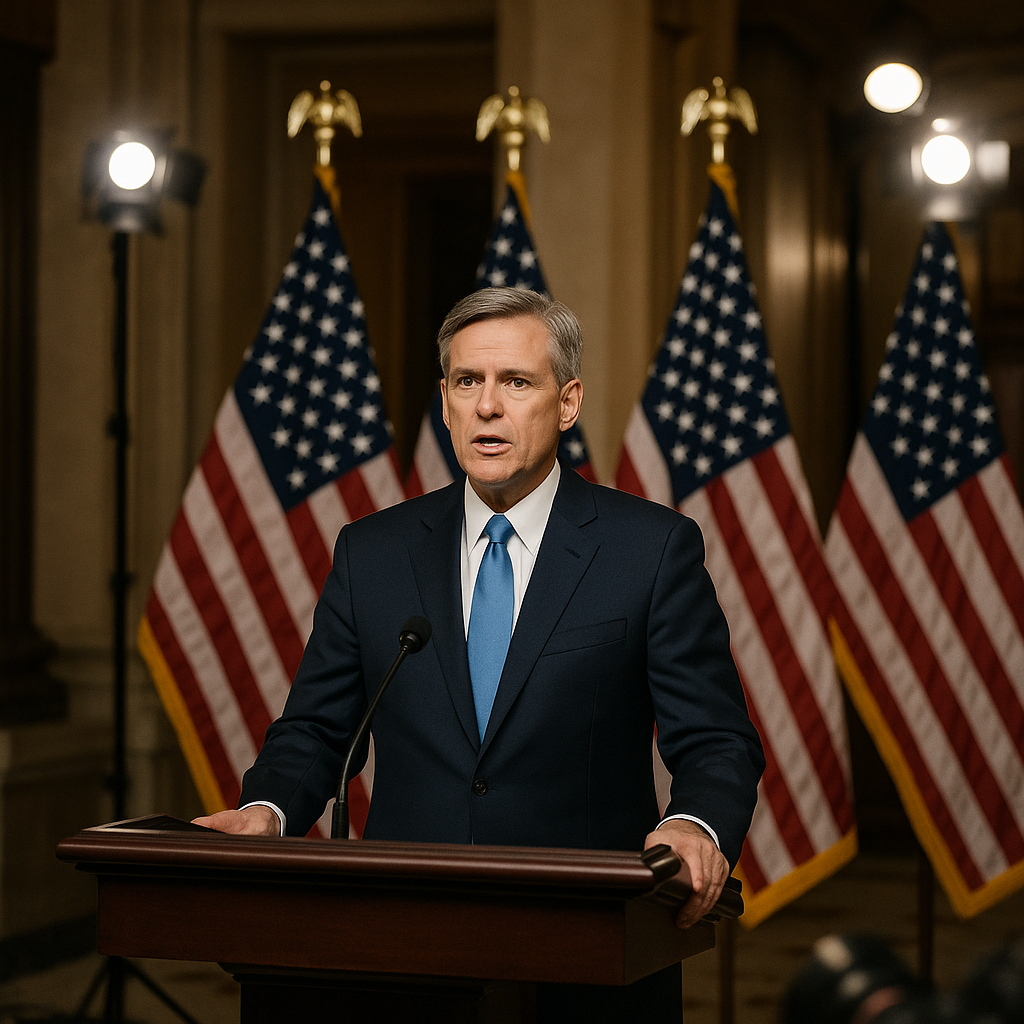
Speaking at a White House news conference, Trump outlined an unyielding plan, pledging to annihilate Iran’s power plants and bridges within a matter of hours if demands are not met. “We have a plan where every bridge in Iran will be decimated and every power plant in Iran will be out of business, burning, exploding, and never to be used again,” Trump announced. The U.S. president underscored the scale of destruction, emphasizing that “the entire country can be taken out in one night, and that night might be tomorrow night.”
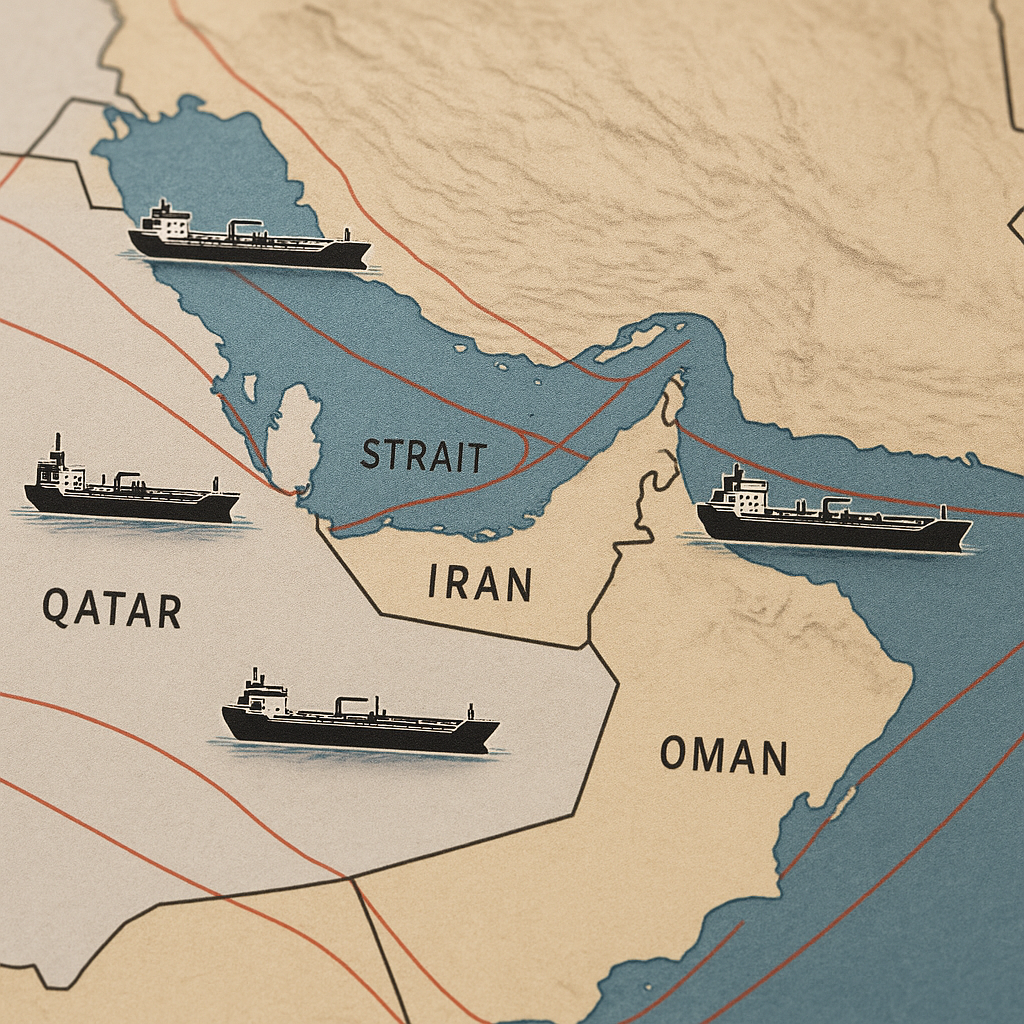
The ultimatum centers around U.S. conditions, including Tehran’s abandonment of nuclear ambitions and the reopening of the strategically crucial Strait of Hormuz, which handles nearly a third of the world’s seaborne oil trade. Trump framed his vision as a tactical necessity to address what he called the existential threat of Iran’s nuclear aspirations. “I’m not worried about war crimes,” he said, dismissing legal criticisms. “You know what’s a war crime? Having a nuclear weapon.”
The response from Tehran has been sharp. An Iranian security official, quoted by CNN, accused Trump of “losing control” of the situation. “Iran wants the war to end — but not in the way or on the timetable that Trump wants,” the official remarked, conveying skepticism about U.S. intentions and blaming Trump’s aggressive rhetoric on military setbacks.
The Risks of Escalating Tensions in the Region
Experts warn that Trump’s provocative language and the looming threat of destruction could significantly destabilize the region. The Strait of Hormuz, often described as the world’s most important chokepoint for oil transport, is already under immense strain. According to Al Jazeera, Trump’s threats to decimate infrastructure could grind oil transport to a halt, leading to economic ripples far beyond Iran.
Defense Secretary Pete Hegseth added fuel to the fire, suggesting an escalation of violence may be unavoidable. “The heaviest strikes of the war so far are expected, and Tuesday could bring even more devastating operations,” he stated.
Such rhetoric raises questions about the impact this crisis might have on global markets. Jezebel recently pointed out that the ongoing U.S.-Iran standoff has already led to oil price shocks, compounding fears of stagflation and a potential recession. The economic uncertainty amplifies the stakes, with industries bracing for disruptions to energy supplies and investors weighing the risk of market volatility.
The Humanitarian Angle and Broader Implications
Beyond geopolitical calculations, the potential human cost looms large. The destruction of power grids, bridges, and infrastructure in Iran would not only cripple essential services but also create a humanitarian catastrophe for millions. Despite this, Trump’s administration appears singularly focused on exerting maximum pressure on Tehran.
“Civilian infrastructure is always a tempting target for military strategists seeking to disable an enemy’s capability,” noted a defense analyst who spoke on background. “But the collateral damage — not just to civilian life, but to regional stability — often outweighs any immediate tactical advantages.”
The suggestion to avoid immediate escalation likely aligns with sentiments from international allies, some of whom privately advocate for behind-the-scenes diplomacy. However, Trump’s insistence on speedy action reflects his broader strategy of leveraging unpredictability to force opponents into submission.
What Happens After the Deadline?
If Iran does not agree to U.S. terms, global observers are bracing for potentially drastic responses from both sides. Military strikes may not only disrupt Iran’s internal capacities but could also provoke retaliation targeting U.S. interests in the region. Analysts highlight scenarios ranging from cyberattacks on Western systems to coordinated efforts with regional proxies capable of extending instability throughout the Middle East.
Meanwhile, key questions remain unanswered: Will Trump’s timeline send Tehran back to the negotiating table, or will it harden Iranian resistance? Could miscalculations spark an inadvertent larger conflict? And how would Trump’s aggressive strategy affect Washington’s standing with its international partners?
The latest developments echo similar moments of brinkmanship in Trump’s presidency, where high-stakes ultimatums often served as precursors to unexpected announcements or strategic pivots. However, the stakes in this conflict are arguably higher, as any escalation in the Middle East invariably draws broad global implications.
The Road Ahead: Diplomacy vs. Military Action
As of now, all eyes remain on the hours leading up to Trump’s deadline. Global oil markets, defense analysts, and humanitarian organizations are bracing for potential fallout. Diplomacy is still theoretically possible, with mediators working behind the scenes to broker a deal, but trust appears to be in short supply on both sides.
“The next 24 hours will be critical,” one geopolitical observer noted. “Not just for the U.S. and Iran, but for global stability as a whole. Both parties need to understand that miscalculation here could lead to catastrophic consequences.”
For now, uncertainty reigns. Critics and supporters alike recognize that Trump’s fiery rhetoric underscores the high stakes of the moment. Whether those words translate into action or serve as a means of pressure remains to be seen. Either way, the implications for global diplomacy, energy markets, and the human cost will likely be felt long after Tuesday night’s deadline.
What to Watch For Next
As the deadline approaches, the world will need to monitor several key developments:
- Further statements or clarifications from the White House on potential military action.
- Iran’s response and possible countermeasures leading into the deadline.
- Impacts on oil markets and regional diplomacy as countries brace for potential disruptions.
Whether calamity can be averted or not, this deeply uncertain moment underscores the fragility of power dynamics and international negotiations in the modern era.