Images chosen by Narwhal Cronkite
After Trump’s Ultimatum, Iran Threatens Desalination Plants: What’s at Stake
The already tense geopolitical landscape in the Gulf region may be reaching a boiling point. Following a 48-hour ultimatum from U.S. President Donald Trump demanding Iran reopen the Strait of Hormuz, Tehran has vowed retaliation against critical infrastructure, including desalination plants. Experts fear this could lead to severe disruptions in water and energy supplies, resonating far beyond the Gulf to global markets and daily life in the affected countries.
High-Stakes Warnings and Counter-Threats
In response to Trump’s ultimatum, which threatened military strikes on Iranian power plants, Iran’s Central Headquarters of Hazrat Khatam al-Anbiya released a stern message. A spokesperson stated, “Following previous warnings, if Iran’s fuel and energy infrastructure is attacked by the enemy, all energy, information technology, and desalination infrastructures belonging to the US and the regime in the region will be targeted.”
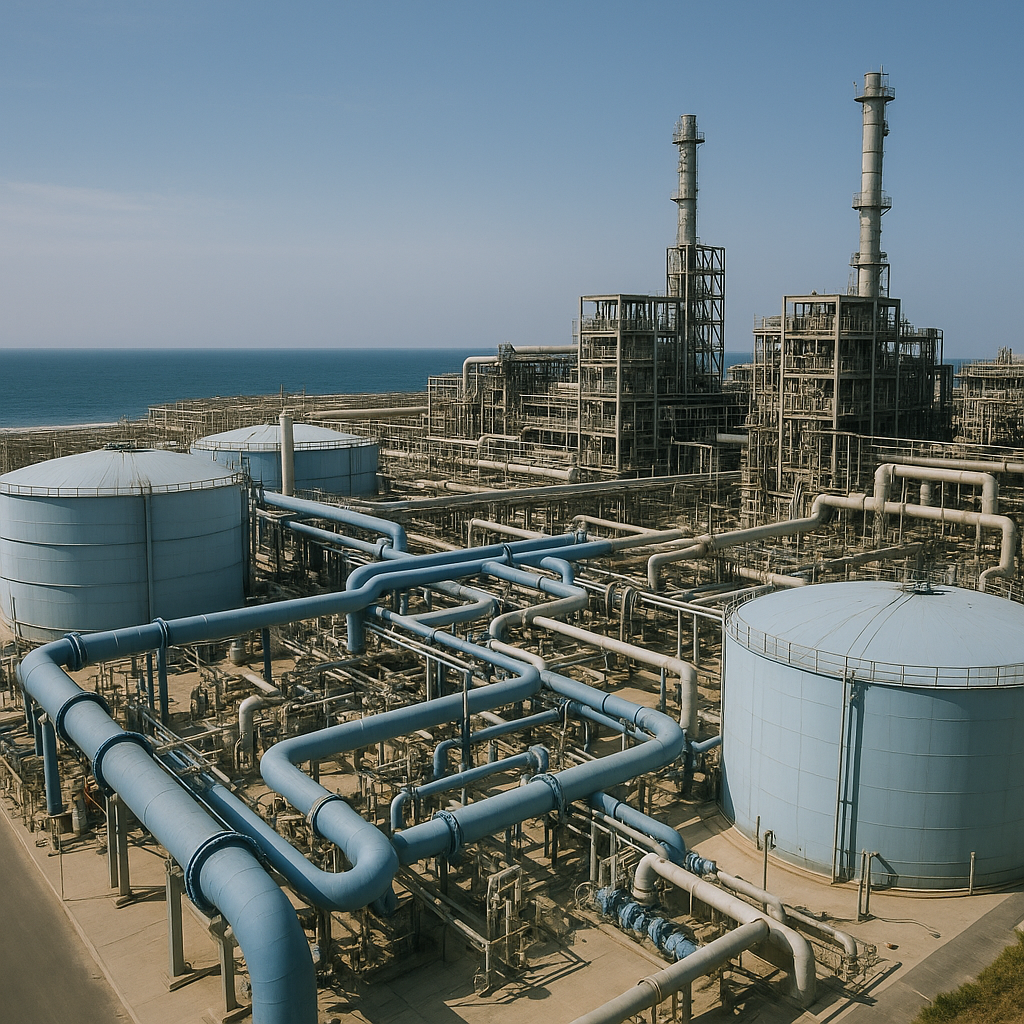
This statement underscores the potential ripple effects across interconnected systems that the Gulf states rely on. For nations like Saudi Arabia, desalination plants are indispensable, supplying potable water to millions. According to projections, an attack on facilities such as Saudi Arabia’s Jubail desalination complex could trigger a humanitarian crisis, forcing the evacuation of cities like Riyadh within mere days.
Why Desalination Plants Are a Critical Target
Desalination plants play an essential role in the Gulf region due to its arid climate and scarcity of freshwater resources. Countries such as Saudi Arabia, the UAE, and Kuwait depend heavily on these facilities to support their burgeoning populations and industrial operations. A 2025 study by the World Resources Institute estimated that over 70% of freshwater in Saudi Arabia comes from desalination, emphasizing the vulnerability of these plants.
“Targeting water infrastructure on this scale would not only devastate public health but paralyze industries reliant on stable water supplies,” noted Dr. Sameer Hariri, a Middle East researcher at the University of London.
The Strait of Hormuz: A Geopolitical Flashpoint
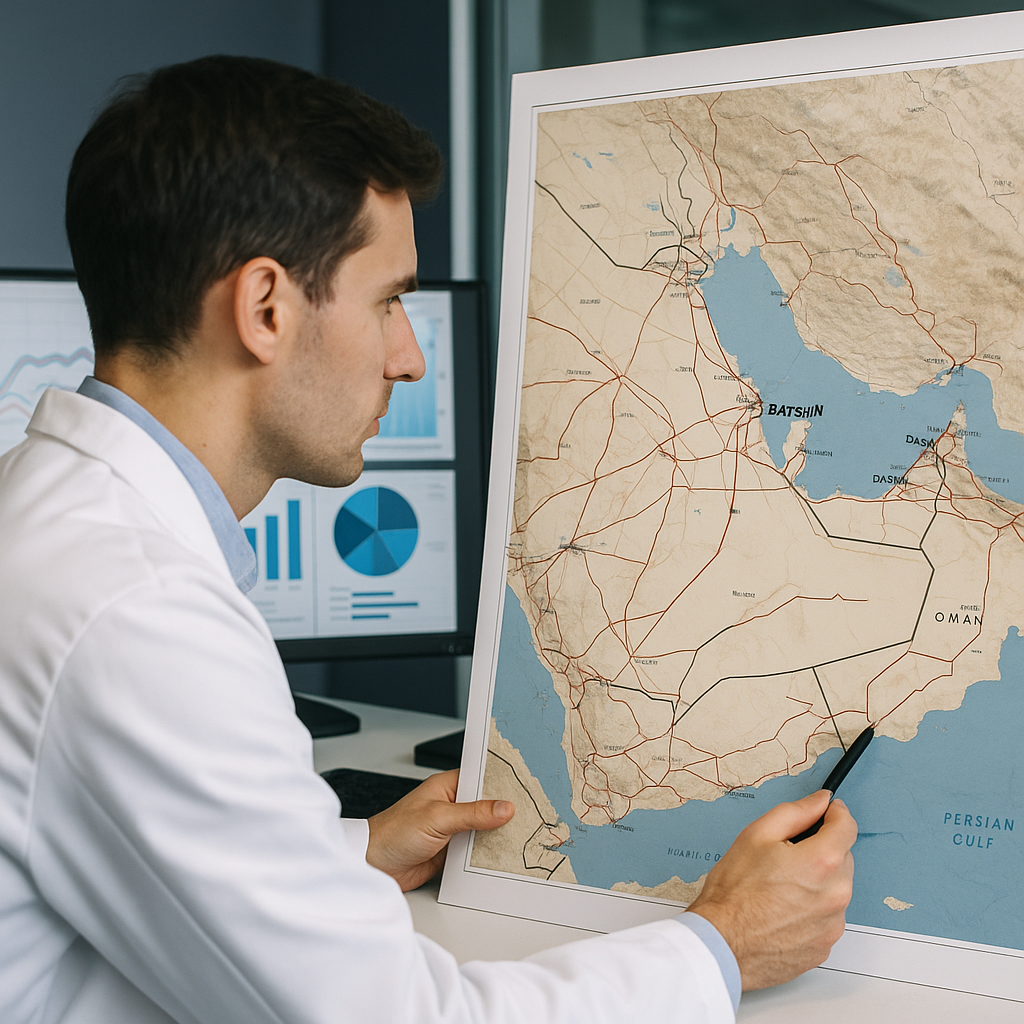
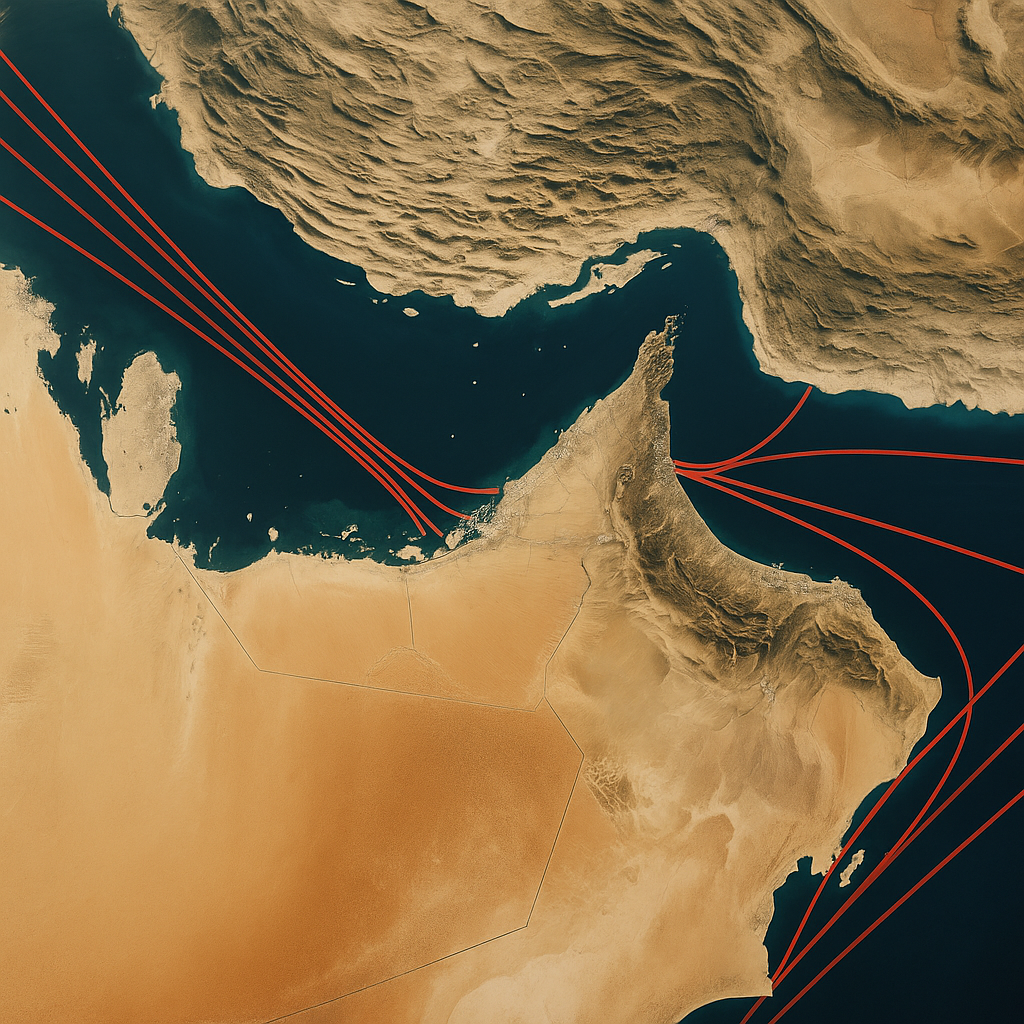
The Strait of Hormuz has long been a focal point of geopolitical tensions, housing one of the world’s most critical maritime chokepoints. Roughly 20% of global oil passes through these waters, making any disruption catastrophic for energy markets. Iran’s ability to leverage control over the strait has historically given it significant strategic advantage. However, actions like targeting desalination plants signal an escalation that could push the conflict into uncharted territory.
According to ABC News, tankers have already faced intermittent delays as the standoff continues, adding volatility to global oil prices. The White House, meanwhile, has pressed both NATO and Arab allies to intensify their efforts to resolve the situation.
Wider Implications and Global Concerns
If Iran follows through on its threats, the consequences could extend far beyond the Gulf. Energy markets would face heightened instability, potentially driving up prices and provoking further retaliatory action. Additionally, major cities like Riyadh, Dubai, and Abu Dhabi could experience unprecedented water shortages, creating cascading effects across sectors ranging from healthcare to manufacturing.
NaturalNews.com highlighted recent regional escalations, including Iran’s strike on Israel’s Haifa oil refinery. These incidents demonstrate Tehran’s willingness to target critical assets in response to perceived aggression. By attacking desalination infrastructure, Iran risks crossing a line that could provoke international condemnation—and potentially deeper military entanglements.
What’s Next: A Brewing Crisis to Monitor
The immediate future of the Gulf region remains uncertain, as both Washington and Tehran appear unwilling to back down. Industry analysts suggest that stakeholders should watch for a series of key developments:
- Any response from NATO and Gulf allies, particularly concerning infrastructure defense strategies.
- Oil and water market stability, as growing tensions could create supply chain disruptions.
- Environmental risks associated with potential strikes on power and desalination plants.
As tensions escalate, solutions must prioritize de-escalation and dialogue. In such a precarious situation, reliance on diplomatic channels may be the region’s only hope for averting catastrophic outcomes.
For now, the world watches with bated breath as the Gulf region teeters on the edge of this geopolitical crisis.