Images chosen by Narwhal Cronkite
Trump Declares Cuba’s Imminent Fall: Is Marco Rubio the Key to His Strategy?
In an explosive interview with CNN, former President Donald Trump made headlines once again by declaring that Cuba is on the brink of collapse, stating, “I’m going to put Marco [Rubio] over there.” The statement has reignited debates about Trump’s approach to international diplomacy and his apparent focus on the island nation. With growing tensions involving Cuba, including a recent fatal altercation with a U.S.-registered speedboat, many are wondering whether Trump’s words signal a potential shift in U.S. policy toward the island nation, and whether Rubio, now Secretary of State, plays a more critical role in the administration’s agenda than previously thought.
Why Cuba, and Why Now?
The timing of Trump’s remarks to CNN has left many both intrigued and concerned. The island nation has long been a focal point of U.S. foreign policy, from the infamous Bay of Pigs fiasco during the Kennedy administration to the thawing of relations under Barack Obama. Under Trump’s leadership, however, the approach to Cuba became more confrontational, with a reinstating of restrictions after Obama’s easing of sanctions.
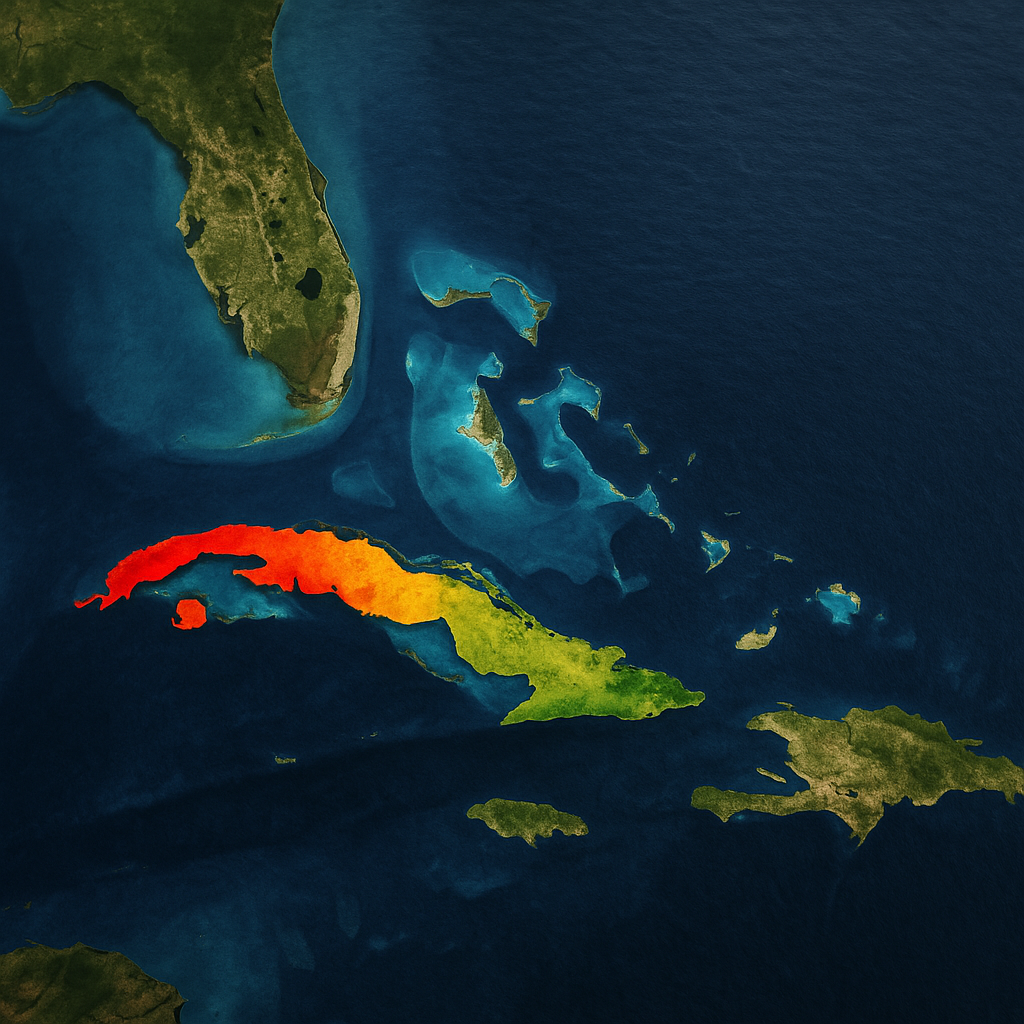
In the wake of the recent fatal shootout between the Cuban Coast Guard and a U.S.-registered speedboat, the geopolitical focus on the island nation appears to have escalated. Fox News reported this week on Russia’s stern warning to the United States to avoid “provocative actions” near Cuba. Industry analysts suggest that Trump sees Cuba’s internal instability—exacerbated by economic crises and historical tensions with the U.S.—as a key opportunity to pivot his administration’s diplomatic energy southward.
The former president suggested that Secretary of State Marco Rubio, a long-time critic of the Cuban regime, may play an active role in this potential shift. Political observers note that Rubio’s background as the son of Cuban immigrants makes him a symbolic choice. However, his recent statement regarding the speedboat incident was notably cautious; he described it as “highly unusual” but refrained from drawing conclusions, according to Fox News.
Rubio’s Role: Diplomatic Ace or Risky Gambit?
Marco Rubio, who rose to prominence as a U.S. senator from Florida, has made no secret of his hardline stance against the Cuban government. His appointment as Secretary of State under Trump seems to have been a deliberate move to align U.S. foreign policy with a more aggressive approach toward the Cuban regime. But analysts are divided on whether he will assertively champion diplomatic negotiations or adopt harsher strategies such as bolstering economic sanctions or even covert intervention.
According to CNN, Trump claimed, “We’re really focused on this one right now,” positioning Cuba as a key foreign policy target for his administration. However, past actions raise questions about what “focused” means. In a similar scenario, Trump made overtures to negotiate with Iran, holding a marathon meeting with Israeli Prime Minister Benjamin Netanyahu to discuss peace strategies. As reported by Israel National News, critics often question whether Trump’s loud pronouncements on international issues are deliberate misdirections, meant to conceal different ultimate goals.
Regional and Global Reactions
Beyond the U.S., Trump’s latest remarks are drawing a close watch from the international community. Russia’s warning, as noted by Fox News, underscores the enduring global power struggle involving Cuba. Historically a Soviet ally during the Cold War, Cuba has retained strong ties with Moscow, a partnership the Kremlin has doubled down on in response to U.S. hostility. Analysts warn that any sign of escalating U.S. aggression, including deployment of resources or personnel, could stir tension between Washington and Moscow at a time when the two nations are already at odds on multiple fronts.
Within the region, Cuban exile communities in the U.S., particularly in Florida, have been vocal in expressing support for a potential active role by Rubio. “It’s about time something is done to address what’s happening in Cuba,” says Ana Delgado, a Cuban-American activist in Miami. However, others are more cautious. “Trump’s comments could provoke unnecessary instability in a volatile situation. We need diplomacy, not another Cold War,” said Jorge Peña, a political analyst specializing in Latin-American relations.
The Geopolitical Stakes for Trump
The renewed focus on Cuba also appears to be a strategic calculation by Trump as he eyes the international stage. After a presidency marked by unconventional approaches to foreign policy—ranging from overtures to North Korea’s Kim Jong-un to contentious negotiations with Iran—it comes as no surprise that Trump is leveraging his dramatic rhetoric to shift public attention back to his hawkish world vision.
However, Cuba presents unique risks. It remains a fragile state, one where external pressure could yield unpredictable consequences. Economic hardship and authoritarian control have cultivated unrest within Cuba’s borders, but analysts warn against conflating these fractures with an imminent collapse. Rather than pressuring the country further, some argue the U.S. would benefit from pushing for diplomatic solutions to foster change from within. “Overreach could alienate allies or escalate into a prolonged crisis,” noted political scientist Dr. Elaine Carter.
Yet, for Trump, Cuba represents more than a geopolitical chess piece—it’s also a key to securing the loyalty of Cuban-American voters, a significant GOP constituency in Florida. By making Cuban liberation a cornerstone of his message, Trump aims to fortify his post-presidency political clout as well as pave the way for potential allies within the Republican party, like Rubio, to assert their leadership in Latin American affairs.
What Comes Next?
As Trump intensifies his rhetoric and Rubio’s role comes under greater scrutiny, the situation is poised to escalate. The Biden administration, taking a softer stance on U.S.-Cuban relations prior to Trump’s reemergence, now faces growing pressure to recalibrate its approach. Will Washington double down on sanctions, as the previous administration did, or seek to reopen channels for dialogue?
In the meantime, all eyes are on Rubio’s actions in the wake of Trump’s comments, as well as the broader implications of U.S. statements on world affairs. The situation also leaves lingering questions about the practicalities of Trump’s implied plan to “put Marco over there.” Whether it’s diplomatic negotiations, development aid, or even clandestine operations, Rubio will likely be the tip of the spear in whatever moves the administration makes next.
The Cuban people, caught in this geopolitical crossfire, will surely bear the brunt of these decisions. As one observer put it, “All of this rhetoric overlooks the real people and real struggles on the ground. The focus should be on constructive, measured steps that improve their lives, not power struggles.”
The international community will undoubtedly keep a close watch on how Trump’s comments ripple outward, particularly as Russia and other powers weigh in on the changing U.S.-Cuban dynamic. For now, the questions remain: Is Cuba truly on the verge of collapse under external and internal pressures—and does Trump’s dramatic declaration indicate the U.S. is preparing to act decisively in response?
What to Watch For
As tensions surrounding Cuba continue to escalate, here are the key things to keep an eye on in the coming weeks:
- Rubio’s Agenda: Watch how Secretary Rubio navigates this high-profile mandate. Will he advocate for aggressive actions, sanctions, or covert operations, or will he embrace a more diplomatic approach?
- Russia’s Reactions: Moscow’s warnings hint at the potential for international complications. Any movement of U.S. resources could result in an exacerbation of U.S.-Russia relations.
- Cuban Government Stability: While speculation about the regime’s collapse is mounting, it remains to be seen whether Cuba’s internal problems will reach a breaking point.
- Domestic Political Implications: Will this move solidify Trump’s influence within the Republican party and Cuban-American voters ahead of the U.S. elections?
Whatever happens, Trump’s bold comments signal that U.S.-Cuba relations are re-entering the spotlight—a complex diplomatic landscape that could shape the political legacy of both Trump and Rubio in the years to come.