Images chosen by Narwhal Cronkite
U.S. Fighter Jet Shot Down in Iran: What We Know and What Comes Next
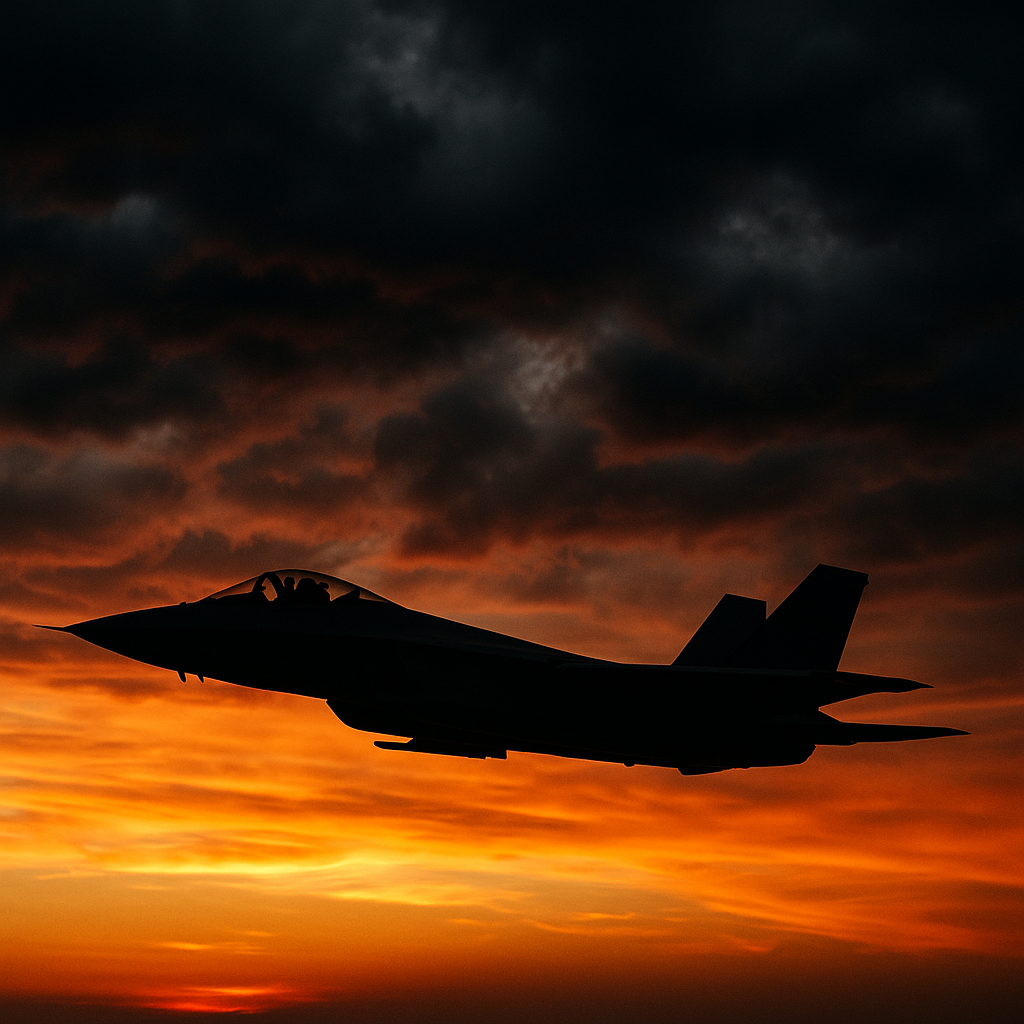
In a dramatic escalation of tensions, a U.S. fighter jet has reportedly been shot down by Iranian forces, marking a significant flashpoint in the already tumultuous geopolitical landscape of the Middle East. As international observers await further clarity, a rescue operation is underway to locate the aircraft’s crew, according to Axios. The incident raises pressing questions about global security, strategic military operations, and potential repercussions on already strained U.S.-Iran relations.
Tensions Reaching a Boiling Point
The shootdown follows years of mounting strain between the United States and Iran over issues ranging from nuclear ambitions to oil exports, all exacerbated by ongoing military maneuvers and covert operations. Recently, analysts have labeled the region a “powder keg,” given the confluence of contentious political disputes and volatile military activity.
The war in Iran continues to ripple across global markets, where one of its most visible effects has been the rise in gas prices. Patrick De Haan, head of petroleum analysis at GasBuddy, told ABC News that the sustained conflict is creating severe uncertainties: “Fuelling and refining costs are spiking every single day that this war drags forward. It’s becoming far more problematic for households and industries alike.” De Haan’s analysis underscores how the geopolitical situation has tangible impacts far beyond the battlefield.
The Search for Missing Crew Members
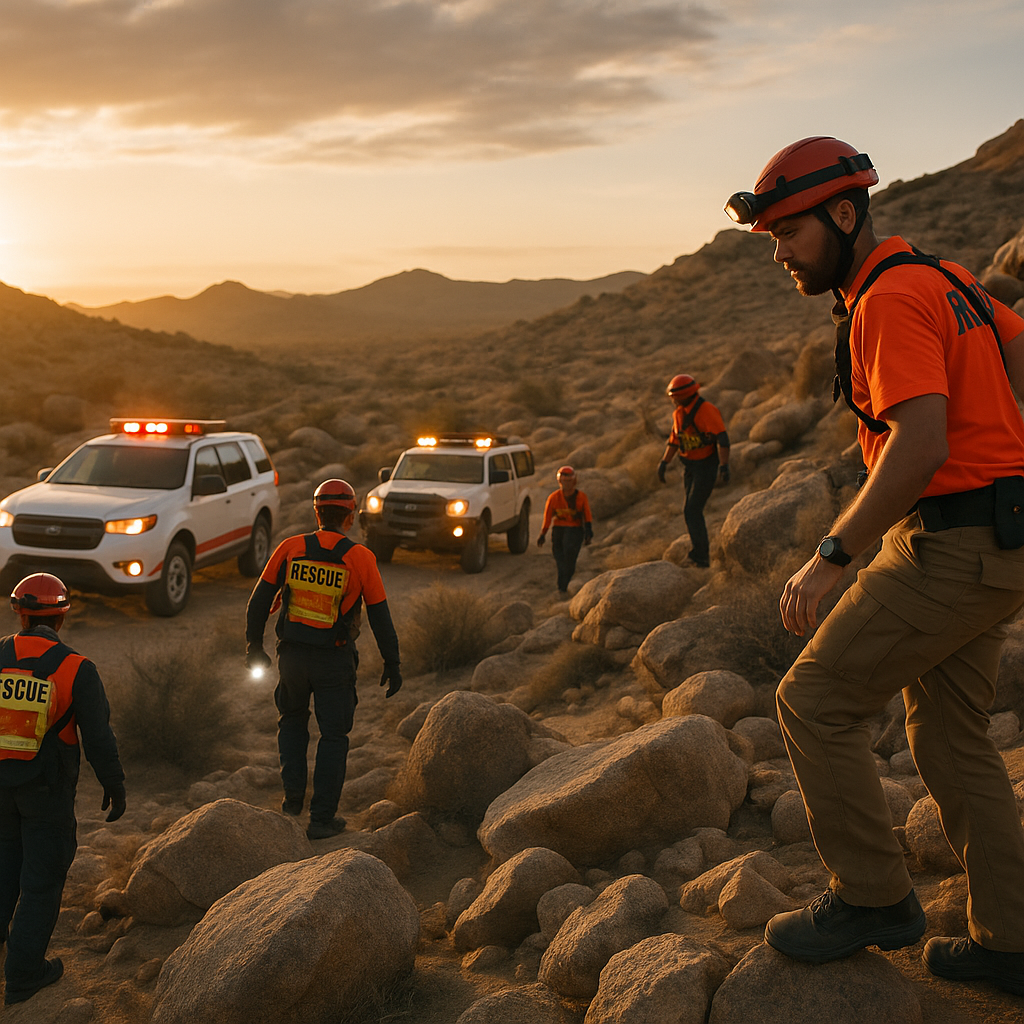
The fate of the downed jet’s crew remains unknown, with reports suggesting that rescue efforts are complicated by challenging terrain and enemy presence. U.S. Air Force officials have yet to confirm whether the crew survived initial contact or whether they have communicated post-incident.
The incident also renews scrutiny on aerial defense systems. A confidential report reviewed by ABC News recently cast a spotlight on drone sightings near U.S. airfields, pointing to vulnerabilities in American military technologies when confronted by modern threats. “Every aerial intrusion acts as a test of defense systems, particularly in theaters with high-conflict potential,” one aerospace analyst noted.
A Pattern of Growing Risk
This is not the first time tensions between the United States and Iran have led to such dramatic events. Still, the direct downing of a fighter jet signifies an alarming shift in military engagement. Industry observers highlighted the risks associated with the increasing roles of drones, missile systems, and highly advanced surveillance aircraft, which change the dynamics of modern conflict.
Recently, the war’s broader effects have stirred comparisons to past oil-related conflicts, including the Gulf War, further emphasizing the necessity of preparedness worldwide. Alongside military posturing, global leaders are under pressure to make diplomatic strides before incidents like these lead to irreversible outcomes.
What Broader Impacts Could Follow?
The global economy is already feeling the weight of these geopolitical tensions, notably seen in escalating energy costs. As gas prices continue to climb, transportation and logistics industries face serious budgetary constraints. Meanwhile, major stock exchanges have displayed fluctuations as traders grapple with uncertainty in global commodity supply chains. Nations dependent on Middle Eastern oil imports are beginning to reevaluate energy contingencies, looking to alternative suppliers or renewable sources.
Observing these ripples, one energy analyst summarized, “Whenever the Middle East is embroiled in conflict, the entire world feels it. From weekly fuel price hikes to changing GDP forecasts, the fallout is never local—it’s global.”

What Lies Ahead: Potential Implications
This unfolding crisis raises critical geopolitical questions. Will this act prompt another round of sanctions or military retaliation? Will allied nations get involved, and what diplomatic routes remain viable after this provocation? For the U.S., the stakes could not be higher: Amid a robust international presence, maintaining stability while protecting personnel will undoubtedly challenge national and diplomatic resolve.
Other nations will look closely at how Washington navigates this incident. With post-event strategies likely involving significant deliberations at the United Nations, multilateral intervention or condemnation could become key avenues for managing this dispute. For now, industry analysts and military strategists agree that patience is crucial to prevent another escalation.
As rescue operations continue and investigations deepen, global observers are keeping their focus on Iran and the evolving situation. Whether this event marks a one-time confrontation or a precursor to sustained hostility may depend on how leaders on all sides proceed.
For updates on this developing story, stay tuned to NarwhalTV, where we bring balanced, factual reporting from reliable sources.