Images chosen by Narwhal Cronkite
U.S.-Iran Talks End with No Agreement, Vance Says
In a highly anticipated attempt to de-escalate tensions in the Middle East, peace talks between the United States and Iran hosted by Pakistan ended without an agreement, according to U.S. Vice President J.D. Vance. This result raises critical questions about the future of U.S.-Iran relations, regional stability, and global energy markets. While the lack of progress is disappointing to many observers, analysts say it reflects the entrenched challenges that have long plagued U.S.-Iran negotiations.

Protracted Conflict and Rising Pressures
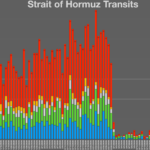
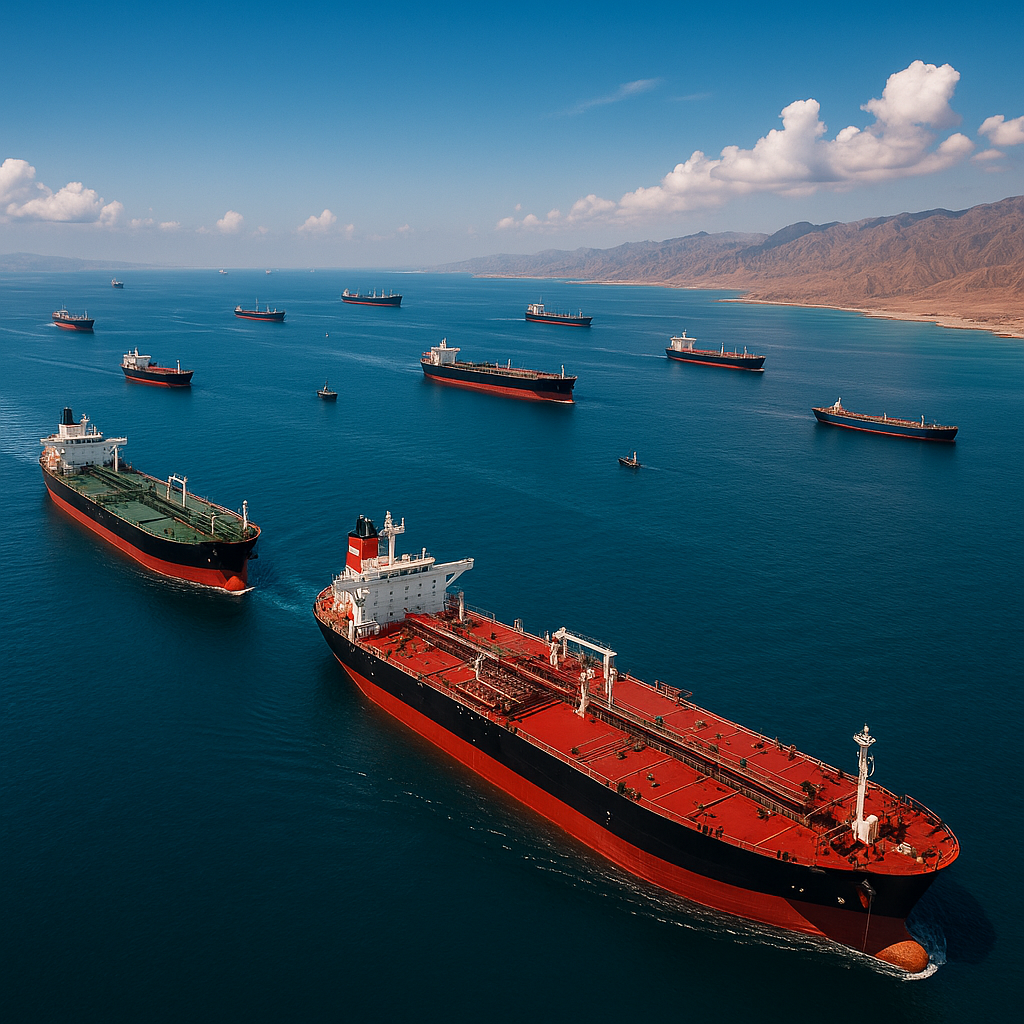
The Islamabad meeting, held on April 11, marked the latest in a series of attempts to mitigate an escalating crisis in the Middle East precipitated by ongoing military strikes and mounting economic sanctions. According to NPR, Pakistan played host to the negotiations after weeks of intensive behind-the-scenes diplomatic efforts. The stakes were high: a resolution could have helped quash unrest and reopen critical shipping routes in the Strait of Hormuz, through which one-fifth of global oil supply flows.
However, despite these circumstances, the disconnect between the U.S. and Iranian delegations was palpable. Vice President Vance confirmed that discussions concluded without a deal, although he refrained from detailing specific sticking points. “Both sides remain very far apart on core issues,” he noted in a press conference held shortly after the talks. Experts believe the failure to reach an agreement may deepen distrust between the two nations and exacerbate tensions in the region.
Dueling Narratives and Domestic Political Pressures
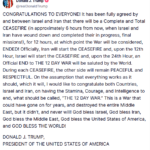
The diplomatic stalemate comes amid clashing public narratives from Washington and Tehran. Last month, U.S. President Donald Trump claimed Iran was eager to strike a deal to end the ongoing war, as reported by BBC News. However, Iranian officials quickly dismissed the claim as “fake news.” Adding to the strain, President Trump has criticized Iran for allegedly failing to uphold its obligations concerning oil shipments through the strategically vital Strait of Hormuz.
“Iran’s leadership is playing a very dangerous game, and frankly, they’re doing a poor job managing their responsibilities,” Trump said last Thursday, as quoted by ABC News. Conversely, Iranian leaders argue that U.S.-led sanctions and provocations have made meaningful dialogue virtually impossible. This political posturing complicates efforts for genuine collaboration at the negotiating table.
Key Obstacles in the Path to Peace
At the heart of the deadlock are deep-seated disagreements over sanctions, regional military activity, and nuclear policy. For Iran, lifting U.S. sanctions—particularly those targeting its critical oil sector—remains the primary precondition for any compromise. Conversely, the U.S. insists that Iran first prove its commitment to de-escalation by curbing military operations and ensuring secure passage through the Strait of Hormuz.
Analysts note that these positions are not new. “The U.S. and Iran are almost playing a game of chicken, waiting to see who blinks first,” said a senior Middle East analyst from the Wilson Center. “Neither side wants to give concessions without tangible guarantees from the other.” This standoff suggests that even with continued talks, a breakthrough might require significant external pressure or shifts in domestic political calculus on either side.
Implications for Global Energy Markets
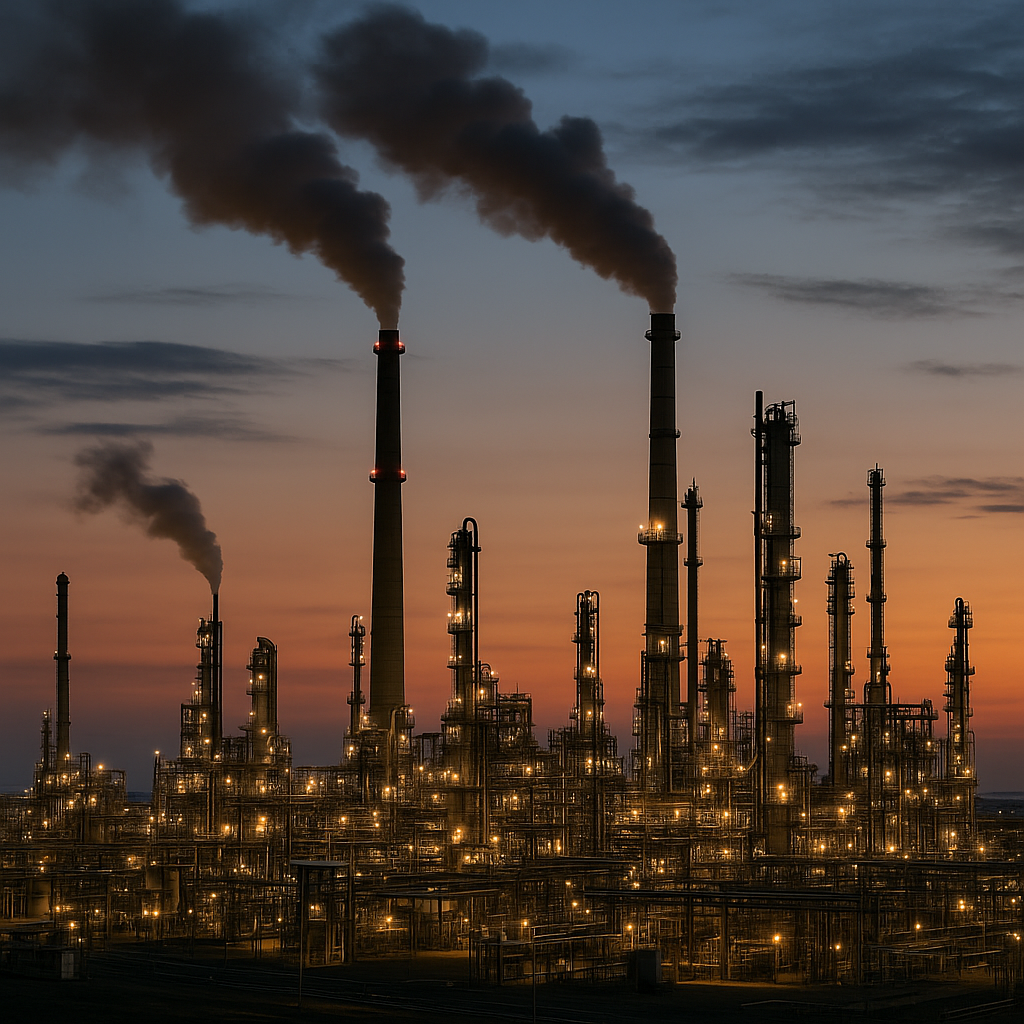
The strained relations between the U.S. and Iran are causing ripple effects far beyond their borders, particularly in the global energy sector. The stalemate over the status of the Strait of Hormuz—a critical chokepoint for global oil transit—has already raised prices as traders hedge against potential supply disruptions. Any escalation in military activity or new sanctions targeting Iran’s oil exports could further destabilize markets.
“Uncertainty in the geopolitical landscape always puts upward pressure on oil prices,” said a commodities strategist at Goldman Sachs. “And with no resolution in sight, these tensions could have long-term economic consequences for both producers and consumers.” For countries reliant on Middle Eastern oil, including key Asian importers like China and Japan, the stakes are especially high.
What to Watch for Next
Although the Islamabad talks failed to yield immediate results, diplomatic efforts are likely to continue. Observers are closely watching for signs of new behind-the-scenes negotiations and whether either side adopts more flexible policy stances. Additionally, the U.S. presidential campaign season may influence the administration’s approach, with candidates from both parties likely to use the Iran issue as a focal point for debate.
For now, the region remains on edge, and global stakeholders are bracing for further developments. Whether through renewed talks, external mediation, or intensified economic leverage, the road to peace remains uncertain—yet undeniably crucial for global stability.