Images chosen by Narwhal Cronkite
Uber’s Groundbreaking ‘Women Preferences’ Feature: A Step Towards Safer Rides?
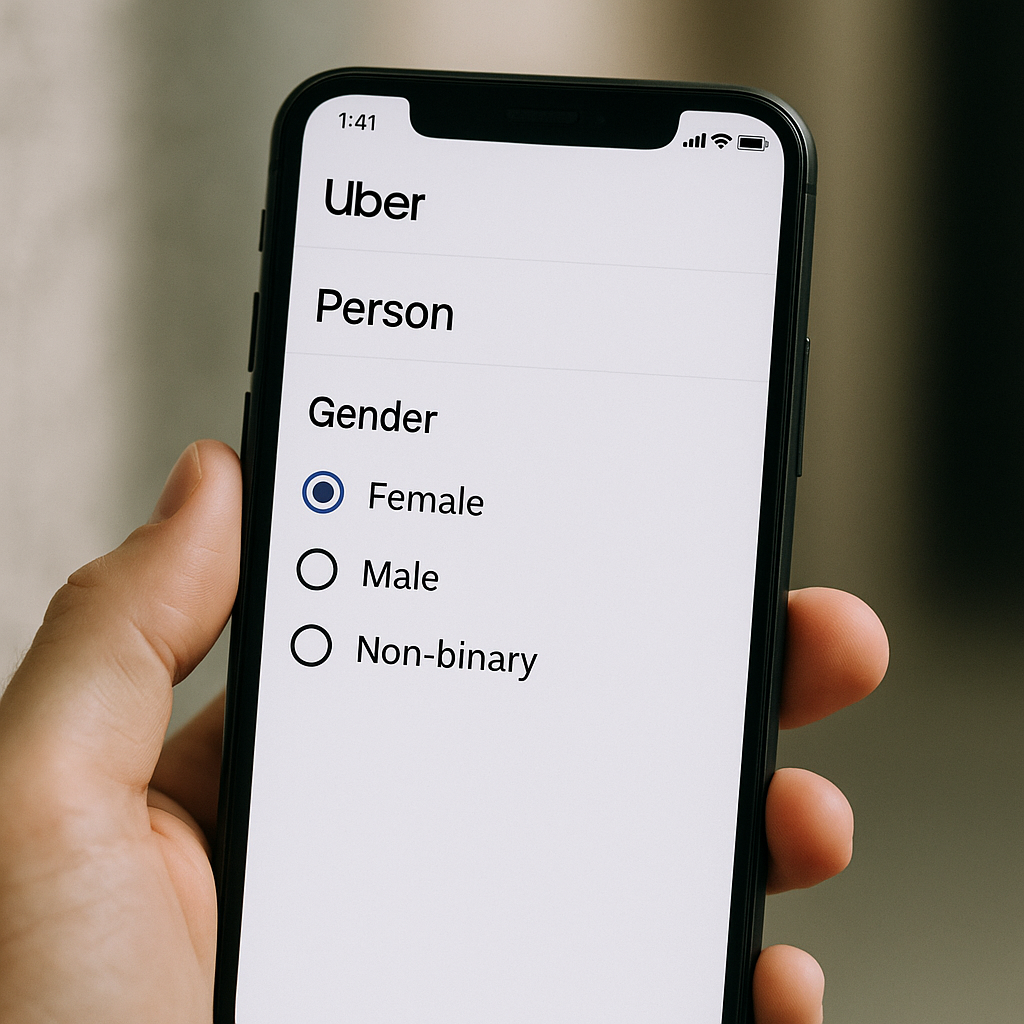
In a pioneering move towards greater safety and comfort, Uber has expanded its ‘Women Preferences’ feature across the United States and several countries worldwide. This feature, allowing women to exclusively request female drivers and riders, has generated significant attention and conversation in the tech and transportation sectors. Does this initiative signal the beginning of a more gender-conscious era in ride-sharing, or does it pose challenges for logistical efficiency?
Why Gender-Specific Pairing Matters
The introduction of the ‘Women Preferences’ feature is rooted in a well-documented concern for safety within ride-sharing platforms. According to Reuters, studies have shown that female passengers often feel more secure when paired with drivers of the same gender. This sentiment aligns with broader efforts to address harassment and assault risks in the gig economy—issues that have long plagued services like Uber and its competitors.
Uber VP of Operations, Camiel Irving, explained the company’s approach: “We tested, listened, and refined the feature in markets like Germany and France, adapting the feature to real-world rider and driver behaviors.” By giving women riders and drivers control over their pairing preferences, Uber aims to create an ecosystem that prioritizes comfort without compromising choice.
However, industry analysts caution that this move introduces logistical challenges, such as potentially increased wait times in less populated areas where female drivers might be scarce. The company has tried to address this concern by allowing users to opt for faster pickup times if female drivers are unavailable.
Global Rollout and Local Impact
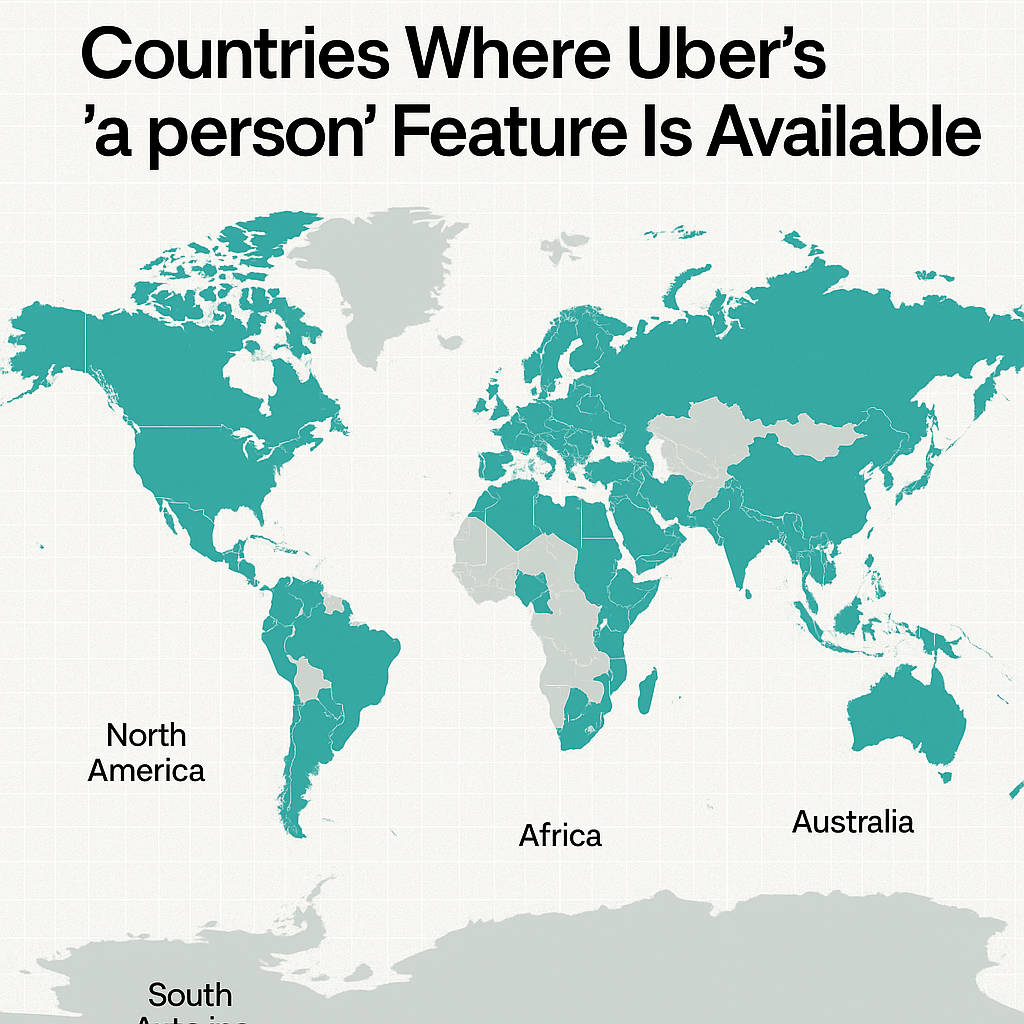
First piloted in Los Angeles, San Francisco, and Detroit in mid-2025, the feature has since been refined and expanded to riders in seven countries and drivers in over 40. The global rollout includes nations like Germany, Spain, Brazil, Saudi Arabia, and the US. According to TechCrunch, this is part of a broader strategy to cater to cultural nuances, especially in regions like Saudi Arabia, where women have only recently gained the legal right to drive.

The feature’s debut follows years of streamlined testing to ensure functionality across diverse markets. “We wanted to ensure this wasn’t just a feature for wealthy urban centers—but something applicable across all demographics,” said Irving during a press announcement.
Globally, women’s safety in ride-sharing has been a recurring issue, with cases of harassment and violence periodically surfacing in the media. For instance, law enforcement reports in cities like New York and London have cited instances where female passengers experienced harassment in cabs and ride-shares. Resolving these concerns successfully could shift the narrative around ride-sharing safety in favor of Uber.
Benefits and Trade-offs
From a business perspective, the feature offers significant potential for increased trust and usage among women, who make up a substantial portion of Uber’s rider base. Analysts suggest that this could also attract female drivers to the platform, thus expanding Uber’s workforce demographics in areas where women participation has traditionally been low.
However, there is a balancing act involved. While the feature offers autonomy and choice, it could inadvertently lead to longer wait times or fewer options in regions with low availability of female drivers. Notably, some critics highlight concerns about maintaining an equitable experience for non-female riders and drivers, particularly in smaller markets.
“It’s a smart strategy from a safety perspective, but scalability and regional logistics might limit its effectiveness,” explained Avi Grewal, a senior analyst at WaveTech Solutions.
Industry Reactions
Tech enthusiasts and industry professionals have shown mixed reactions to Uber’s announcement. While some applaud the company’s genuine effort to address gender-specific needs, others question the broader implications for inclusivity.
As reported by Forbes, companies like Lyft are reportedly exploring similar measures, suggesting this could become a standard feature in the ride-sharing industry. At the same time, many observers point out that segmenting drivers and riders by gender might inadvertently reinforce stereotypes or even alienate some users.
Still, experts agree that Uber’s initiative has opened up an important dialogue about gender-conscious service design. “This isn’t just about ride-sharing; it’s about how tech companies can better adapt their platforms to the societal need for safety,” said Dr. Elena Chen, a sociologist specializing in urban transport.
What Comes Next?
As Uber’s new policies take root across different markets, it remains to be seen how successful the ‘Women Preferences’ feature will be in minimizing safety concerns and maintaining platform efficiency. Key aspects to watch will include user adoption rates, overall satisfaction metrics, and expansion to additional countries.
For now, this marks a significant evolution in how ride-sharing platforms operate—and how they respond to cultural and safety concerns. If implemented successfully, it could prompt broader opportunities for innovation across other gig-economy services.
“It’s encouraging to see Uber take proactive steps,” said Chen. “But the tech sector must remember that addressing one problem sometimes creates another. The balance will be critical.”
With this in mind, the future of gender-conscious features in ride-sharing isn’t just about technology; it’s about fostering trust in an increasingly interconnected world.