Images chosen by Narwhal Cronkite
UK Blocks Trump’s Plan to Use RAF Bases for Iran Offensive
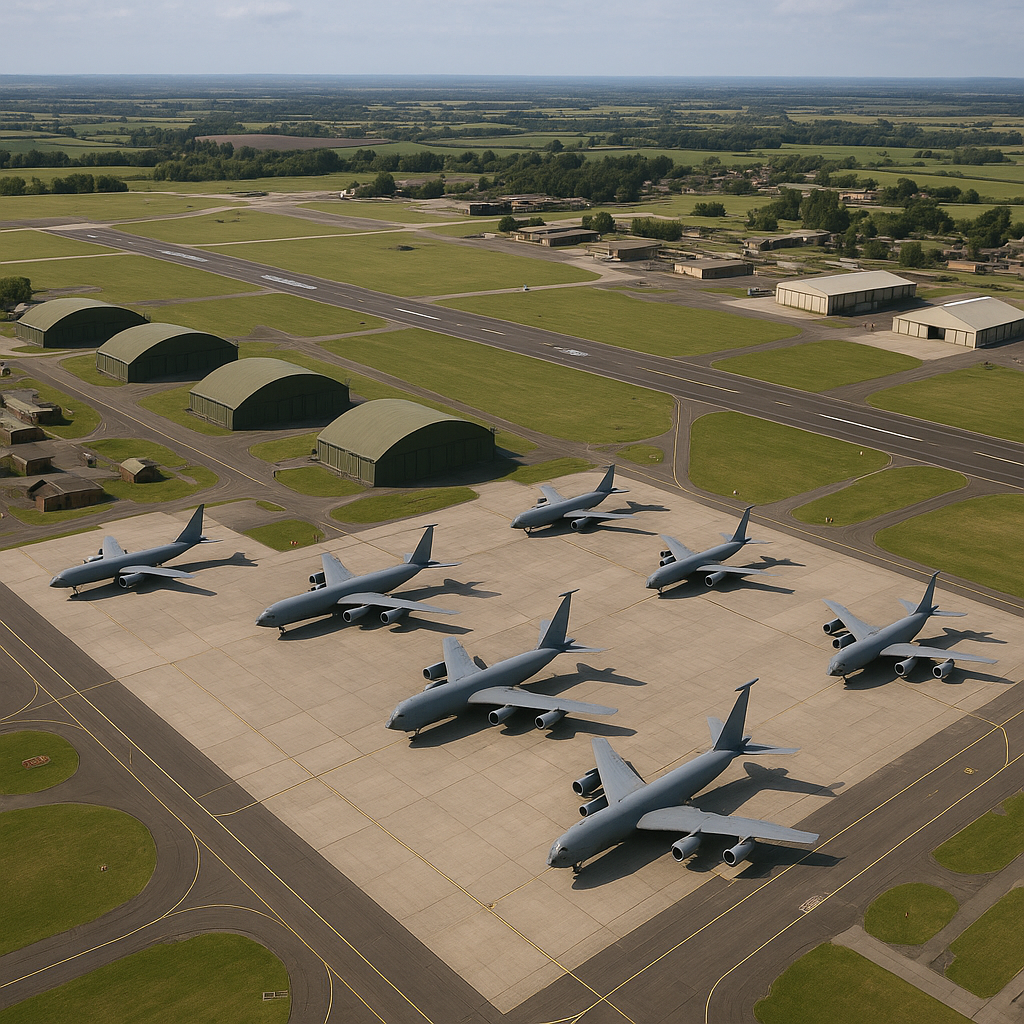
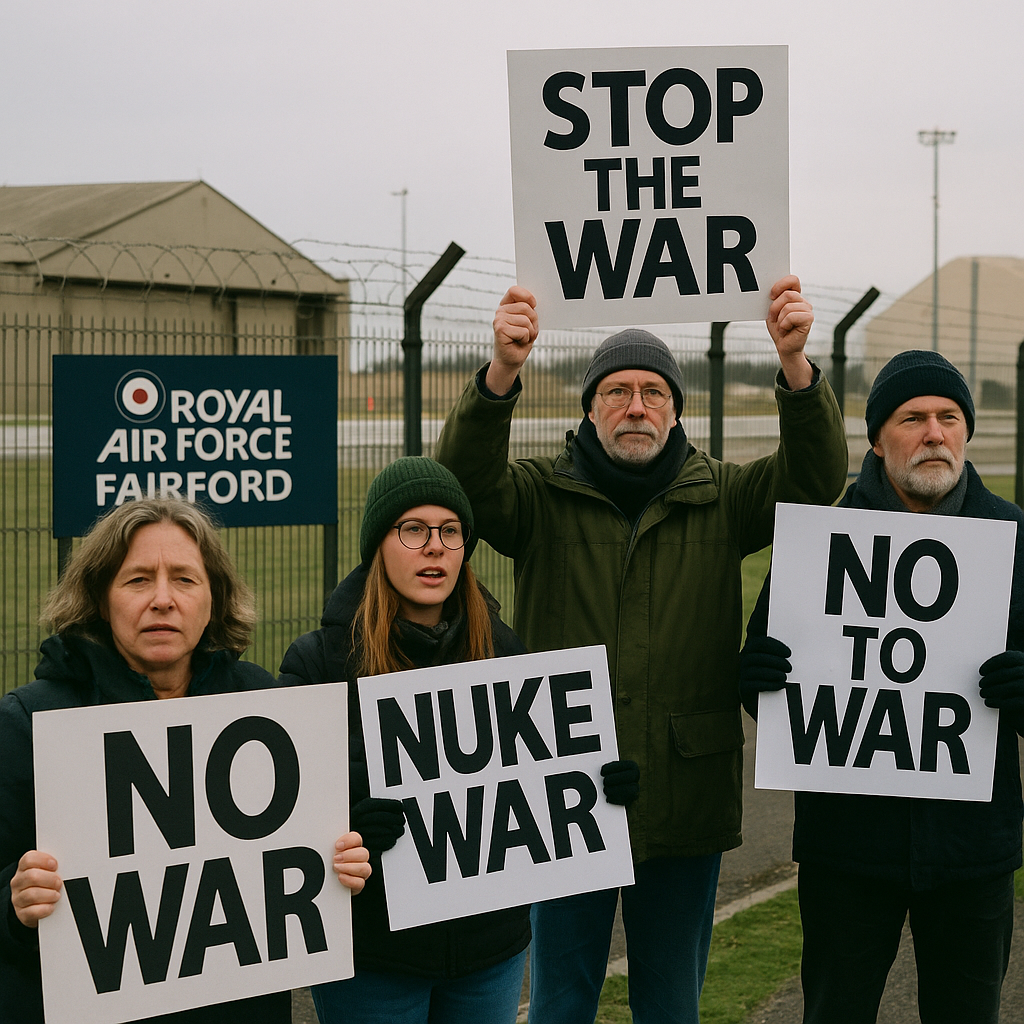
The UK Government has reportedly declined a request from former US President Donald Trump to use its military bases for a potential strike on Iran—a move that signals growing international resistance to escalatory tactics in global affairs. By firmly closing the door on the proposed use of RAF Fairford and Diego Garcia, the UK Government has drawn attention to the legal and ethical underpinnings of its decision, setting the stage for broader discussions about the intersection of military power and international law.
Why Did the UK Say No?
According to The Times, the UK’s refusal is anchored in concerns about violating international law. Under legal statutes, a supporting nation can be deemed complicit in an “internationally wrongful act” if its assistance is tied to the knowledge that the act breaches said laws. RAF Fairford and Diego Garcia, both critical airfields jointly operated with US forces, require explicit UK government approval for any military operation conducted from their bases. A government spokesperson reinforced this point, stating, “As a matter of routine, we do not comment on operational matters.”
Observers highlight the importance of maintaining legal neutrality when weighing military decisions. “The refusal underscores the UK’s commitment to international law principles,” noted Jane L. Michaels, an international relations expert. “Governments making these choices are signaling that national restraint does not equate to weakening alliances—it simply means ensuring long-term legal and diplomatic legitimacy.”
Trump’s Reaction: Strategic Blame and Political Rhetoric
In response to the UK’s stance, Trump lambasted Britain’s handling of the Chagos Islands sovereignty issue, showcasing how the refusal to access RAF bases has triggered broader political fallout. Trump used his Truth Social platform to insist that Diego Garcia should remain under US control, criticizing what he called “wokeism” and “weakness in leadership.” He stated, “Should Iran decide not to make a deal, it may be necessary for the United States to use Diego Garcia to eradicate potential attacks on allies, including the UK.”
Trump’s remarks illustrate how military disagreements can quickly spiral into ideological disputes. Analysts suggest that using cultural buzzwords such as “wokeism” detracts from the crucial strategic discussions at hand. Dr. Emily Kingston, a political analyst, explained, “This approach risks oversimplifying complex geopolitical realities, making it harder to engage in cooperative resolution with allied nations.”
The Broader Context: Global Dynamics of Military Operations
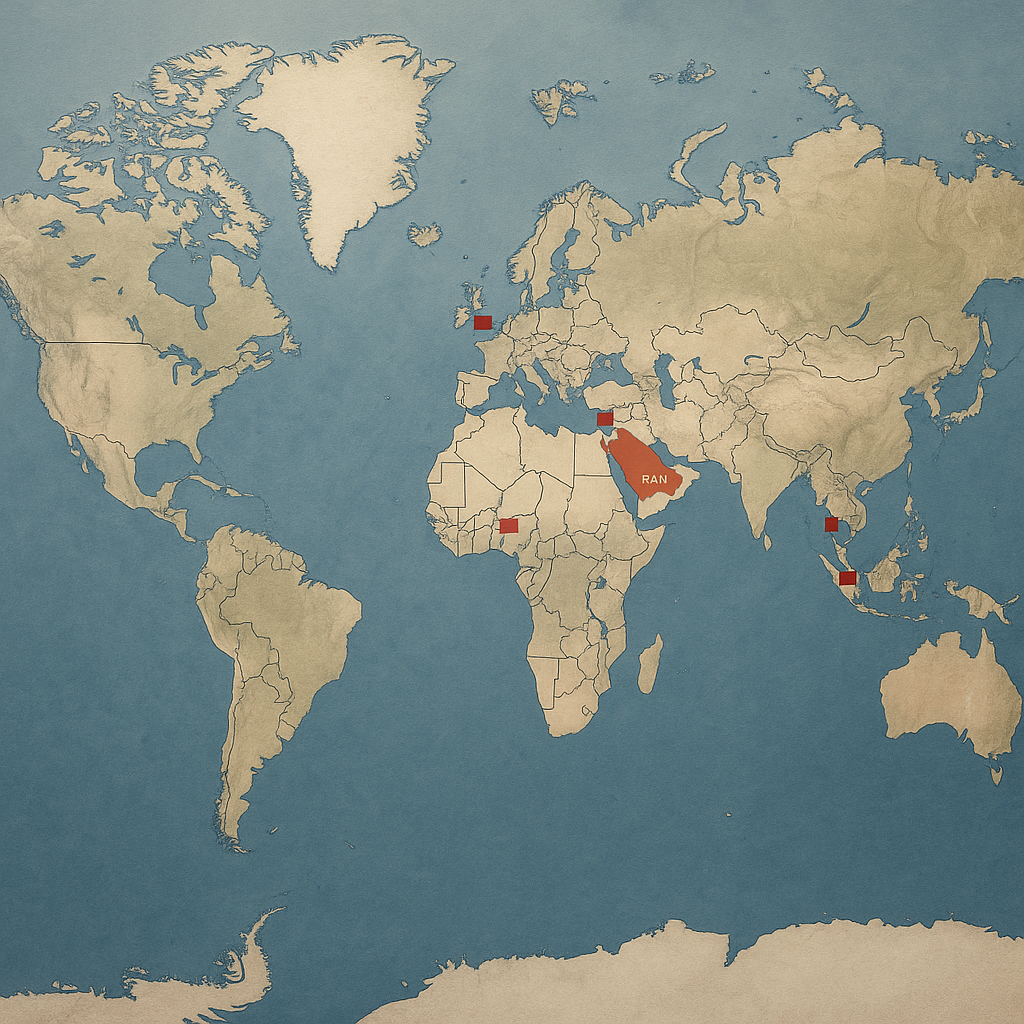
Trump’s efforts to mobilize allied military bases are not unfolding in isolation. Across Europe, resistance to US-led military initiatives against Iran is growing. As reported by Al Jazeera English, Spain has refused to allow the US to utilize its bases, with President Pedro Sánchez doubling down on its opposition to escalatory action. A corresponding statement from the European Commission declared the EU was “ready to defend interests” amidst Trump’s trade threats.
The increasing pushback suggests a more cautious global attitude toward military interventions in volatile regions. “The reluctance from nations like the UK and Spain highlights concerns over destabilizing key geopolitical zones,” according to one regional expert interviewed for this piece. Countries are likely analyzing the long-term implications of military entanglements for diplomatic ties and regional security frameworks.
Implications for UK-US Relations
The refusal to grant US access to UK military assets could tug at the historically close-knit alliance between the two nations. Historically, cooperation in military campaigns, surveillance operations, and nuclear deterrence drives UK-US relations. This decision marks a rare public-facing challenge to Washington’s ambitions, suggesting Britain may prioritize international law above allied expectations under specific conditions.
However, this does not necessarily signal a long-term fracturing. Scenarios like these are often handled through quiet diplomacy. “While disagreements in policy strategies arise, NATO allies frequently develop mechanisms for managing strategic differences,” stated Victor Reid, a foreign policy researcher. He noted that precedents exist for balancing operational autonomy with alliance integrity.
What Comes Next: Key Areas to Watch
As tensions remain high between Iran and the United States, global observers await several critical developments. First and foremost is whether Trump’s push for action intensifies in the absence of allied support. The decision-making processes in NATO countries—especially those with bases pivotal to military operations—will be closely watched.
Diplomatically, the refusal has sparked renewed focus on the UK’s role as a middle-ground interlocutor in US-Iran relations. The balancing act between supporting US-led initiatives and ensuring legal adherence is delicate but increasingly pertinent in times of geopolitical instability.
Lastly, the role of international law remains a centerpiece of this dialogue. Observers will track whether legal objections, like those expressed by Britain, become decisive factors for other nations debating intervention. A clearer global stance on the boundaries of military action may emerge as debates play out on the world stage.
Regardless of the immediate outcomes in this strategic chess game, the ripple effects on military alliances, diplomatic negotiation, and the interpretation of international law remain profound.