Images chosen by Narwhal Cronkite
Ukraine Has ‘Irrefutable’ Evidence of Russian Intelligence Support to Iran, Zelenskiy Says
Tensions on the international stage escalated this week as Ukraine’s President Volodymyr Zelenskiy claimed Kyiv possesses “irrefutable” evidence linking Russia to intelligence-sharing operations with Iran. Delivered amidst already strained relations between major powers, this allegation adds a new layer of complexity to global geopolitics. The potential implications could span far beyond the two nations involved, setting the stage for intense diplomatic maneuvering.
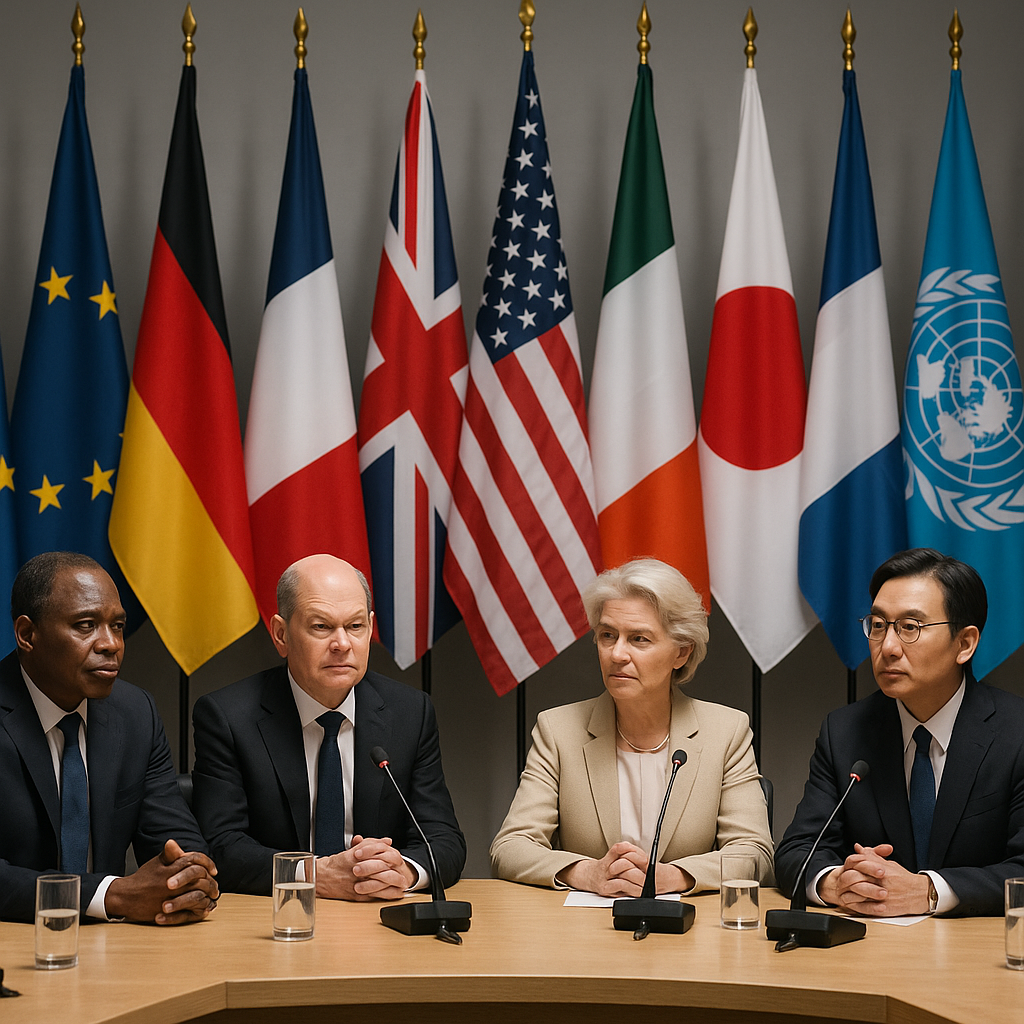
Ukraine’s Allegation: Breaking Down the Evidence
According to Zelenskiy’s recent statement, Ukraine has concrete proof that Moscow is engaging in intelligence sharing with Tehran. While the precise nature of the evidence remains undisclosed, Zelenskiy emphasized its credibility. Speaking to Ukrainian media outlets, he asserted, “This is not speculation. Our findings are backed by undeniable documentation.”
This claim follows ongoing reports of military and intelligence cooperation between Russia and Iran, which have notably ramped up since the start of the war in Ukraine. Among the suspected collaborations is Iran’s supply of drones to Russia, which has reportedly been used in the conflict. The Kremlin has repeatedly denied such allegations, while Iran has asserted that its military exports are “defensive technologies” unrelated to the conflict.
Observers note that the timing of the disclosure is significant, coming as global powers grapple with the broader implications of a fortified Russia-Iran relationship. Should the evidence be confirmed independently, it could invoke additional sanctions or prompt further isolation of both nations on the global stage.
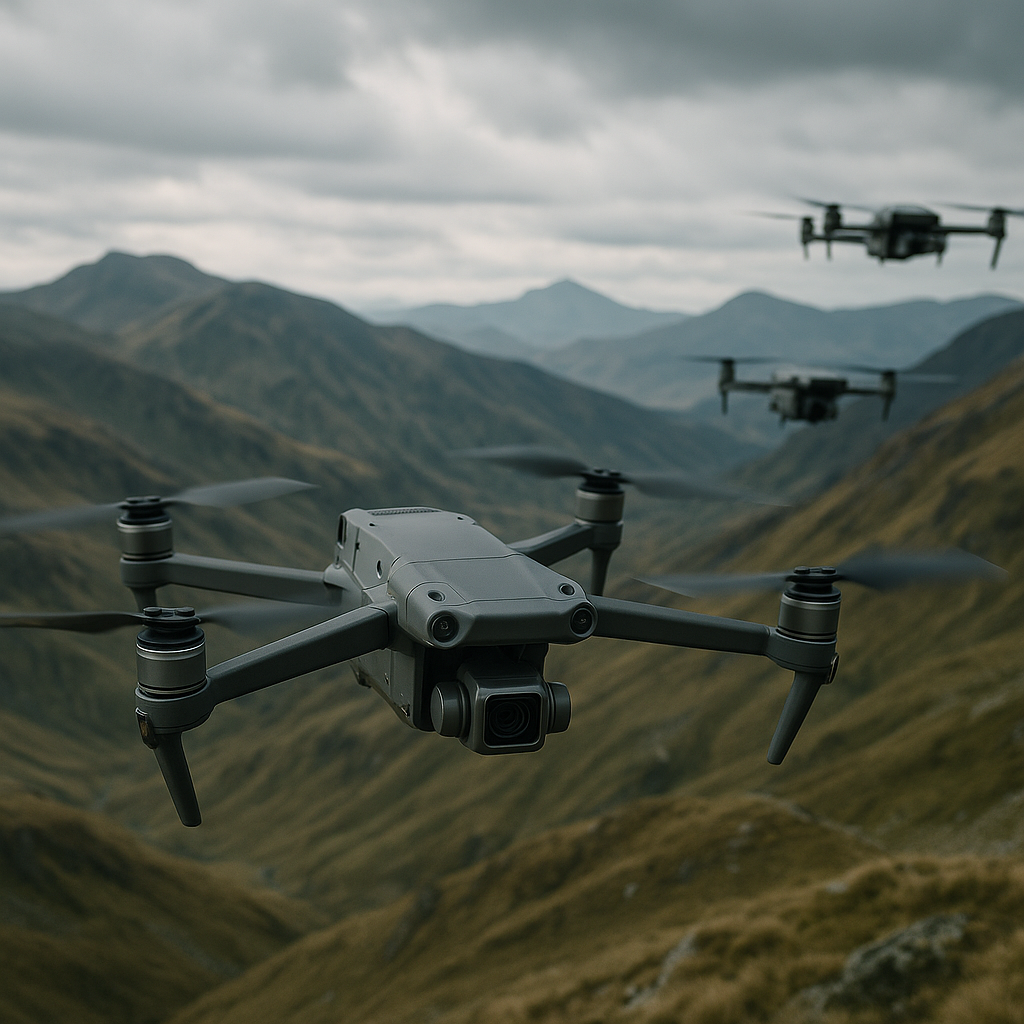
Historical Ties Between Russia and Iran
The ties between Moscow and Tehran are neither new nor unexpected. Historically, Russia and Iran have found themselves aligned on several issues, including shared opposition to Western influence and NATO expansion. Analysts note that their partnership is often pragmatic rather than ideological, with both sides leveraging opportunities to enhance their strategic positions.
Since 2022, reports have indicated that the relationship grew more transactional, particularly in response to Russia’s war in Ukraine. United States officials have alleged that Iran provided hundreds of Shahed-136 drones to Russia last year. These drones have been widely identified as a significant threat on the battlefield, capable of targeting Ukrainian energy infrastructure.
The intelligence-sharing aspect now alleged by Kyiv could represent a deeper layer of coordination between the two nations, potentially involving surveillance data or guided targeting systems. “Russia and Iran form a symbiotic partnership,” commented Peter Rodgers, a security analyst. “While Russia needs affordable drones and other military assets, Iran benefits by testing weapons under real operational conditions—boosting its defense capabilities and economic sector.”
Global Reactions and Strategic Implications
The global community has closely monitored Russia and Iran’s growing partnership, particularly amid sustained sanctions aimed at isolating both nations. If Ukraine’s claims are verified, it would likely prompt fierce condemnation from Western nations. Economic sanctions on both countries could subsequently be expanded.
The United States and the European Union have already imposed numerous limitations on Iran, citing its drone supply in Ukraine. Moscow, for its part, has been targeted with a growing list of penalties in response to its invasion of Ukraine. In recent months, NATO and the G7 have repeatedly accused both nations of destabilizing regional security.
However, some nations have shown a more measured perspective. India and China, for instance, maintain ties with Tehran and Moscow, citing strategic and energy concerns. For these nations, interpreting Ukraine’s evidence might require independent verification before reshaping their policies.
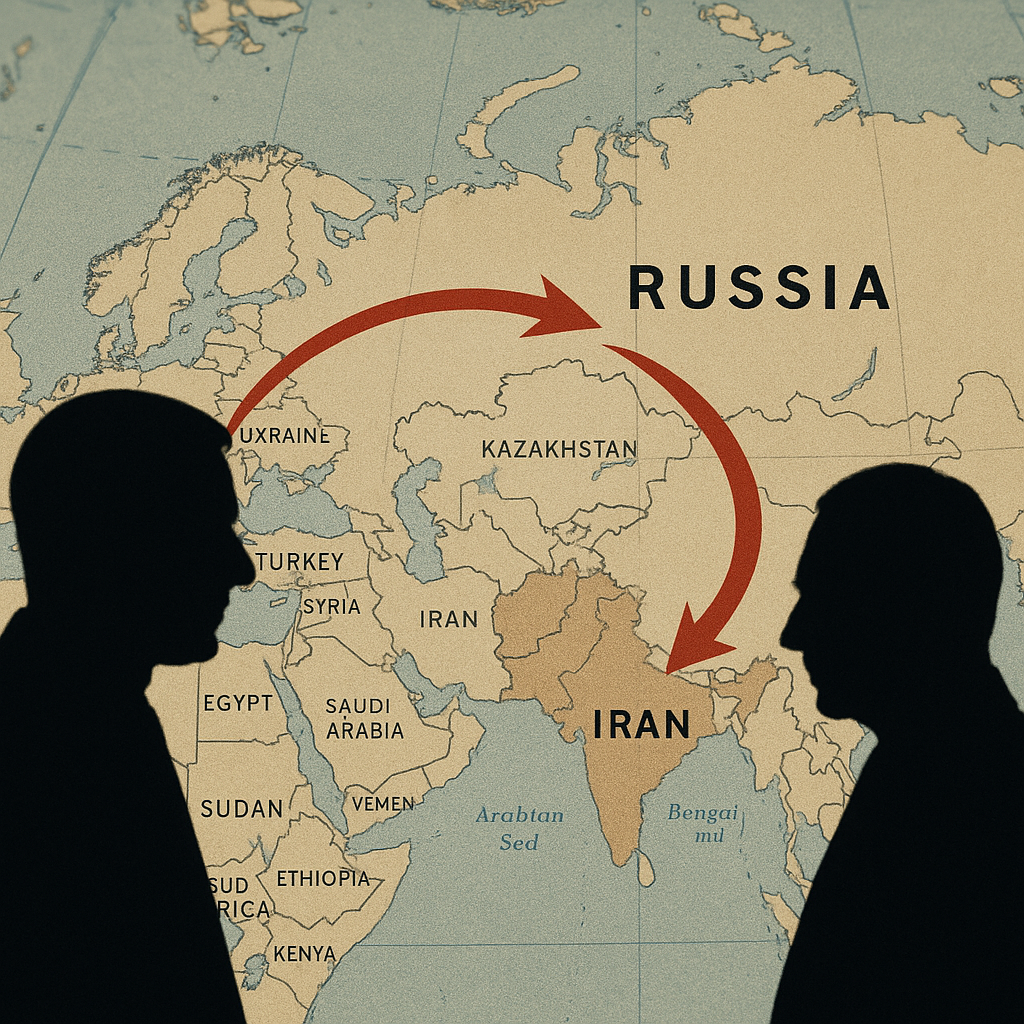
Challenges in Verification
For Ukraine’s claims to snowball into definitive global action, substantiating the evidence will be essential. Experts stress that high-stake claims without verifiable proof can lead to extensive political fallout and risk delegitimizing accusations.
“There are inevitable roadblocks for verification,” noted Maria Estebanovich, a political scientist specializing in Eastern European affairs. “It requires international intelligence cooperation, which is complex and often politically sensitive. Ukraine will have to demonstrate transparency in sharing its findings with global bodies such as the United Nations.”
Meanwhile, Russia has dismissed Zelenskiy’s statement as another baseless accusation, further emphasizing its stance that Moscow’s actions in Ukraine are internally justified. Iran has yet to issue a direct response to the new allegation but has historically downplayed accusations regarding drone transfers or military intelligence ties.
What Lies Ahead?
As the global landscape continues to evolve, the alleged Russia-Iran intelligence partnership will likely remain a critical point of focus for world leaders and organizations. If corroborated, the claim could cement the view of these two nations as an axis of opposition against Western-led alliances, raising questions about larger regional stability.
For Ukraine, proving its allegation poses both a challenge and an opportunity. Solid evidence could galvanize its international allies, leading to a renewed call for sanctions. Lacking proof, however, could harm its credibility and complicate its relationships with undecided nations.
“The stakes are higher than ever,” Rodgers said. “As global powers recalibrate their strategies, every claim and counterclaim becomes a chess move in a larger geopolitical game.”
Questions remain over whether Ukraine’s evidence will be made public or submitted to independent investigative bodies for review. Until then, many analysts predict heightened tension among all parties involved.
As the story develops, observers worldwide will watch closely to see how this claim unfolds and whether it provides further clarity—or exacerbates the underlying uncertainty in an already fragile international order.