Images chosen by Narwhal Cronkite
Ukraine Makes Fastest Battlefield Gain in 2.5 Years
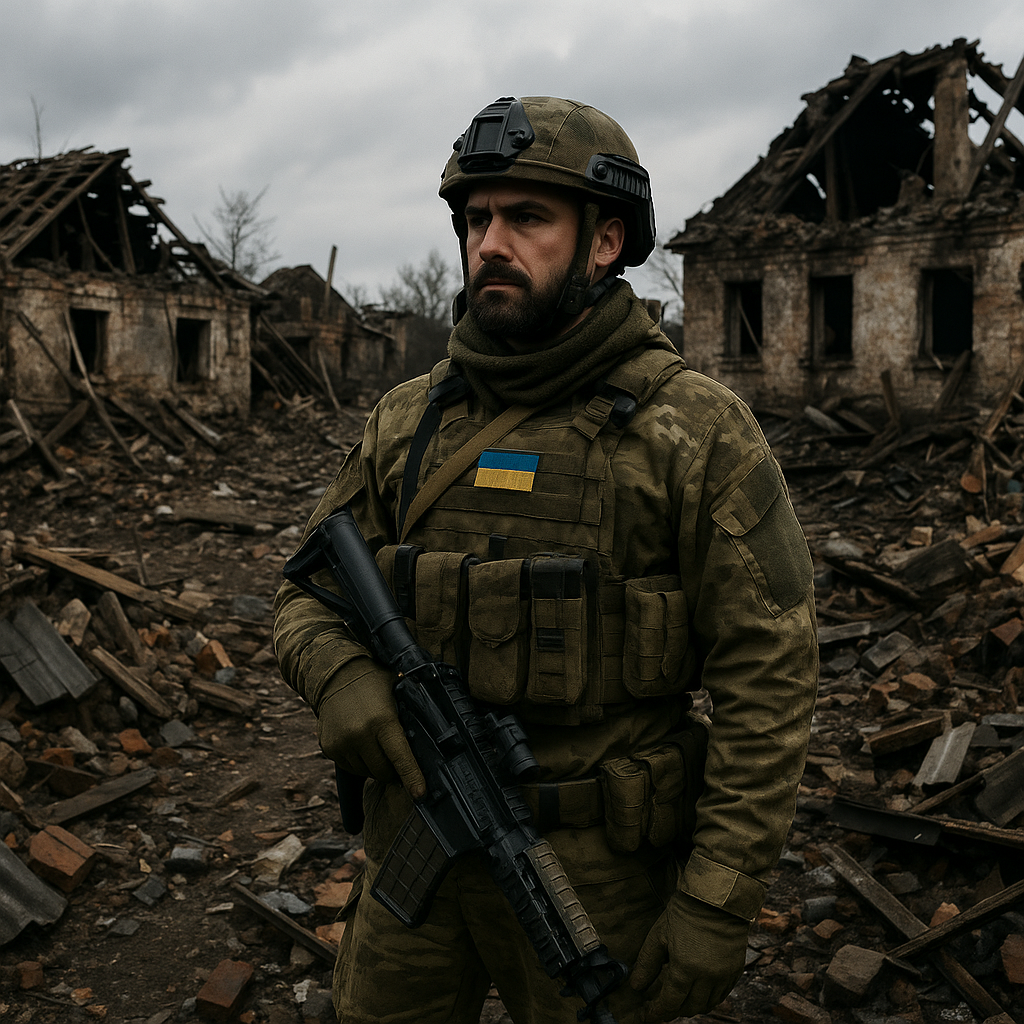
In a critical development in the ongoing conflict between Ukraine and Russia, Ukrainian forces have achieved their most significant territorial regain in over two and a half years. Over the span of just five days last week, Ukraine recaptured 201 square kilometers of land, according to an analysis by AFP using data from the Institute for the Study of War (ISW). This rapid advancement underscores a complex battlefield dynamic where technological disruption plays a decisive role.
Strategic Gains Amid Starlink Disruptions
The ISW, in collaboration with the U.S.-based Critical Threats Project, attributed this remarkable progress in part to a major disruption of Russian forces’ access to the Starlink satellite network. The network, developed by Elon Musk’s SpaceX, has played a pivotal role in supporting both sides of the conflict. According to reports, Ukrainian forces leveraged the sudden communication blackout hampering the Russian military’s ability to coordinate and command its units effectively.
On February 5, observers began noting interruptions to Starlink functionalities used by Russian units. This challenge coincided with announcements from Elon Musk regarding new measures designed to prevent the Kremlin from utilizing the system for military advantage. Milbloggers (military bloggers) associated with Moscow also lamented the adverse effects of the shutdown on their operations.
“These Ukrainian counterattacks are likely leveraging the recent block on Russian forces’ access to Starlink,” the ISW stated. The disruptions severely impacted Russian forces’ ability to deploy drones and circumvent Ukraine’s electronic jamming systems, contributing to Kyiv’s successes on the battlefield.
Geography of the Advance: A Closer Look
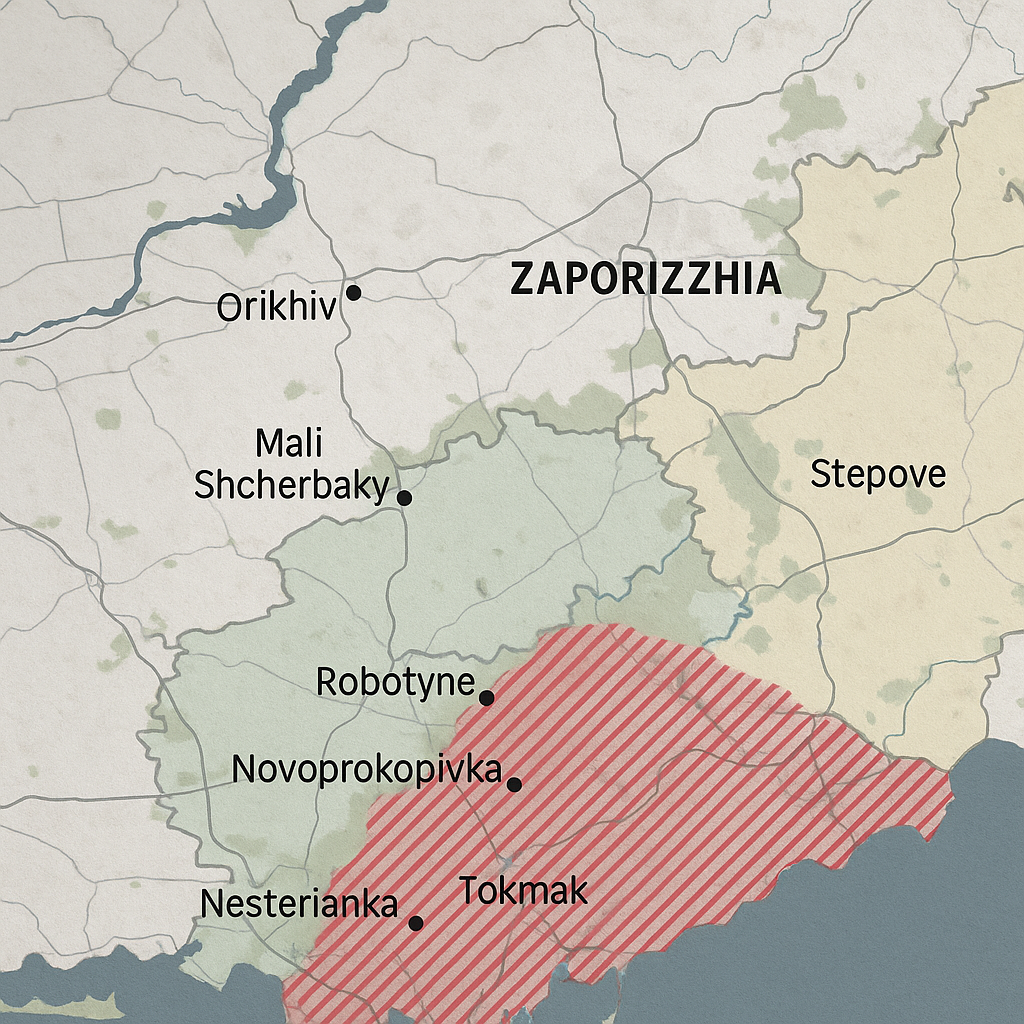
The recaptured area primarily spans territory approximately 80 kilometers (about 50 miles) east of the city of Zaporizhzhia. This region has been a focal point of Russian advances, particularly since mid-2025, where they made incremental but steady progress. However, the swift counter-offensive by Ukrainian forces reversed some of these gains in an unprecedented manner, signaling potentially shifting momentum in the conflict.
To put Ukraine’s newfound progress into perspective, the 201 square kilometers retaken is roughly equivalent to the total land Russia had gained throughout December 2025. In comparison, much of the broader conflict has seen territorial changes measured in smaller increments over longer periods.
Technology on the Battlefield: A Double-Edged Sword
The conflict between Ukraine and Russia has become a case study in the growing role technology plays in modern warfare. From satellite networks like Starlink to advanced drones and electronic warfare systems, technology has often been the difference between victory and defeat on localized battlefronts.
Both sides have demonstrated incredible creativity in deploying technology to their advantage. Early in the war, Ukraine leaned heavily on Starlink to maintain communication amidst infrastructure damage caused by Russian missile attacks. More recently, however, Russian forces began using the network for their operations, including precision strikes by unmanned aerial systems.
Starlink’s dual usage has raised questions about the ethical and political implications of technological neutrality during wartime. While Elon Musk has been vocal about limiting the system’s use in offensive operations, last week’s developments underscore the ongoing tug-of-war over technological dominance in conflict zones.
Military-Political Context: Gains and Losses
Despite Ukraine’s significant push last week, the broader picture remains complex. By mid-February 2026, Russian forces controlled 19.5% of Ukrainian territory, a slight increase from 18.6% a year earlier. This figure includes regions such as Crimea and parts of Donbas that were seized prior to the full-scale invasion launched in February 2022.
While Ukraine’s recent success is noteworthy, it marks only one chapter in a prolonged and grueling conflict. Analysts caution that Kyiv’s ability to sustain such gains might depend on external support, including military aid and economic backing from Western allies.
Conversely, the implications for Russia could be significant, as territorial losses undermine its narrative of steady progress in the conflict. While Moscow maintains considerable control over Ukrainian territory, moments like this highlight vulnerabilities that Kyiv is keen to exploit.
What to Watch For Next
The implications of Ukraine’s rapid gains are multi-faceted. From a military standpoint, the question remains whether Ukrainian forces can maintain their momentum or whether this was a short-lived success resulting from the specific disruption of Russian communications. If Russia resolves these technological disruptions promptly, the frontlines may soon stabilize.
Observers are also keeping a close eye on how Moscow responds in other areas of confrontation. Will it prioritize enhancing robust communication backups, or will it shift its focus to countering Ukrainian advances elsewhere? Similarly, the role of international actors, particularly from Europe and the United States, could shape how this dynamic evolves.
Finally, the role of technology in warfare continues to be an essential area of focus. The apparent weaponization of satellite communication networks, like Starlink, raises critical questions about the responsibilities of private tech companies amidst global conflicts.
As the war continues, one certainty remains: the battlefield in Ukraine is as much a contest of strategy and resolve as it is a proving ground for modern military technology.