Images chosen by Narwhal Cronkite
US Strikes Iran’s Kharg Island: A Turning Point in Gulf Tensions
In a dramatic escalation, reports emerged that the United States has launched an attack on Iran’s Kharg Island, a vital hub for the country’s oil exports. Former U.S. President Donald Trump confirmed the news, emphasizing the strategic importance of the operation. The move has sent shockwaves through global energy markets and ignited renewed fears of instability in the Gulf region.

The Significance of Kharg Island
Located in the Persian Gulf, Kharg Island serves as the backbone of Iran’s oil distribution network. According to The Week Magazine, the island is often described as Iran’s “Achilles heel,” with nearly 90% of its crude oil being exported from this single location. The attack on Kharg Island represents more than just a tactical maneuver; it’s a calculated strike on the financial lifeline of the Iranian regime.
“The island is of existential importance to Iran,” said an analyst interviewed by ABC News. “Without Kharg, Tehran would face significant challenges in sustaining its oil-based economy. This makes it a prime target in the context of escalating U.S.-Iran tensions.”
For decades, Kharg Island had avoided direct attacks, even during periods of heightened tensions between Iran and the U.S. However, this latest strike could upend that history, marking a new chapter in the ongoing power struggle in the region.

Ripple Effects on Global Oil Markets
The attack on Kharg Island has had immediate implications for global oil markets. Brent crude surged above $100 per barrel overnight, with markets already skittish over disruptions in the Gulf. Yahoo Entertainment highlights that the Persian Gulf is a critical shipping lane, accounting for nearly a fifth of the world’s total oil supply. Any instability in the Strait of Hormuz, through which Kharg Island exports its oil, could send shockwaves through global supply chains.
“This attack is a game-changer,” noted an energy analyst. “Given the interconnected nature of global energy, a prolonged disruption in Kharg’s operations has the potential to trigger supply shortages and increase fuel costs dramatically, impacting everything from transportation to consumer goods pricing.”
While strategic oil reserves could provide a temporary buffer, prolonged instability in the region could lead to further price volatility. Saudi Arabia and Iraq, also key oil suppliers in the area, are likely to pressure the international community to quell tensions lest their own exports face disruptions.
Political Motives and Timing
Analysts are questioning the timing of the U.S.’s actions against Iran, given the geopolitical climate and domestic considerations. Former President Trump’s confirmation of the operation has raised eyebrows, as speculation swirls whether the decision might serve domestic political goals as much as strategic ones.
“Acts like this are often as much about sending a message globally as they are about bolstering political capital at home,” said a Middle East policy expert from Al Jazeera. “With a U.S. presidential election around the corner, projecting strength can become a political tool.”
The strike comes on the heels of escalations in U.S.-Iran relations, including heightened sanctions and recent proxy confrontations in the region. While Washington justifies the attack as a necessary measure to disrupt Iran’s funding of militant groups, the broader political fallout could make relations even more volatile.
Could This Lead to Direct Conflict?
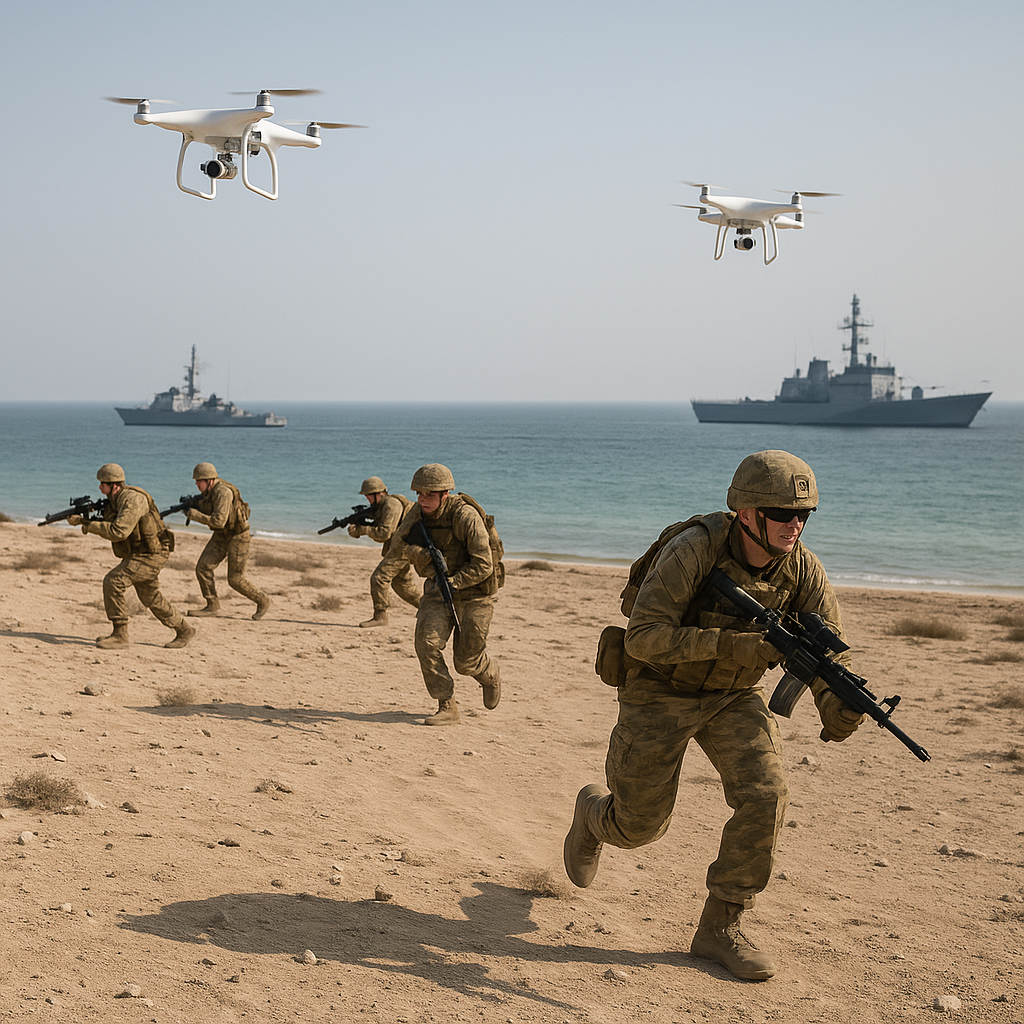
The attack raises the question: Is the U.S. on the brink of a more comprehensive engagement with Iran? While a full-scale invasion may seem unlikely, reports from Al Jazeera suggest a limited intervention, such as securing Kharg Island or conducting targeted operations, might be plausible.
“Iran’s terrain is vast and challenging, making a large-scale invasion arduous and costly,” an expert at the think tank Center for Strategic and International Studies explained. “However, small, precise military missions could achieve strategic goals without crossing into full-blown war.”
The Iranian leadership has vowed retaliation, signaling that further escalation cannot be ruled out. Iran’s response could range from increased proxy warfare in the region to cyberattacks on critical U.S. infrastructure, adding another layer of uncertainty.
What to Watch For Next
The implications of this attack are vast, touching on geopolitics, energy markets, and global security frameworks. Observers are closely watching crucial developments:
- Iran’s Response: Tehran is expected to retaliate, though the scale and timing remain uncertain.
- Energy Market Stability: The trajectory of oil prices and disruptions to global supply will be key metrics to watch in the coming months.
- U.S. Domestic Implications: Former President Trump’s confirmation of the strike raises questions about its impact on the U.S. political landscape.
As the story unfolds, one thing remains certain: the geopolitical balance in the Gulf region has shifted, and the ripple effects will be felt globally.
For now, both parties face growing pressure to avoid escalating into conflict while managing the immense economic and political fallout from this unprecedented attack.