Images chosen by Narwhal Cronkite
US Government Pressures for Unmasking Online Critic of Immigration Policies
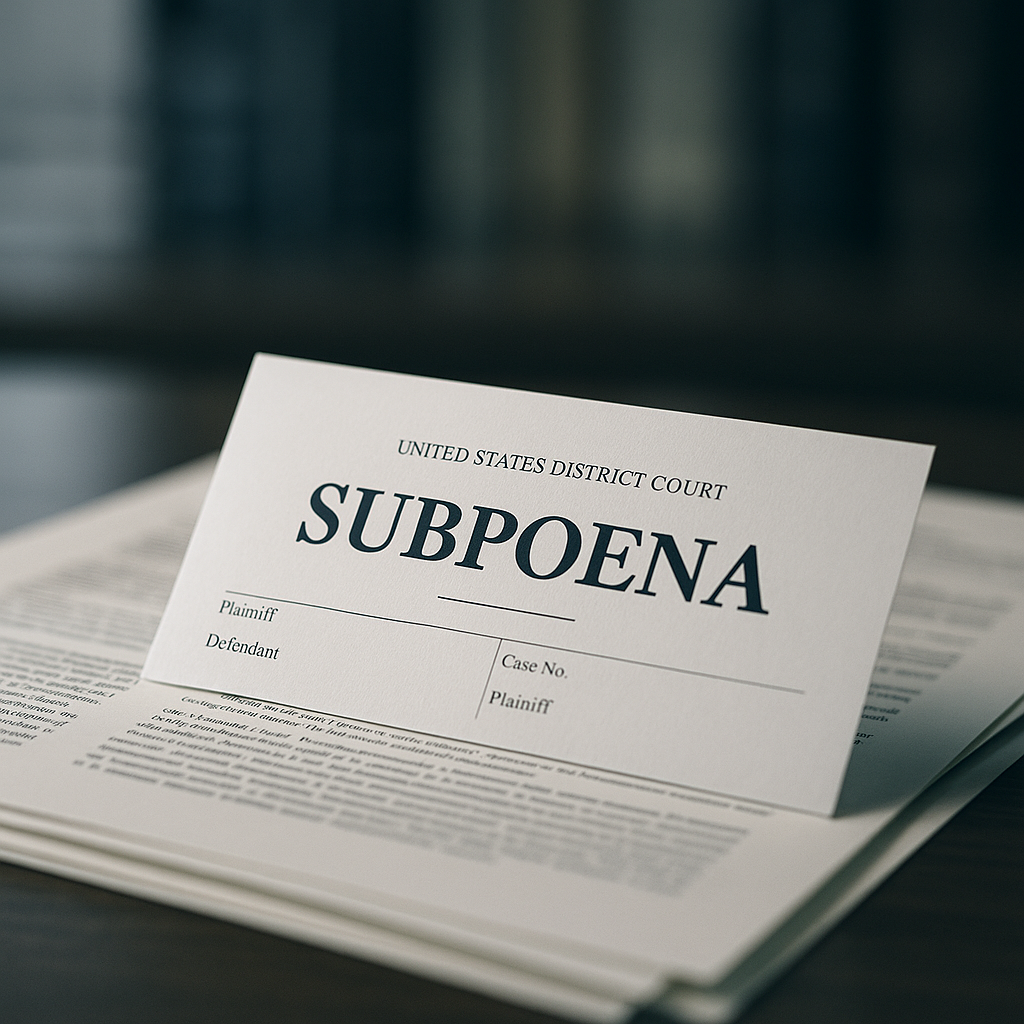
The U.S. government’s escalating efforts to identify an anonymous online critic of Immigration and Customs Enforcement (ICE) have sparked intense debates over free speech, privacy, and the bounds of government oversight. As part of its investigation, the administration has issued a subpoena requiring a major tech firm to provide personal data about a user who posted critical commentary regarding ICE’s actions. This legal push has raised concerns among policy experts, tech analysts, and civil liberties advocates alike.
Case Origins: From an Online Comment to a Grand Jury Subpoena
The controversy centers around an individual who anonymously published a series of online posts critical of ICE. The events leading up to the legal action can be traced back to discussions following a widely covered fatal shooting involving an ICE officer. According to widespread reporting, including sources cited by Ars Technica and Slashdot, the individual at the center of the case shared publicly available biographical information about the officer involved. However, there is currently no evidence indicating the posts included doxxing (malicious publication of private information) or other illicit activity.
The Trump administration has invoked legal authority under the Smoot-Hawley Tariff Act of 1930—an obscure statute initially designed to regulate international trade—as the basis for its demand. Critics argue that this move represents a tenuous interpretation of the law, as the targeted user appears uninvolved in international commerce. “The statute cited is unfit for purpose,” noted a statement by the Civil Liberties Defense Center, which represents the anonymous party in court.
Tech and legal commentators have also flagged the breadth of the government’s request, which reportedly seeks sensitive personal details such as “names, home addresses, phone numbers, banking information, and device identifiers.” Advocates expressed concerns that such sweeping requests could deter individuals from exercising their First Amendment rights.
Free Speech, Privacy, and the Role of Technology Firms
This legal battle surfaces broader questions about the role of technology platforms when government subpoenas intersect with users’ free speech rights. Technology experts highlighted that corporations entrusted with personal data could find themselves balancing competing priorities of regulatory compliance and safeguarding user anonymity.
“We’re navigating an era where technology companies are becoming arbiters of constitutional rights, whether they want to be or not,” said a Washington-based privacy analyst. “These firms hold immense power as gatekeepers of user information, and that power comes with profound responsibilities.”
Major technology platforms have publicly championed privacy protections in recent years, implementing stronger encryption methods and contesting overly broad government demands. However, compliance with legal subpoenas remains a complex terrain. Observers argue this case may set significant precedents for how far governmental agencies may go to demand user accountability.
Legal Context and Precedent
The government’s push to unmask the user also raises questions about the legal precedent for such actions. Historically, courts in the United States have sought to strike a balance between state interests and individual rights to anonymous speech. For instance, the landmark Supreme Court case McIntyre v. Ohio Elections Commission (1995) reaffirmed that anonymous political speech is a vital aspect of the First Amendment.
Legal advocates caution that overly aggressive legal maneuvers by public agencies could erode protections for free speech, particularly when anonymity serves as a shield for vulnerable individuals expressing dissent. The ongoing litigation may also alert policymakers to potential gaps in safeguarding digital rights within outdated legal frameworks.
“This saga underscores the urgent need to modernize laws concerning digital expression and online privacy,” noted an attorney specializing in constitutional law. “We’re relying on statutes from the 1930s to address 21st-century challenges. That dissonance cannot be ignored.”

What’s at Stake?
For civil liberties organizations, the stakes extend far beyond a single anonymous user. Many view this legal battle as emblematic of a larger trend involving governmental overreach and increasing scrutiny of online platforms as spaces for public discourse. Privacy watchdogs have warned about the chilling effect such cases may have on free expression, particularly in politically contentious environments.
Opponents of the government’s approach argue that any forced disclosure of personal data could discourage others from participating in important public conversations. “If critics are penalized for speaking out, we risk dismantling the very democratic values these policies are supposed to protect,” said a senior researcher at a prominent think tank focused on civil liberties.
On the other hand, advocates for stricter accountability argue that public servants and law enforcement officers face unique risks, especially in an era of online misinformation and targeted harassment. Identifying instances where lawful boundaries are crossed remains a challenge for agencies tasked with ensuring safety while upholding constitutional rights.
What Comes Next?
The legal proceedings surrounding this case are closely monitored by multiple stakeholders, from legal scholars to digital rights organizations, as well as companies in the broader technology sector. With the government invoking obscure legal mechanisms to advance its case, many anticipate that a resolution will require nuanced judicial interpretation, possibly extending to higher courts over time.
The outcome is likely to have wider implications for how governments and private companies navigate the tension between privacy and accountability in the digital realm. In the meantime, experts suggest keeping a close eye on similar cases that may follow in this legal wake.
Regardless of the final verdict, this case serves as a pivotal moment in clarifying the boundaries of digital rights and privacy laws. Citizens, corporations, and governments alike will undoubtedly continue to grapple with these evolving challenges in the years ahead.
What to Watch For
Given the stakes of this issue, observers may want to look out for several key developments:
- Further court rulings that might clarify or redefine the legal limits for government subpoenas seeking personal data.
- Statements or interventions by digital rights organizations advocating for improved safeguards for anonymous online expression.
- Legislative efforts that could aim to modernize privacy and free speech protections in the digital age.
With the balance of privacy, free speech, and national security in the spotlight, this ongoing legal battle will undoubtedly shape future policies on how governments engage with technology companies in a world increasingly defined by digital discourse.