Images chosen by Narwhal Cronkite
US to Fund MAGA-Aligned Groups in Europe Amid Free Speech Debates
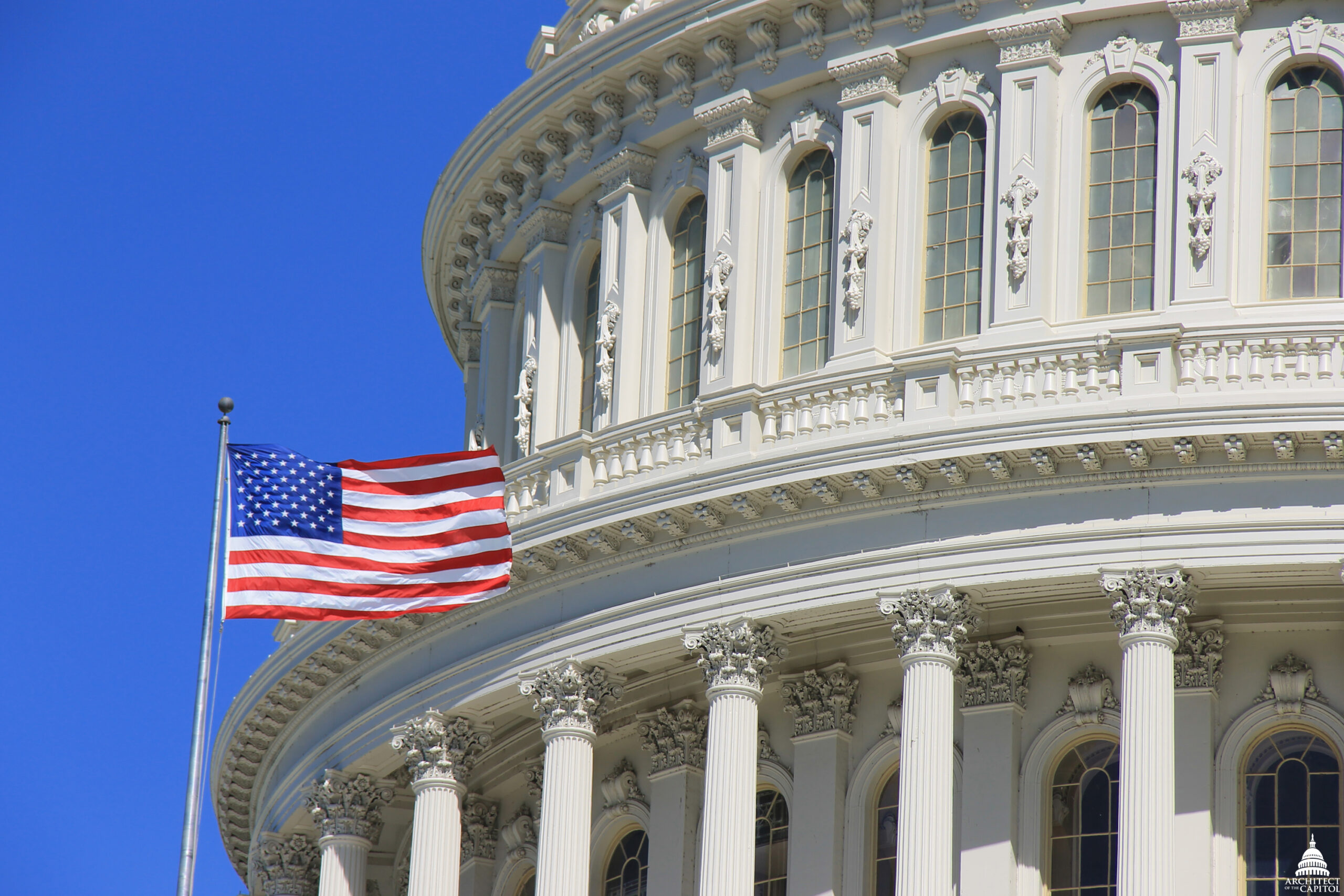
As the United States prepares to celebrate the 250th anniversary of its independence, a newly announced funding initiative is generating major debate across the Atlantic. The US government has revealed plans to support MAGA-aligned groups in Europe under the guise of promoting “American values” and free speech, but critics argue that the move could be seen as interference in domestic affairs.
Challenging European Regulations on Free Speech
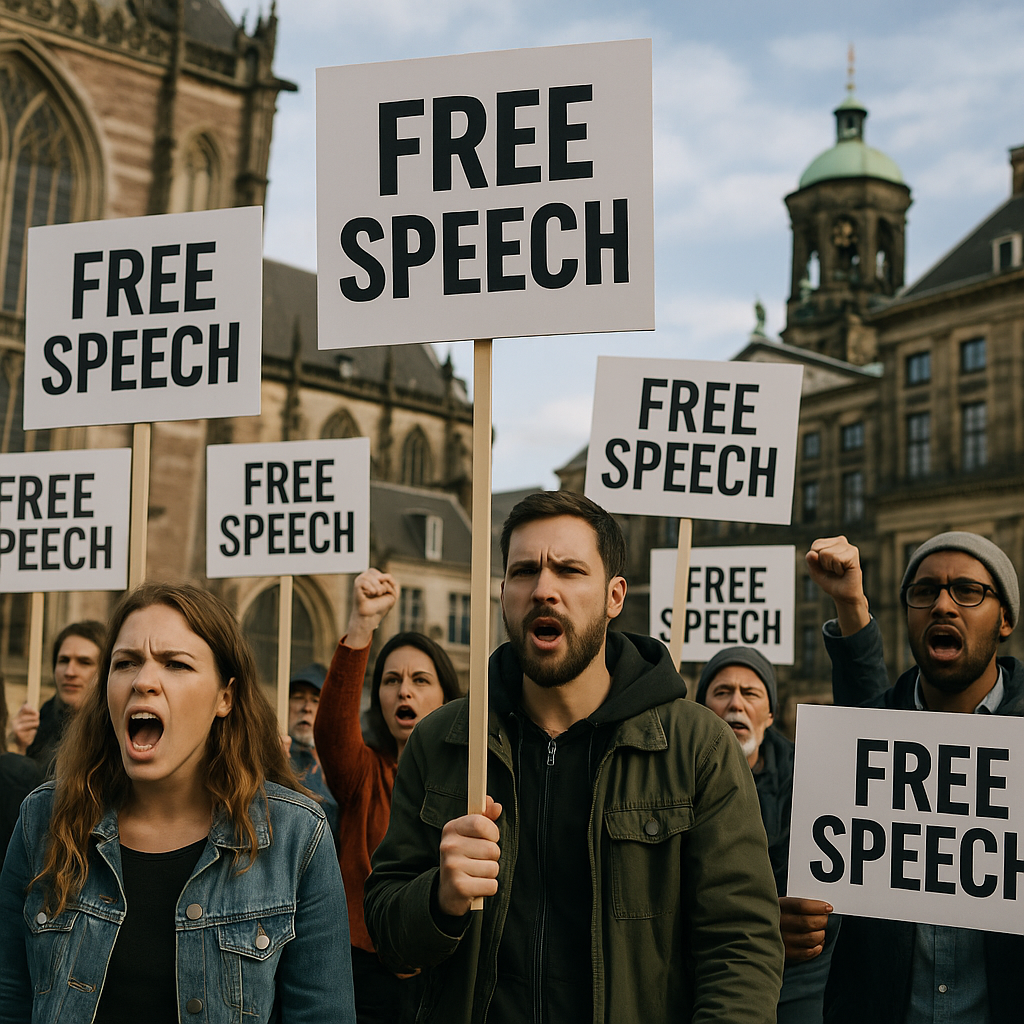
This initiative, reported by the Financial Times, aims to direct US State Department grants toward organizations linked to conservative and populist movements in major European cities like London, Paris, Berlin, and Brussels. The funding effort reportedly targets groups aligned with the Trump administration’s free speech agenda and seeks to counter what Washington perceives as censorship through European regulatory policies such as the UK’s Online Safety Act and the EU’s Digital Services Act.
Supporters of the initiative claim that these regulations not only restrict online speech but also create hurdles for American technology companies operating within European markets. A senior State Department official describes the program as a fresh variation of previous efforts but with a sharper focus on combating perceived threats to freedom of expression. “We believe American values, particularly free speech, need to be reinforced in regions where this principle is under attack,” the official said.
Concerns Over US Involvement in Domestic Policy Debates
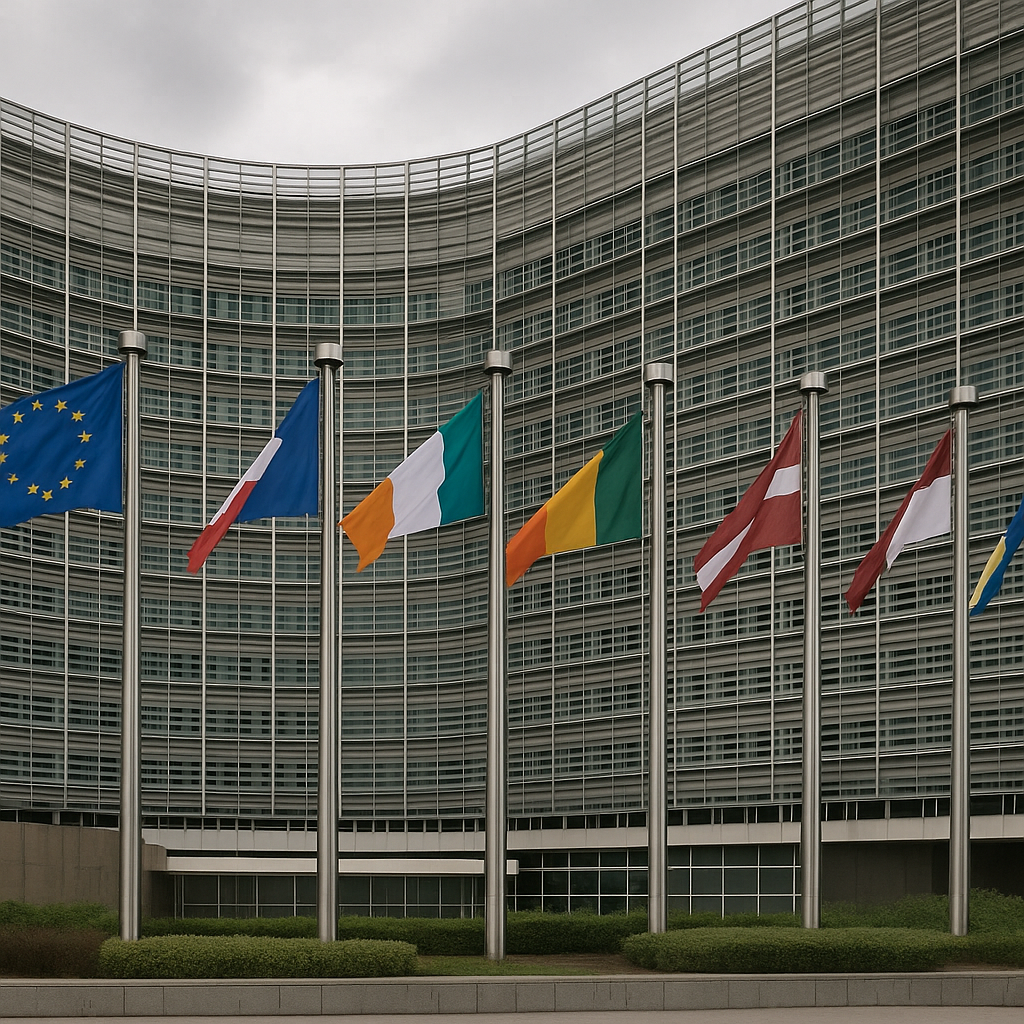
Not everyone is welcoming the initiative. Center-left governments in Europe have expressed concerns about what they perceive as unwanted influence on their domestic policies. The initiative has also sparked worry regarding potential backlash among local citizens, who may see these efforts as undermining European sovereignty. Analysts are warning that this funding could inadvertently stoke political polarization across Europe, especially if focused toward populist movements resisting existing regulations.
This controversy comes at a time when the US itself is grappling with significant media layoffs and mounting political pressure on journalism, as highlighted by Yuliia Zavadska in the Kyiv Post. Given this, some observers find Washington’s push for free speech abroad ironic. “At home, American journalists face growing threats to their own freedoms, while abroad they’re carving out new battlegrounds,” said Liam Hackett, a media analyst.
Shifts in US Foreign Policy Priorities
Critics also point to a broader shift in America’s foreign policy priorities. According to Rolling Stone, the Trump administration has sharply cut funding for traditional democracy-building programs, favoring arms sales and militarized foreign engagements. While funding for human rights initiatives dwindles, support for ideologically aligned entities like MAGA-inspired think tanks is increasing.
This shift aligns with the administration’s criticisms of multilateral treaties and institutions, signaling a deliberate pivot away from cooperative diplomacy. “It’s imperialism dressed in new clothes,” wrote journalist Monica Luson for Rolling Stone. “The same administration waging war in Iran is using funding attempts to reshape Europe in its ideological image.”
Criticism and Support: Balancing Free Speech and Sovereignty
While some see these funding efforts as a way to combat authoritarianism and censorship, others argue that they may exacerbate cultural and political divides within recipient countries. Supporters from organizations such as Nigel Farage’s Reform UK Party say that American funding will empower grassroots movements to resist tech censorship and media monopolies. “It’s a badly needed counterweight to government overreach,” said a Reform UK spokesperson during the State Department’s European visit.
However, critics warn that backing populist groups could have unintended consequences. “This is political engineering,” said Amélie DuPont, a sociopolitical researcher based in Paris. “When you funnel money into movements with specific ideological agendas, you’re also increasing polarization and undermining public trust in institutions.”
Implications and What to Watch For
The initiative raises pressing questions about the future of free speech in Europe and its broader geopolitical ramifications. Will US efforts to support MAGA-aligned groups strengthen freedom of expression or sow division in European democracies? How will public sentiment within Europe respond to American involvement in these debates?
The stakes are high, especially with upcoming elections in France and Germany potentially reshaping the political landscape of the continent. Watch closely for reactions from European governments and further clarifications on State Department funding specifics. Additionally, pay attention to any backlash that might arise within the US, where domestic pressure on free speech remains a contentious issue.
For now, it’s clear that the Trump administration is betting on ideological alignment as a tool for influence abroad. As these initiatives unfold, both advocates and critics agree that the intersection of free speech and sovereignty will continue to define transatlantic relations in the months to come.