Images chosen by Narwhal Cronkite
US House Panel Subpoenas Attorney General Bondi in Epstein Probe
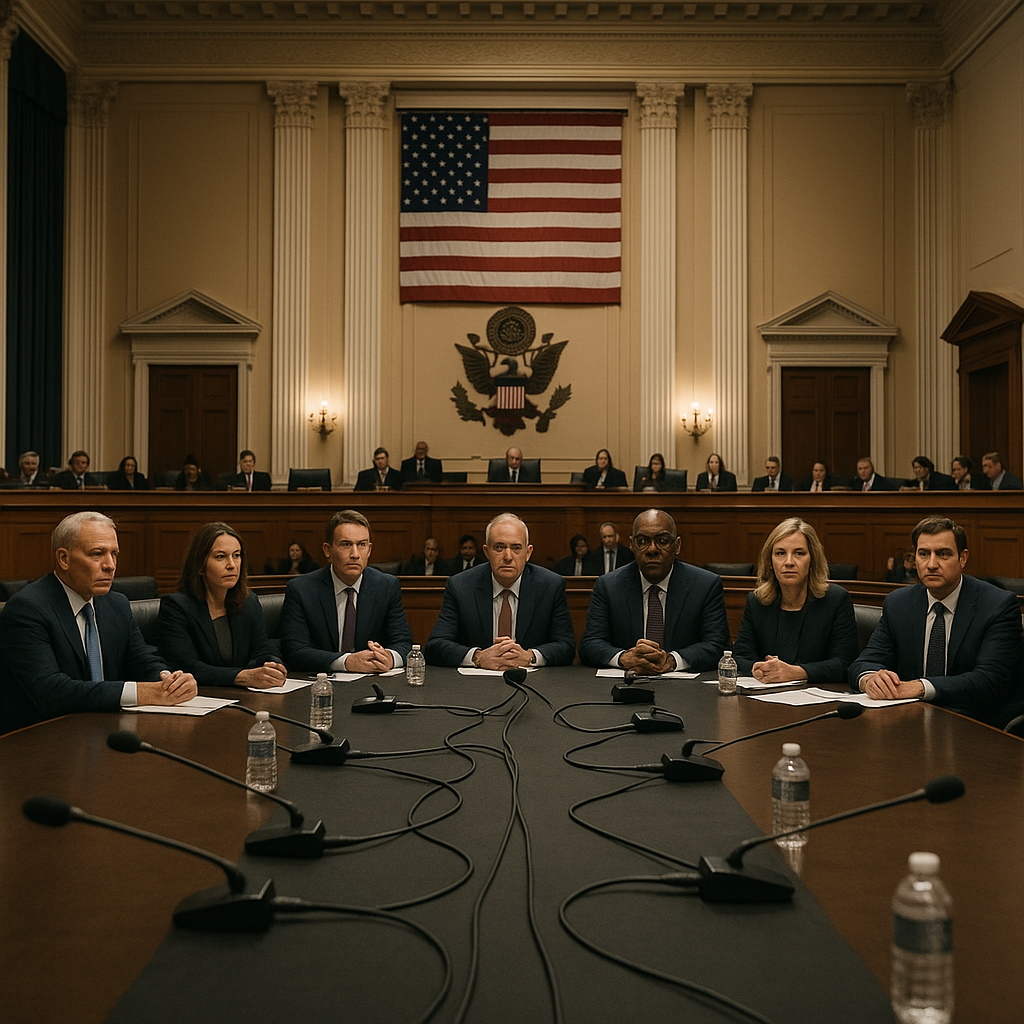
The U.S. House Oversight Committee has intensified its scrutiny of the Department of Justice’s handling of the Jeffrey Epstein investigation, issuing a subpoena to Attorney General Pam Bondi to compel her testimony. As allegations of systemic failures and potential mishandling of evidence resurface, the case underscores concerns about accountability in high-profile investigations and the intersection of justice and political oversight.
Revisiting a Global Scandal
Jeffrey Epstein’s name remains synonymous with scandal, privilege, and systemic failure. His sudden death in federal custody in 2019 only deepened public mistrust in the institutions tasked with ensuring justice. Years later, the Epstein case continues to cast a shadow over U.S. politics and justice administration. The House Oversight Committee, now under Republican leadership, is determined to investigate the Justice Department’s handling of Epstein’s case.
According to Al Jazeera, the Committee’s subpoena stems from concerns about the potential mishandling or delay in releasing critical documents related to Epstein’s case. While specifics remain unclear, lawmakers appear to focus on determining how Epstein’s connections to high-profile figures, including politicians, business executives, and public officials, may have influenced judicial outcomes.
The subpoena targets Attorney General Pam Bondi, former Florida attorney general and a central figure in the Justice Department’s current leadership. Her role in overseeing aspects of the controversial case has raised concerns from critics about transparency and impartiality.
The Stakes for Attorney General Pam Bondi

Attorney General Bondi, who was appointed amid high expectations to restore public trust in the Justice Department, now faces calls for answers. The allegations against Bondi center on whether the Justice Department improperly handled or withheld evidence tied to Epstein’s high-profile connections. Critics suggest her office may have missed—or deliberately overlooked—key opportunities to pursue those potentially complicit in Epstein’s abuses.
Bondi’s response to the subpoena has so far been guarded. She has called for a “balanced and objective review” of the allegations, stressing the importance of preserving the integrity of the Justice Department. As reported by The Week, the House Oversight Committee’s decision marks a rare step in compelling a sitting attorney general to testify before Congress.
The implications for Bondi extend beyond immediate political risks. Should the Committee uncover evidence of negligence or obstruction, her tenure—and possibly her legal standing—could face significant challenges. However, supporters argue that Bondi’s leadership has been unfairly targeted in what they describe as a partisan probe by political opponents.
A Broader Climate of Political Oversight
The ongoing Epstein investigation is taking place amid heightened scrutiny of the Justice Department’s perceived impartiality. The House panel’s actions follow a pattern of increasingly aggressive congressional oversight targeting high-ranking officials in both Republican and Democratic administrations.
In early March, former Secretary of State Hillary Clinton also faced questioning from the House Oversight Committee regarding her alleged connections to Epstein. Speaking during a closed-door deposition, she denied any interaction with Epstein, a claim later made public by ABC News. These high-profile depositions showcase the bipartisan demand for uncovering all aspects of the Epstein saga, even when the implications touch figures across the political spectrum.
According to analysts, there’s increasing concern over how political investigations—like the one involving Bondi or Clinton—can snowball into public perceptions of selective justice. “The fervor around political hearings often comes down to optics,” said a prominent D.C.-based legal expert. “In Bondi’s case, the pressure to appear before Congress aligns more with the broader spectacle of the Epstein case than with the specifics of her duties as attorney general.”
The Political and Judicial Crossroads
Complicating matters is the polarized political environment. Bondi’s legal pedigree dates back to her days as Florida’s attorney general, during which her record was often marked by staunch partisanship. Now, as the nation’s top law enforcement officer, her role is being scrutinized as the Epstein scandal reignites questions about accountability.
Observers have pointed out a lack of transparency in how Epstein’s powerful connections were investigated. According to a report from The Hill, Bondi’s office faces allegations of delayed cooperation in the handover of case files, prompting the Oversight Committee’s decision to issue the subpoena.
Moreover, the fallout from procedural delays in Epstein’s initial prosecution continues to haunt federal oversight mechanisms. Past and current Justice Department administrations have each faced public backlash over perceived failures in holding powerful individuals accountable. Analysts remain concerned about whether systemic reforms can keep pace with public expectations of justice in high-profile cases.
What to Watch Moving Forward
The forthcoming testimony from Attorney General Bondi promises to inject new details into an already complex tapestry of legal and political intrigue. Observers believe the House Oversight Committee will attempt to uncover possible links between Epstein’s wealthy network and decisions made within the Justice Department—though it remains uncertain what concrete evidence, if any, will emerge.
Beyond the immediate headlines, Bondi’s subpoena is emblematic of broader challenges facing political institutions. Transparency, accountability, and public trust in the justice system remain at stake. Whether this inquiry leads to substantive improvements or devolves into political spectacle will depend on the proceedings in the coming months.
For now, industry analysts and legal experts recommend paying close attention to both Bondi’s testimony and any subsequent actions by the Oversight Committee against other public figures involved in the Epstein scandal. What happens next could inform how Congress, the Justice Department, and the public account for one of the most explosive cases of the century.