Images chosen by Narwhal Cronkite
US Skips Congressional Review to Approve Munitions Sale to Israel
In a move that has drawn attention from defense analysts and global observers, the United States has bypassed the standard congressional review process to approve a $1.518 billion munitions sale to Israel. This decision, reported by Reuters, highlights the evolving dynamics of U.S. foreign military sales, particularly to key allies. While such transactions often follow a predictable pipeline, expedited approvals during sensitive geopolitical moments can spark significant debate about transparency and oversight.
Unpacking the Sale: What Does It Include?
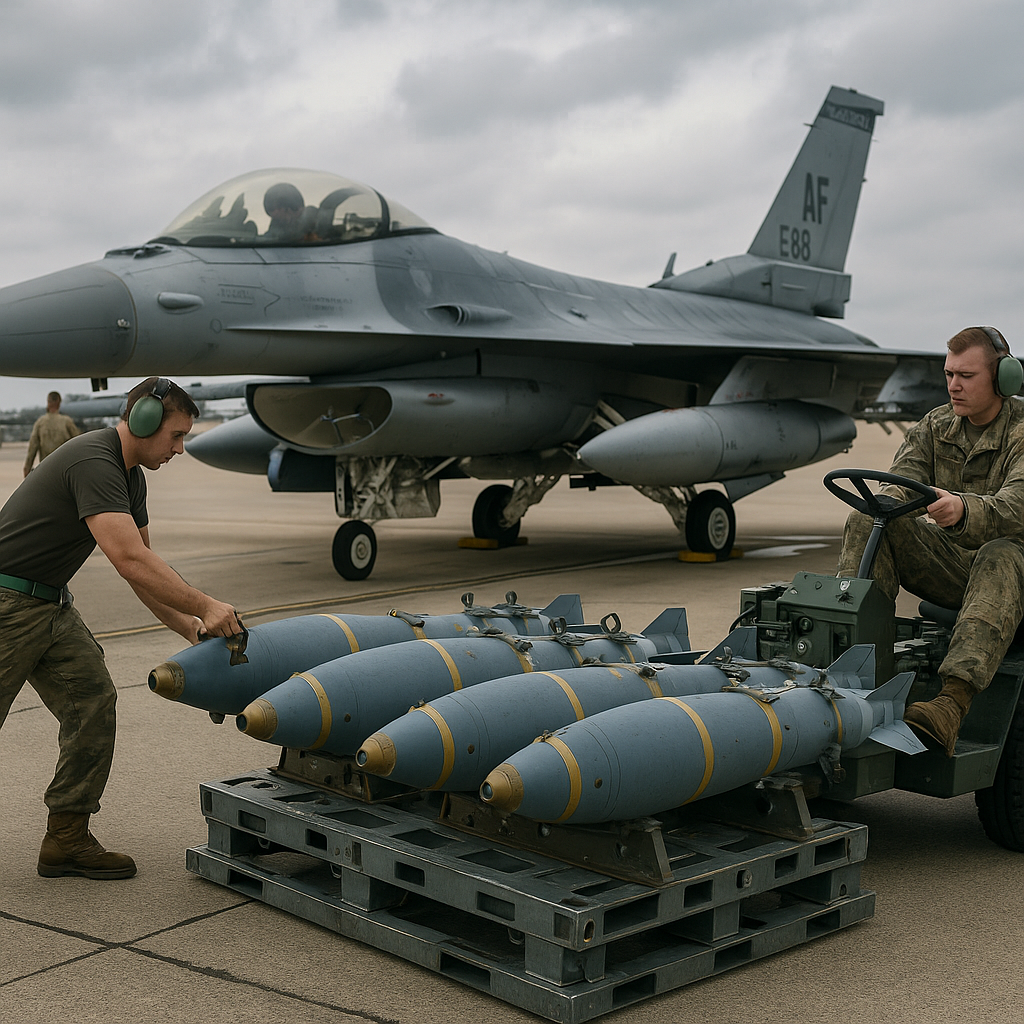
According to sources, the approved sale involves the transfer of advanced munitions, including precision-guided bombs, which are critical for Israel’s military strategies in densely populated regions. The U.S. State Department justified the sale as essential to Israel’s “legitimate security needs and its ability to defend itself from regional threats.” Such agreements, while not unusual between the two countries, are carefully scrutinized, and their timing often dictates how they are perceived internationally.
This massive $1.518 billion deal is part of a broader framework of military cooperation. Israel is the largest cumulative recipient of U.S. foreign military aid since World War II, receiving billions for defense annually. However, bypassing the congressional review process has raised questions about how decisions regarding foreign sales are made.
A Closer Look at the Approval Process
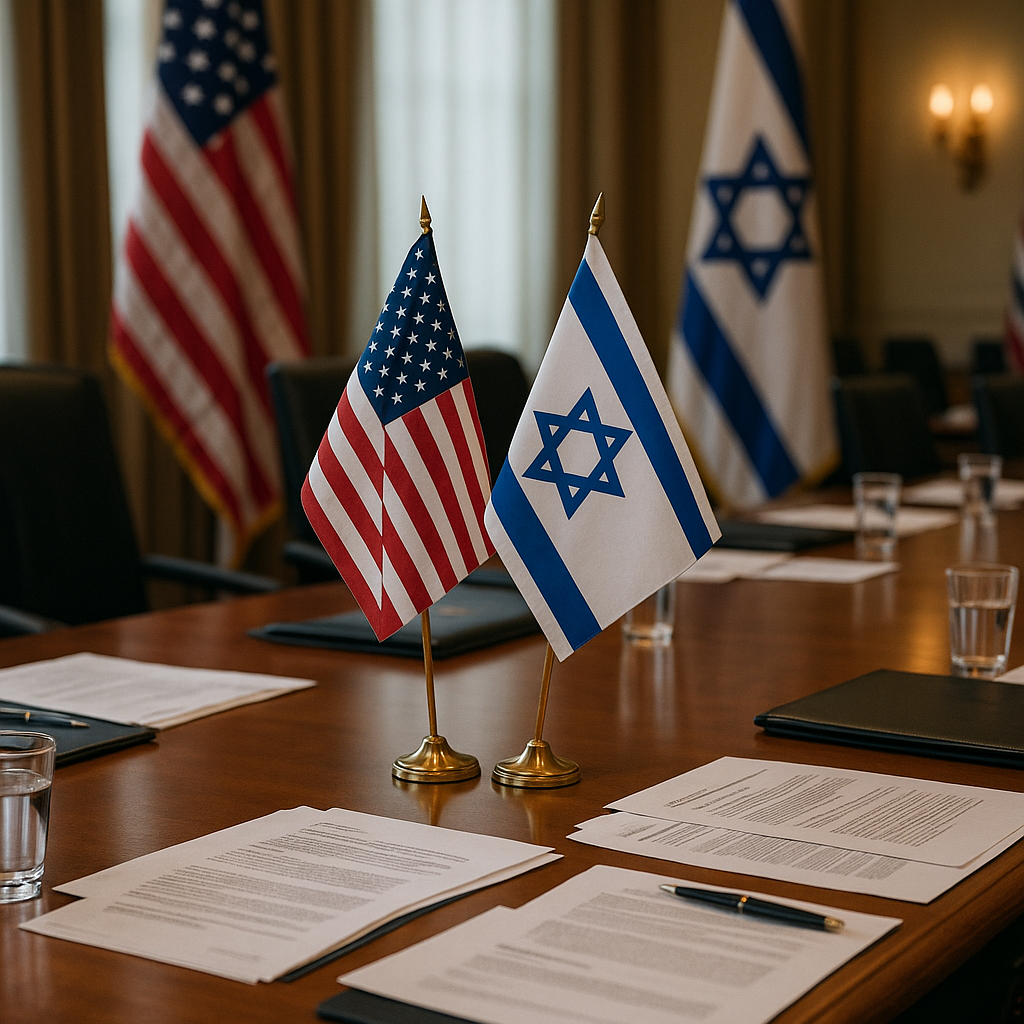
Typically, military sales of this size are subject to a formal congressional review period before being approved, providing lawmakers an opportunity to weigh in. However, the Biden administration’s decision to accelerate this sale mirrors actions taken in past administrations when dealing with allied nations during critical moments. In such cases, the president and the Department of State can invoke statutory waivers, arguing that delays could hinder national security or destabilize regional allies.
Analysts note that the timing of this approval is likely tied to escalating regional tensions. As tensions simmer in the Middle East, Israel faces challenges from a spectrum of adversaries, including non-state actors and aligned nation-states. This geopolitical reality secures U.S. support for Israel as a strategic partner but also raises the stakes of American involvement in regional conflicts.
Defense expert Dr. Rachel Grovenstein explained, “This expedited approval underscores the degree of trust and urgency the U.S. places in safeguarding its alliance with Israel. But it also sets a precedent for skipping oversight mechanisms that ensure accountability in foreign arms deals.”
Balancing Transparency and Security
While the U.S.-Israel defense partnership is broadly supported by both Democrats and Republicans, bypassing congressional review remains a contentious move. Critics of such expedited approvals often cite concerns about the lack of transparency and the potential for unintended consequences. Proponents, on the other hand, argue that the fast-paced nature of modern conflicts sometimes necessitates swift decisions and flexibility.
“Emergency approvals of military sales shouldn’t become the norm,” said Michael Cavanaugh, a policy analyst specializing in Congressional defense oversight. “Even for allies, it’s essential to weigh the long-term implications of supplying arms and how it interacts with broader regional power dynamics.”
Over the years, the U.S. has often walked a fine line between acting decisively to support allies during crises and maintaining rigorous standards of accountability, transparency, and adherence to human rights considerations. This munitions deal is the latest test of that balancing act.
Israel and Regional Implications
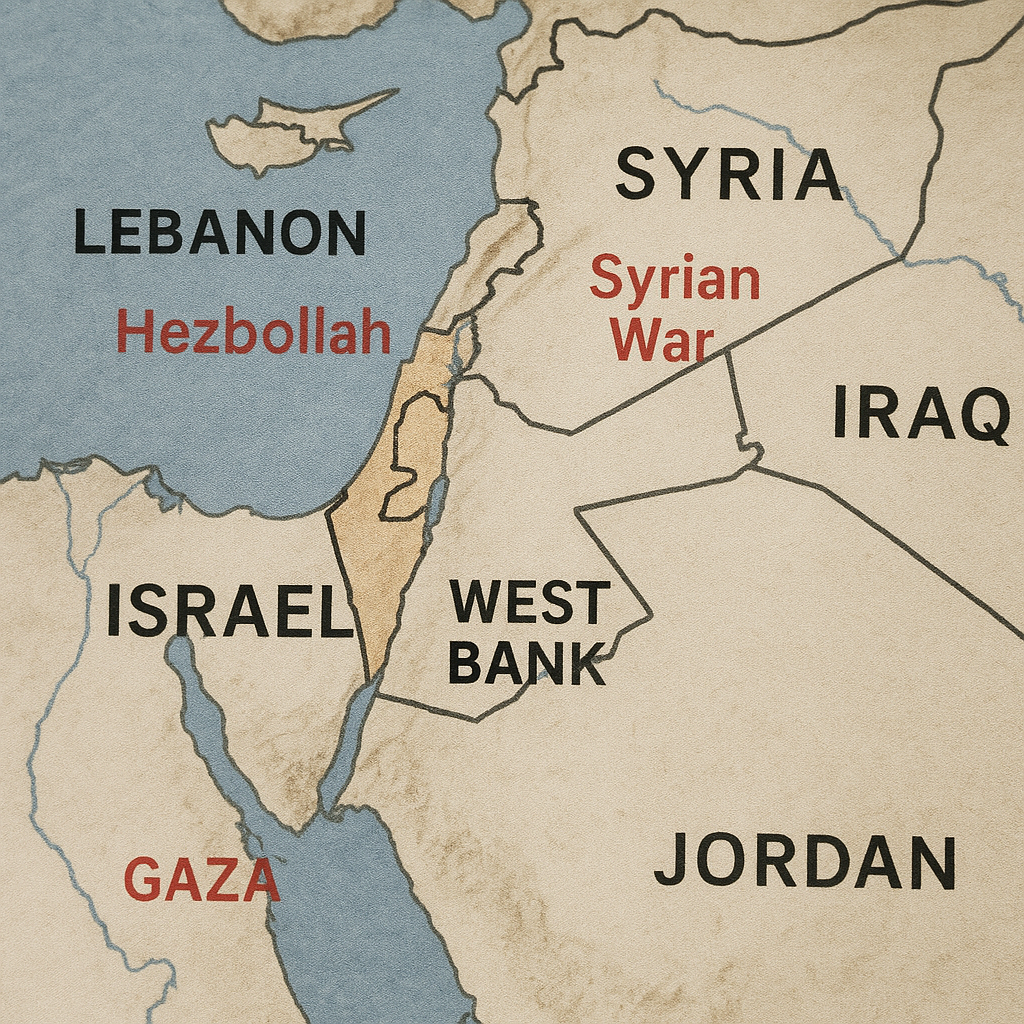
The Middle East remains one of the most volatile regions globally, with Israel playing a significant role in shaping the geopolitical landscape. Security cooperation with the United States remains a pillar of Israel’s defense strategy, particularly as it navigates challenges such as escalating tensions with neighboring Iran and the ongoing security concerns in the occupied territories.
Observers point out that munitions sales like this one, while reinforcing Israel’s security, underscore broader questions about how U.S. policy impacts peace processes in the region. Critics argue that reinforcing military capabilities without addressing root conflicts may entrench existing perspectives rather than fostering long-term stability.
However, Israel’s allies often counter with the assertion that defending its territorial sovereignty is an immediate and pressing concern. “It’s hard to overestimate the sense of threat felt by Israelis given the regional dynamics,” said Eli Mandel, a professor of international relations at Haifa University. “U.S. military assistance plays a substantial role in maintaining deterrence.”
Beyond Israel, the sale may also influence neighboring countries, potentially triggering new rounds of arms imports across the region—a development that analysts say should be monitored closely.
The Road Ahead: Key Developments to Watch
Importantly, this decision comes at a time when U.S. arms sales policies are generally under heightened scrutiny. There is growing bipartisan interest in Congress to reassess the legal framework governing such transactions, particularly given the shifting focus of global security towards Asia and psychological fatigue surrounding prolonged involvement in Middle Eastern conflicts.
Additionally, the debate surrounding this expedited approval will likely influence how future military sales are handled. Questions surrounding oversight, alignment with foreign policy priorities, and the degree of urgency in decision-making are likely to remain in the spotlight as policymakers and defense officials navigate the complex matrix of alliances and ethical considerations.
The global community will also be paying careful attention to how this sale affects regional dynamics, especially with ongoing efforts to mediate peace agreements between Israel and key Arab partners under the Abraham Accords framework.
As political and defense circles react to this significant arms sale, the overarching question persists: how can America balance its strategic defense commitments with its principles of transparency and long-term regional stability? In the coming months, decisions made in Washington could provide clearer insights into the future trajectory of U.S.-Middle East relations.