Multiple sailors aboard the USS Abraham Lincoln attempted to jump overboard during the aircraft carrier’s extended deployment, according to a report published August 12 by The Guardian. The incidents, described by people familiar with conditions on the ship, add a grim new dimension to months of concern over the crew’s mental health as the carrier’s time at sea stretched well beyond its original schedule.
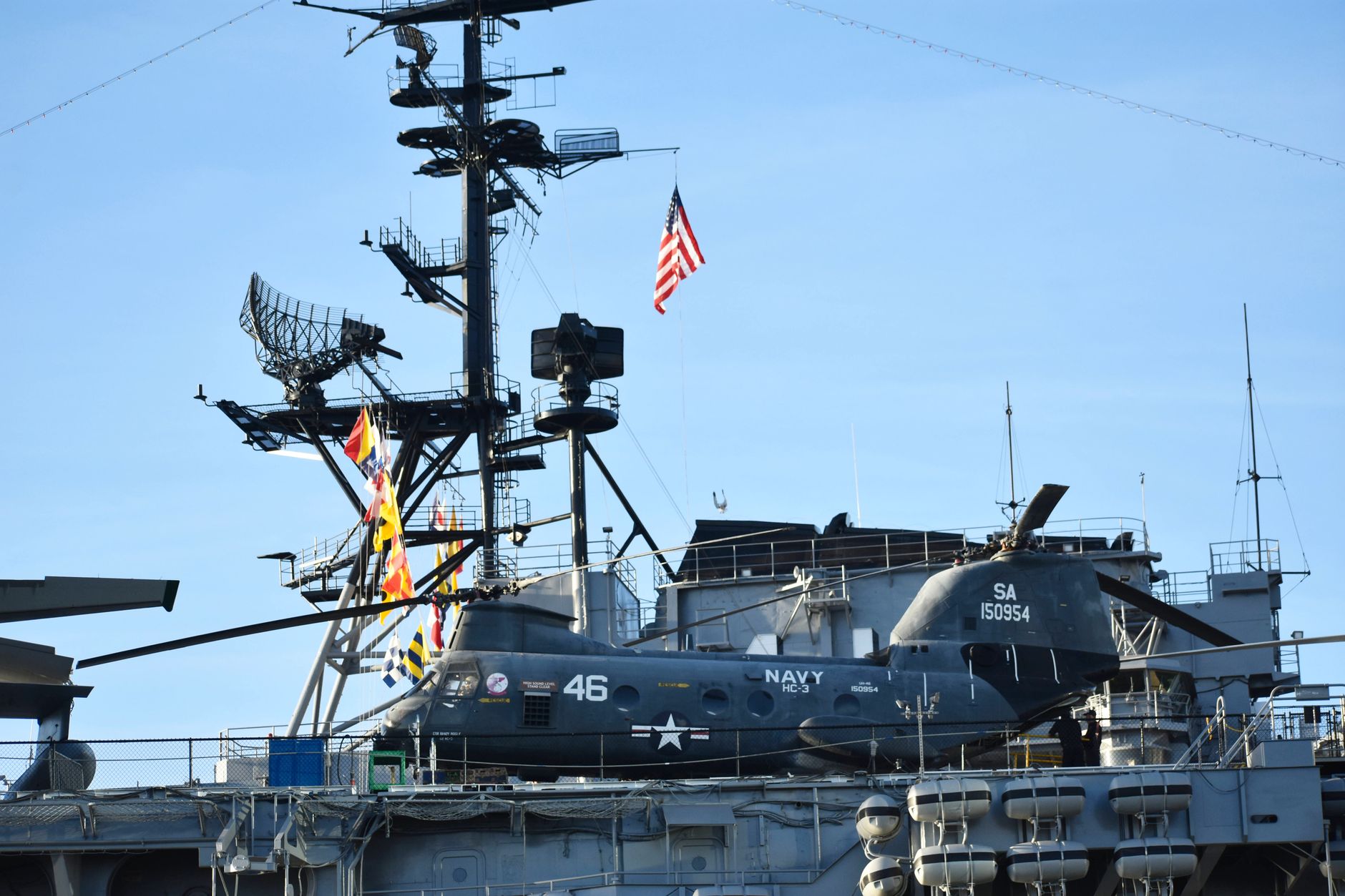
The Abraham Lincoln Carrier Strike Group deployed in late 2025 and has since had its mission extended multiple times amid heightened operational demands, keeping thousands of sailors away from home far longer than planned. The ship recently set a modern-era record for consecutive days at sea, surpassing 200 days underway without a port call, a milestone that current and former officials have said reflects the intensity of the deployment rather than a point of pride for those aboard.
What the report describes
According to The Guardian’s account, sailors on the Lincoln attempted to go overboard on more than one occasion during the extended deployment, prompting alarm among crew members and, in some cases, their families back home. The report does not specify an exact number of incidents or confirm whether any sailors were injured or died as a result, and the Navy has not released detailed figures publicly.
The Navy has acknowledged that extended deployments place additional strain on sailors and has pointed to existing shipboard resources, including chaplains, medical staff, and behavioral health counselors, as available support. It has not, however, provided a comprehensive accounting of mental health incidents aboard the Lincoln during this deployment, a gap that has fueled frustration among relatives who say they have struggled to get clear information from official channels.
Families had already raised alarms
The overboard attempts follow a pattern of concern that has been building for months. Relatives of sailors aboard the Lincoln have pressed the Navy directly over crew mental health, describing exhausted, isolated sailors enduring repeated extensions with little clarity on when they would return home. Some family members have said communication with the ship has been inconsistent, making it difficult to gauge how their loved ones are coping.
Extended deployments are not new to the Navy, but the length and intensity of the Lincoln’s current mission have drawn heightened scrutiny. Naval officials have cited broader strategic demands for keeping the strike group deployed, without publicly detailing a firm return date for much of the mission.
Family advocates have argued that the Navy’s public messaging about operational milestones, including the deployment length record, has not been matched by equally transparent updates on crew welfare.
A recurring challenge for the military
Suicide and self-harm within the U.S. military, including the Navy, have been the subject of sustained congressional and Pentagon attention in recent years. Defense officials have repeatedly acknowledged that isolation, fatigue, and uncertainty about deployment timelines are known risk factors, particularly aboard vessels where sailors have limited privacy, restricted communication with home, and few options to step away from stressful conditions.
The Navy has in the past rolled out initiatives aimed at expanding access to mental health professionals afloat and reducing stigma around seeking help. Critics, including some lawmakers, have argued those programs remain understaffed relative to the size of deployed crews, especially during missions that run longer than planned.
What happens next
It remains unclear whether the reported overboard attempts will trigger a formal Navy investigation or changes to how the service manages extended deployments. The Guardian’s report is likely to intensify pressure on Navy leadership to disclose more information about conditions aboard the Lincoln and to explain what steps, if any, have been taken since the incidents occurred.
Members of Congress with oversight of military personnel issues have previously called for greater transparency around shipboard mental health data. Given the scale of public attention already on the Lincoln’s deployment, due in part to its length-of-deployment record, lawmakers and advocacy groups may push for hearings or additional reporting requirements in the coming weeks.
For now, the Navy has offered only general assurances that sailor welfare remains a priority, while families continue to seek more specific answers about what is happening aboard the carrier and when its sailors will finally return home.