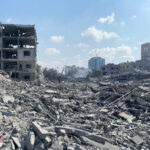
A suspected long-range drone strike struck a major data center belonging to Russian tech giant VKontakte outside St. Petersburg early Monday, disabling digital platforms and triggering localized blackouts across the metropolitan area. The incident marks one of the most substantial technical disruptions inside Russia since the start of Moscow’s full-scale invasion of Ukraine in 2022.
Targeted Strike on Russian Digital Infrastructure
Emergency responders and local authorities in the Leningrad region reported fires at an industrial utility park housing key server infrastructure for VKontakte (VK), often described as Russia’s domestic equivalent to Facebook. Local transmission lines and backup cooling facilities sustained direct impacts, prompting immediate server shutoffs to prevent catastrophic hardware damage.
Shortly after 03:00 local time, users across Russia began reporting widespread connectivity failures on VKontakte, VK Video, and affiliated payment gateways. According to independent internet monitoring groups, traffic across the VK ecosystem plummeted by more than 70 percent within minutes of the blast.
Regional energy operators confirmed that auxiliary power grids in suburban St. Petersburg also suffered cascading failures following the strike, leaving tens of thousands of residents temporarily without electricity. While municipal crews restored primary power to municipal hospitals within two hours, digital services remained unstable well into the afternoon.
Strategic Shifts in Long-Range Defense Operations
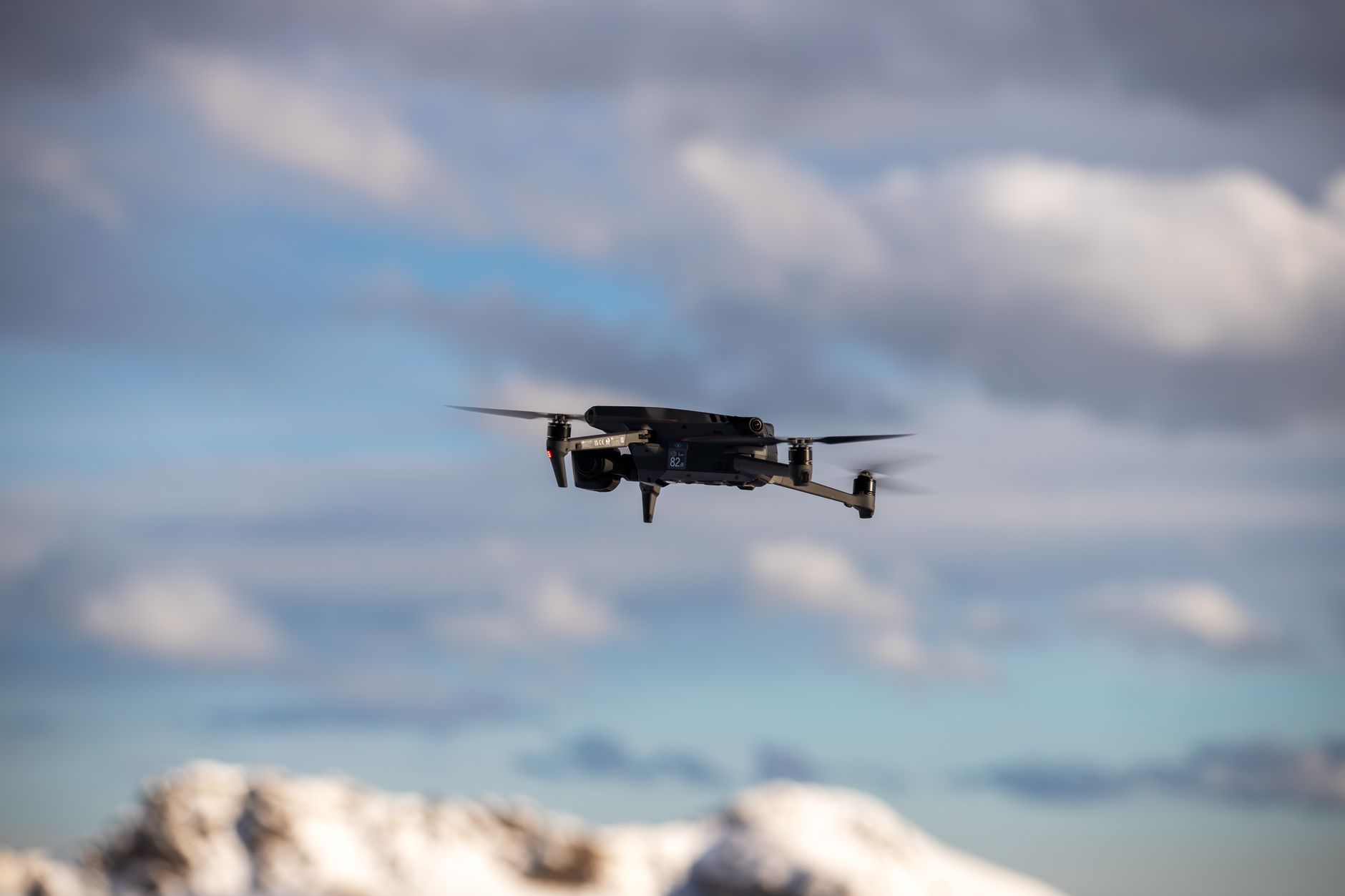
Although the Ukrainian Ministry of Defense did not immediately issue formal responsibility for the exact tactical deployment, Ukrainian security officials reiterated Kyiv’s sovereign right to counter Russian aggression by degrading critical dual-use infrastructure. In recent months, Ukraine has expanded its deep-strike capabilities using indigenous uncrewed aerial systems (UAS) to target supply chains, fuel depots, and military command networks deep behind front lines.
“Russian military command and state propaganda networks rely extensively on domestic digital infrastructure to coordinate logistics and control public narratives,” noted a regional security analyst based in Kyiv. “Disrupting server hubs inside the Russian Federation directly undermines Moscow’s wartime operational capacity.”
VKontakte has served as a central pillar of the Kremlin’s domestic communications strategy, especially following state-mandated restrictions against Western social media networks. By striking server architecture within the Russian homeland, Ukrainian defensive operations demonstrate that critical logistical hubs remain vulnerable despite layered air defense systems.
Economic and Technological Repercussions
The operational freeze at VK represents more than a communication blackout; it poses immediate financial and technical challenges for Russian enterprises. Millions of small businesses, state agencies, and banking institutions depend on VK’s cloud computing division for daily transaction processing and internal communications.
The disruption underscores growing vulnerabilities in Russia’s isolated tech sector, which has struggled to secure advanced replacement hardware amid international sanctions. With access to Western server parts and specialized microchips tightly constrained, repairing damaged high-density server racks could take weeks rather than days.
Financial analysts also warn that prolonged instability in domestic enterprise networks could accelerate economic contraction across Russian consumer sectors. For broader global economic context on technology dependencies, read how the IMF Warns AI Bubble Could Burst and Hit Economy, illustrating how concentrated technical architectures carry systemic financial risks worldwide.
Emergency Response and Service Restoration
Representatives from VK issued a brief statement acknowledging an “external physical incident at a regional technical facility” and stated that engineering teams are actively rerouting traffic to secondary data centers in central and southern Russia. However, engineers acknowledged that bandwidth bottlenecks could cause latency issues, dropped calls, and inaccessible media files for several days.
In St. Petersburg, municipal authorities deployed diesel generators to restore subways, traffic control centers, and essential emergency communication systems. Residents reported intermittent mobile network blackouts, with local telecom providers throttling speeds to conserve emergency grid capacity.
Key Operational Impacts
- Service Outages: VKontakte social networking, VK Video streaming, and integrated e-commerce portals experienced substantial downtimes.
- Grid Failures: Power substations adjacent to the data cluster caught fire, leading to blackouts across suburban Leningrad Oblast districts.
- Logistical Bottlenecks: Municipal and commercial administrative services running on VK Cloud faced operational pauses throughout western Russia.
- Air Defense Scramble: Russian military units intensified mobile radar sweeps and GPS jamming protocols across the Baltic corridor.
The Broadening Scope of Asymmetric Warfare
The St. Petersburg data center attack illustrates a consequential evolution in Ukraine’s defensive strategy against Russian aggression. Rather than confining military responses solely to occupied territories or immediate border regions, Ukrainian forces are increasingly utilizing high-precision uncrewed systems to hold strategic Russian logistical centers accountable.
By targeting digital and energy installations that facilitate state control and military coordination, Ukraine continues to assert its sovereign territorial rights while demonstrating that Russian domestic rear areas can no longer operate in complete isolation from the war Moscow initiated.
As international observers monitor the aftermath, Russian state telecommunications regulators face heightened scrutiny over their ability to defend domestic internet assets against evolving asymmetric air threats.