SAN FRANCISCO — Self-driving Waymo taxis have gone viral in recent months for all the wrong reasons, from the death of a much-loved San Francisco bodega cat to an illegal U-turn that left police unable to ticket a car with no human driver.
This week, however, the headlines took a different turn when a San Francisco woman gave birth to her baby inside a Waymo robotaxi.
According to the company, the woman was traveling to the University of California, San Francisco medical center on Monday when she went into active labor and gave birth in the car. A Waymo spokesperson confirmed the incident in a statement released Wednesday.
‘Unusual activity’ triggers call and 911 alert
Waymo said its rider support team detected “unusual activity” inside the fully autonomous vehicle and reached out to the passenger to check on her, while also alerting 911.
The company did not specify exactly how the system detected an issue, but it has previously noted that its vehicles are equipped with cameras and microphones both inside and outside the cars.
The robotaxi reached the hospital before emergency services arrived. Jess Berthold, a spokesperson for UCSF, confirmed that the mother and newborn were brought into the medical center. She said the mother was not available for interviews.
After the trip, Waymo took the vehicle out of service for cleaning. The company added that while such births are still rare, this was not the first baby delivered in one of its taxis.
“We’re proud to be a trusted ride for moments big and small, serving riders from just seconds old to many years young,” Waymo said.
Australia’s social media ban for under-16s takes effect
A bright spot amid scrutiny of self-driving taxis
The Waymo robotaxi birth comes at a time when the company is under intense public scrutiny in the Bay Area.
In September, one of its driverless cars made a U-turn in front of a sign clearly prohibiting the maneuver in San Bruno. Video of the incident spread quickly, in part because state law at the time meant local police could not issue a citation to the driverless vehicle.
Then, in October, backlash grew after a popular tabby cat named Kit Kat, a neighborhood fixture in San Francisco’s Mission District, was killed by a Waymo car. The cat’s death triggered anger among residents and renewed debate over the safety and accountability of autonomous vehicles on city streets.
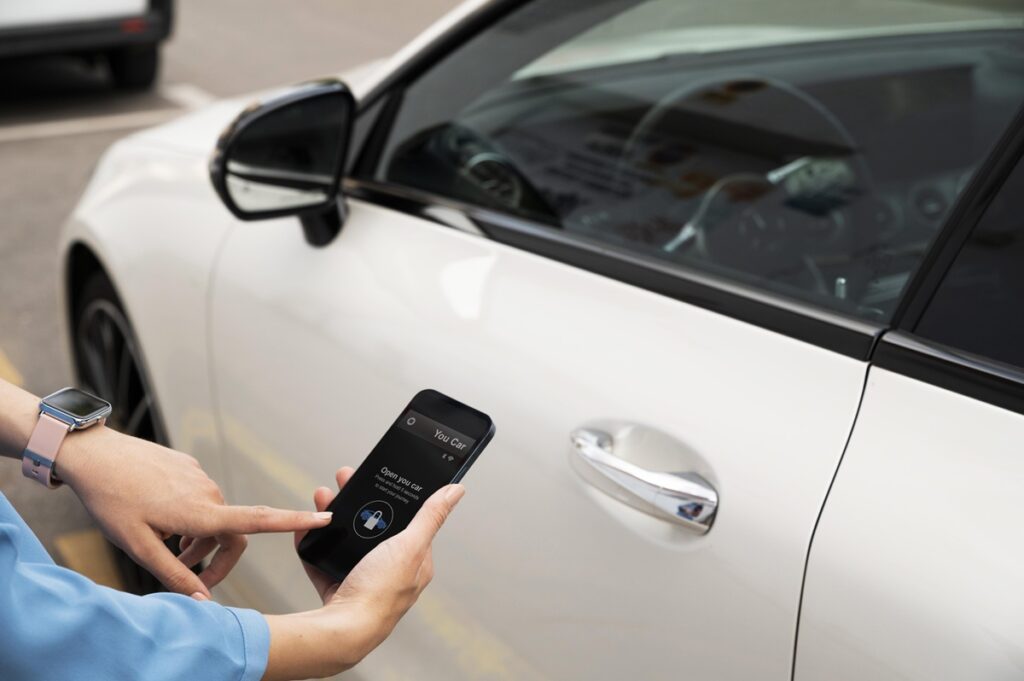
Despite the criticism, the company says usage is growing. Riders can already take Waymo taxis on freeways and interstates around San Francisco, Silicon Valley, Los Angeles, and Phoenix. The vehicles, owned by Google parent company Alphabet, are ordered through a smartphone app and operate without a human driver behind the wheel.
For Waymo, the birth in the back seat offers a rare feel-good story about a technology that often attracts headlines only when things go wrong. For one San Francisco family, it also turned a high-tech taxi into an improvised delivery room — and an unforgettable first ride.
Sources:
AP News – “San Francisco woman gives birth in a Waymo self-driving taxi”
San Francisco Chronicle – “Woman delivers baby in Waymo robotaxi en route to San Francisco hospital”
People – “Woman Gives Birth in Driverless Waymo Car on the Way to a Hospital: A ‘Rare Occurrence’”