Images chosen by Narwhal Cronkite
We Attacked Iran with No Clear Plan for Regime Change, Israeli Officials Say
The recent conflict between Israel, the United States, and Iran has raised serious questions about the strategic goals behind military actions in the Middle East. According to multiple Israeli security insiders, the assault on Iran lacked a cohesive plan for regime change, highlighting significant miscalculations in intelligence and execution. With the situation evolving rapidly, both political observers and military analysts warn of potentially grave consequences for the region and the global nuclear landscape.
Unmet Expectations: The Gamble on a Popular Uprising
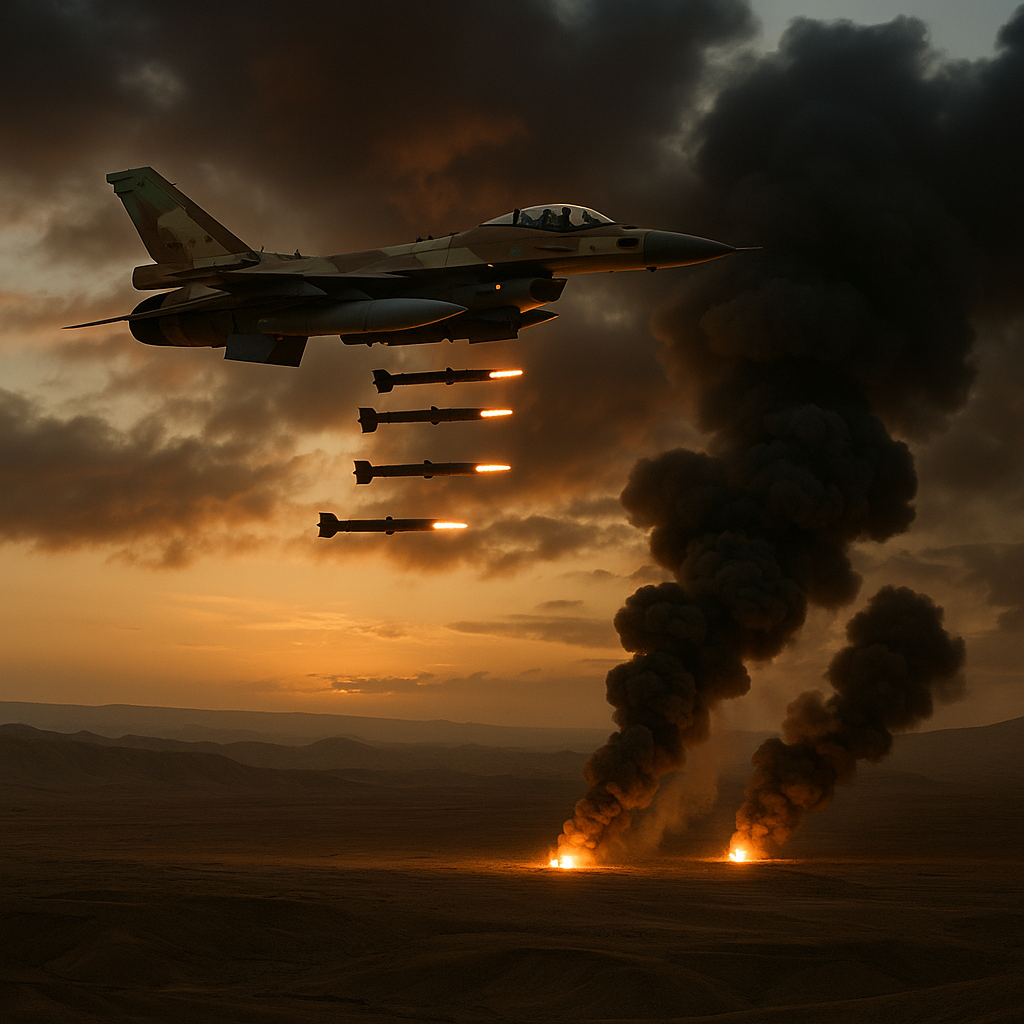
Israeli officials have admitted that the assumption driving recent airstrikes on Iran—that they would spark a popular uprising leading to regime change—was based more on idealistic “wishful thinking” than sound intelligence. “We underestimated the resilience of Iran’s ruling structure and overestimated the willingness of the Iranian populace to rise up,” shared a senior former Israeli intelligence officer in an interview.
Since the assassination of Ayatollah Ali Khamenei and two weeks of intensive bombing raids, Iran’s new leadership has tightened its grip on power, proving that regime decapitation alone does not equate to political collapse. If anything, insiders suggest, the attacks may have fortified Iran’s hardline elements, with state propaganda rallying citizens around national sovereignty and portraying foreign strikes as imperialist aggression.
This misjudgment, experts argue, will likely go down as a critical miscalculation, not only prolonging the conflict but also destabilizing an already fragile Middle Eastern political chessboard. As Joab Rosenberg, a former deputy head of Israel’s military intelligence research division, bluntly described, “Any conclusion to this war that leaves the enriched uranium in Iranian hands while strengthening hardliners will amount to a pyrrhic victory.”
The Nuclear Question: The Fate of 440kg of Enriched Uranium
Central to the ongoing crisis is the uncertainty over Iran’s nuclear stockpile. Recent U.S. airstrikes targeted secret facilities holding 440 kilograms of enriched uranium, a significant amount capable of producing more than ten nuclear warheads. However, the uranium remains unaccounted for, further exacerbating security concerns.
“These 440kg of uranium are the ultimate litmus test for whether this war is a success,” emphasized an Israeli defense official involved in Iran strategizing. “Either it needs to be removed from Iran altogether or secured under a regime we trust to safeguard it.”
The U.S. and Israeli governments are reportedly weighing risky options, including ground operations to seize the stockpile. Alternative proposals discussed before the war suggested Iran could transfer the material to a neutral country as part of a wider negotiation framework. However, such scenarios appear increasingly unlikely amid escalating hostilities. According to NPR, strikes on Iranian soil have severely degraded Tehran’s defenses, leading U.S. officials to tout early operational gains despite warnings from politicians of a widening war.
A Region in Turmoil: Hardliners and Retaliatory Strikes
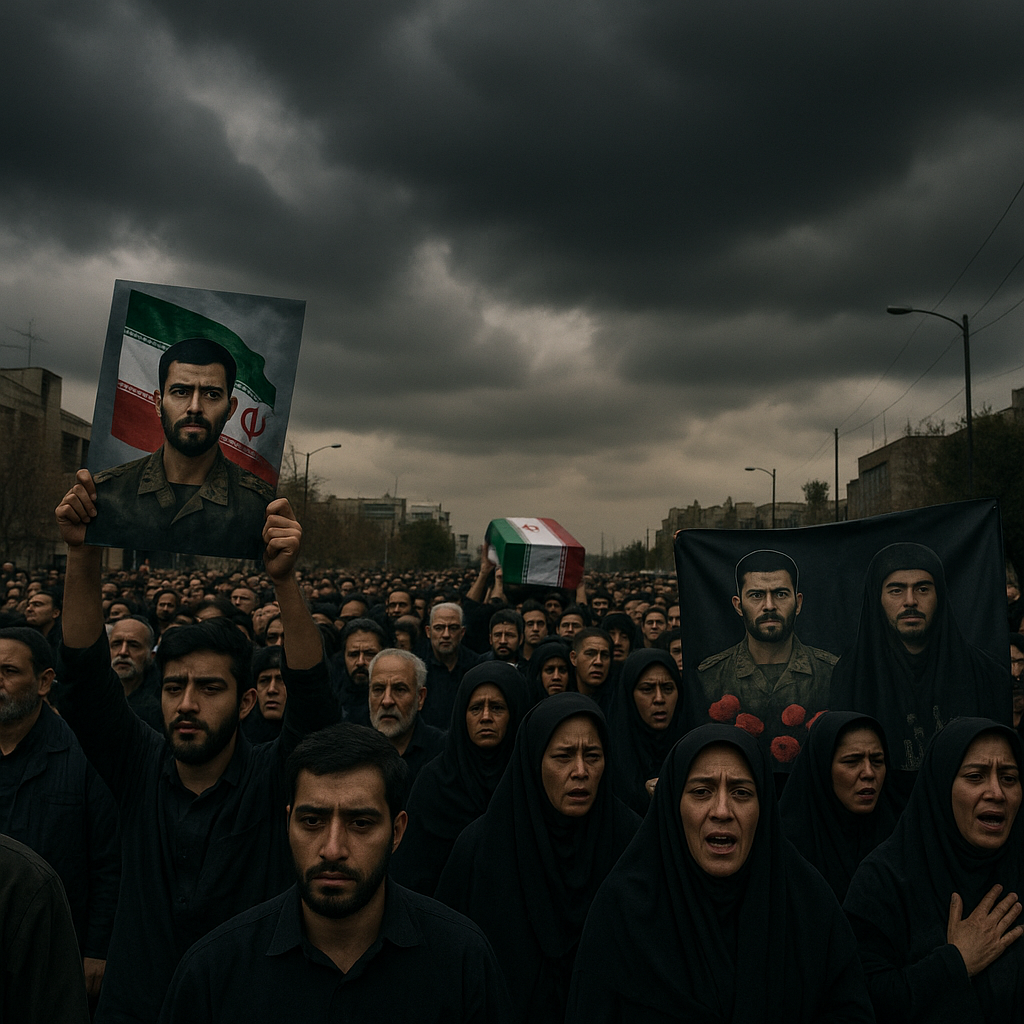
Iran’s response has been swift and calculated, challenging U.S. and Israeli narratives of dominance. According to reports from Yahoo News, Iranian drones recently targeted the U.S. Embassy in Saudi Arabia, signaling Tehran’s capability to hit back far beyond its borders. Meanwhile, hundreds of civilian casualties are being reported within Iran itself as the conflict ravages urban centers and key infrastructure.
Iran’s “Axis of Resistance,” an alliance of regional militias and proxies, has yet to fully mobilize but represents a lingering threat to U.S. and Israeli interests across the Middle East. As documented by Vox, this network was designed to counter precisely this kind of foreign intervention. Its effectiveness, however, remains questionable given the rapid de-escalation of conflicts involving associated groups following the October 7 incident, which analysts described as a turning point.
Geopolitical Implications: Old Rivalries Rekindled
The ongoing crisis exposes fractures not only in the strategic planning of Israel and the U.S. but also within international diplomacy. Critics liken the current scenario to a modern version of military adventurism akin to the Iraq War, which destabilized the region without achieving clear objectives. Rolling Stone’s analysis spotlighted former President Donald Trump’s role, labeling the war as “built on lies and fantasies.” The publication highlighted a profound lack of clarity regarding the intended endgame, both for regime change and the nuclear issue.
With domestic opposition to the war rising, especially among Democrats wary of its financial and human costs, allies of the U.S. and Israel are questioning the broader ramifications. What once was touted as a transformative operation for Middle Eastern stability increasingly resembles a scenario where “striking everything and fixing nothing” becomes the defining feature of the conflict, as one analyst put it.
The Atlantic offered a similarly scathing critique, listing no fewer than ten rationales for the war as articulated by the U.S. administration. Ranging from nuclear concerns to retaliatory responses for attacks on American assets, these justifications only obscure a growing reality: the absence of an achievable post-war vision.
What Lies Ahead?
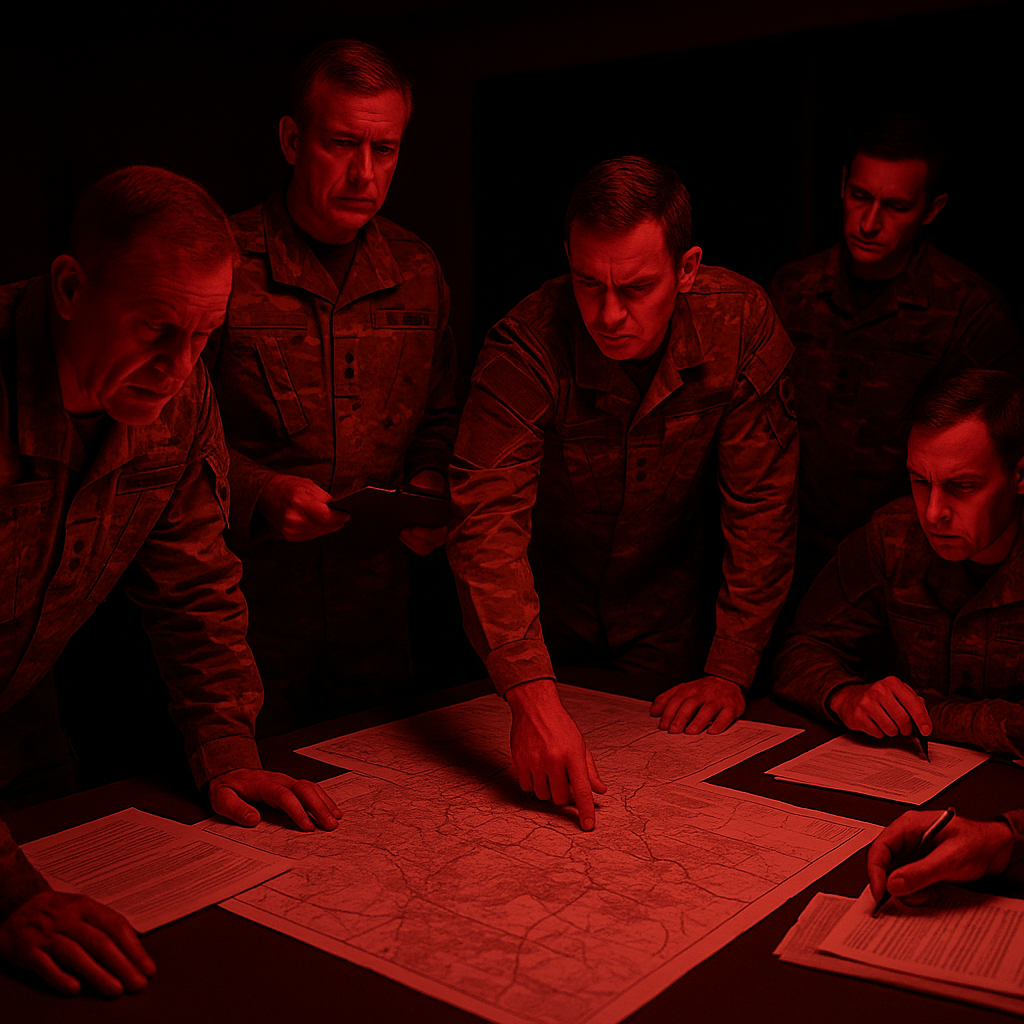
The implications of this war stretch far beyond the immediate theater of combat. If Iran’s new hardline leadership maintains power and retains its enriched uranium stockpile, the outcome would mark a dangerous milestone toward the Islamic Republic’s nuclear ambitions. Emboldened hardliners could pursue a nuclear weapon with renewed determination—an alarming prospect for global security alliances, particularly the non-proliferation framework.
The coming weeks will be instrumental in determining the trajectory of this conflict. Will the U.S. and Israel expand their military operations, potentially escalating the situation further? Or will there be a pivot toward diplomatic solutions involving third-party mediation to resolve the fate of Iran’s uranium stockpile and address regional instability?
As the world watches, analysts agree on one point: a clearer, more cohesive strategic vision is desperately needed. Otherwise, this high-stakes gamble risks upsetting the tenuous equilibrium in the Middle East while delivering few, if any, tangible victories for its architects.