Images chosen by Narwhal Cronkite
YouTube Ads are Getting Longer and Unskippable: What It Means for Viewers
The days of quickly skipping YouTube ads may soon become a thing of the past—especially for viewers watching content on their television screens. In a bold move, Google, YouTube’s parent company, has announced that it will start rolling out 30-second unskippable ads specifically targeted at its TV app. The decision is already igniting debates among tech analysts, advertisers, and users alike. But why the change, and what does it mean for YouTube’s evolution?
Google’s TV Strategy: Turning YouTube into Prime-Time Programming
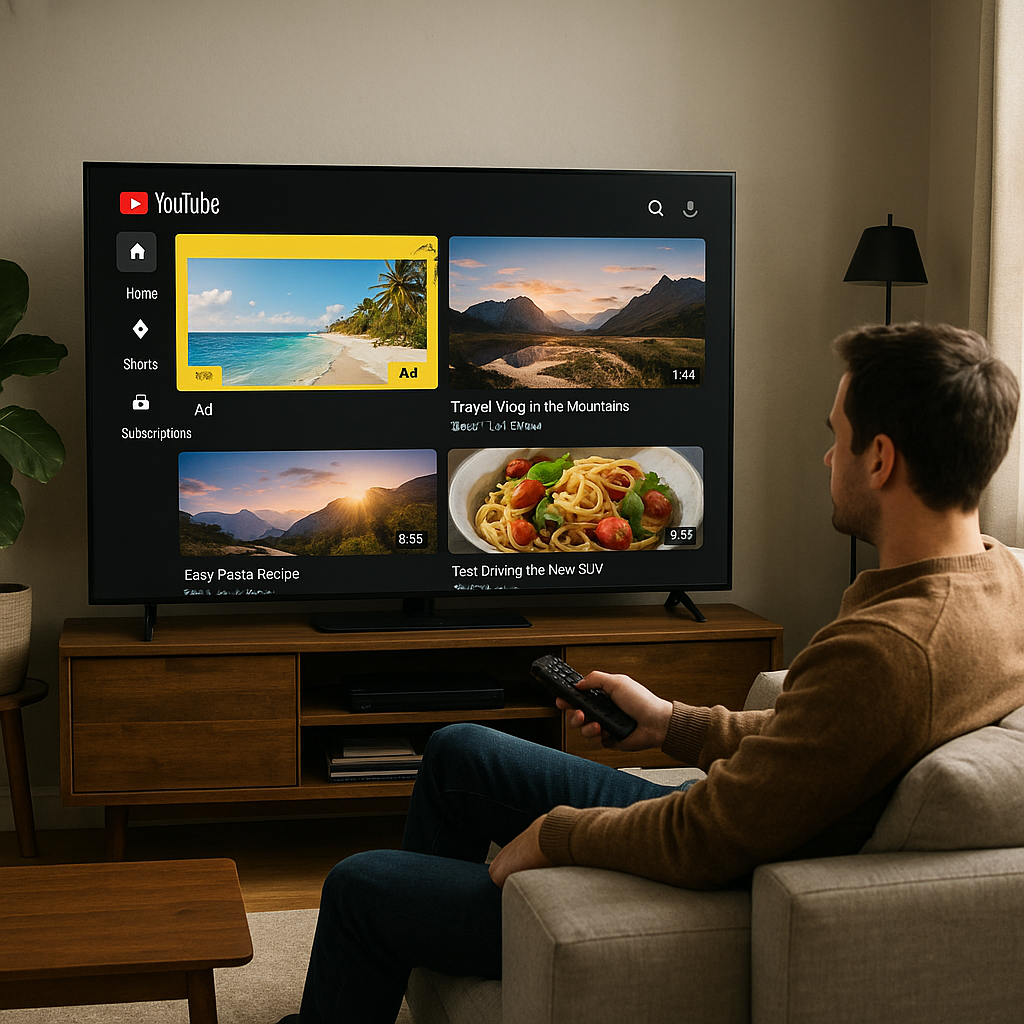
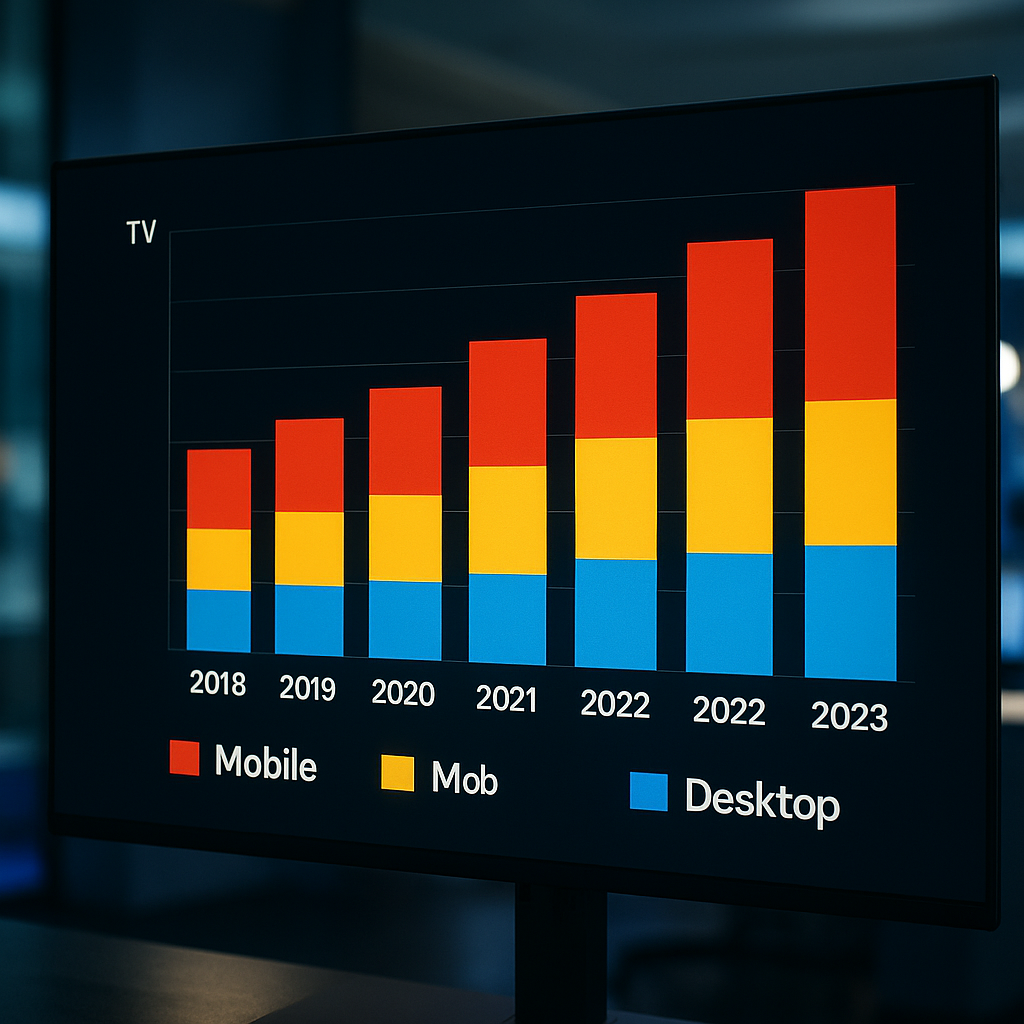
Google clearly sees the shifting tide in how people consume content. According to the company, television screens have rapidly become one of YouTube’s fastest-growing platforms. Financial research firm MoffettNathanson even declared YouTube the “new king of all media,” surpassing Disney’s estimated $62 billion in annual revenue in 2025.
Unlike desktop or mobile viewing, TV-based consumption mimics traditional living-room habits, where longer ad spots are more acceptable. “Google AI dynamically optimizes between 6-second bumpers, 15-second standard ads, and 30-second CTV-only unskippable formats, ensuring your campaign reaches the right audience at the right time,” Google announced in its release.
This strategy highlights YouTube’s growing efforts to cater to advertisers looking for prime-time-like opportunities to reach engaged viewers. For users, however, it means the possibility of more intrusive ad experiences as they stream their favorite content on connected TVs. As reported by Dexerto, these 30-second ads will leave viewers with no option to skip—unless they decide to purchase YouTube Premium.
Longer Ads: A Necessary Evil or Viewer Fatigue?
While advertisers may celebrate the enhanced ability to grab viewers’ attention for longer, many tech enthusiasts worry about the impact on the overall viewer experience. YouTube has long faced criticism for ramping up ads and cracking down on tools like ad blockers. The implementation of unskippable formats could further alienate viewers who already feel inundated with disruptive interruptions during their binge sessions.
Gina Bianchini, a media expert, noted in a conversation with The Verge that “this move reflects the industry’s broader push to normalize ads in digital streaming spaces. However, it also raises questions about whether platforms are doing enough to balance the needs of viewers versus advertisers.”
Google’s positioning of YouTube Premium, currently priced at $11.99 per month, is central to their strategy. By increasing frustration with ads, Google may be able to drive more conversions to this subscription tier. Additionally, as Dexerto points out, YouTube has recently introduced a cheaper $7.99 Premium Lite plan in select countries, giving viewers access to an ad-free experience minus other Premium features.

YouTube’s Evolving Role as a Media Giant
YouTube’s move toward longer ads is just part of its broader transformation into a media powerhouse. MoffettNathanson’s analysis underscores how YouTube’s trajectory increasingly mirrors that of traditional television networks—complete with longer ads, premium subscription bundles, and a focus on “lean-back” viewing.
But YouTube’s growth into TV spaces hasn’t come without controversy. Certain markets have pushed back against YouTube’s ad policies. Earlier this year, Vietnam announced limitations on ad durations, allowing only five seconds for pre-roll and pop-up ads. Indonesia also made headlines this month by banning YouTube (and other social media apps) for users under the age of 16 due to child safety concerns, as reported by CNET.
These restrictions reflect growing dissatisfaction with the platform’s ad practices and content management, even as YouTube continues to dominate viewership metrics globally.
What Does This Mean for Advertisers and Competitors?
For advertisers, YouTube’s emphasis on TV screens could be a game-changer. The platform’s new formats offer opportunities to reach a household audience that is more likely to absorb full ad spots in a relaxed setting. This could drive brand loyalty in ways that quick-hit mobile ads cannot.
Industry observers suggest that competitors like Netflix and TikTok may need to respond to YouTube’s evolving strategy. Both platforms have explored ad-supported subscription tiers as a way to enhance profitability. Netflix launched its own ad tier in late 2026, aiming to woo budget-conscious users while creating avenues for premium advertisers.
“YouTube’s success in integrating TV-like advertising models could pressure other platforms to rethink their approaches,” said Hank Green, a media entrepreneur in a recent podcast with The Verge.
What Should Viewers Expect Moving Forward?
The introduction of longer, unskippable ads is likely to result in stronger divides between free and paid YouTube users. For free-tier viewers, ad fatigue may become a daily frustration as they navigate increasingly interruptive ad formats. Meanwhile, Premium subscribers will see even greater incentives to remain onboard, particularly if YouTube continues to expand exclusive features to these tiers.
Additionally, regulatory bodies in different countries may step in as users demand fairer ad placement policies. Vietnam and Indonesia’s responses could set precedents for other governments considering limitations on intrusive advertising.
At its core, YouTube’s strategy reflects a dual ambition: enhancing advertiser satisfaction while nudging users toward paid subscriptions. How the platform balances these priorities will determine whether it sustains its dominance or alienates portions of its audience.
The Road Ahead: Will YouTube’s TV Move Pay Off?
As YouTube transforms into a hybrid entertainment network and advertising juggernaut, several questions loom. Will viewers stick with free, ad-heavy content or make the leap to paid subscriptions? Could escalating frustrations push users toward competitor platforms like Netflix and TikTok? And finally, will regulators find new ways to ensure fair practices in the era of digital advertising?
The next few years will be pivotal for YouTube and Google as they execute this strategy. Advertisers stand to win big, but the jury is still out on whether audiences will accept or resist longer ad interruptions. One thing is clear—YouTube is betting big on TV ad formats, aiming to dominate living rooms worldwide.