Images chosen by Narwhal Cronkite
YouTube Expands Unskippable 30-Second Ads to TVs After $40 Billion Revenue Year
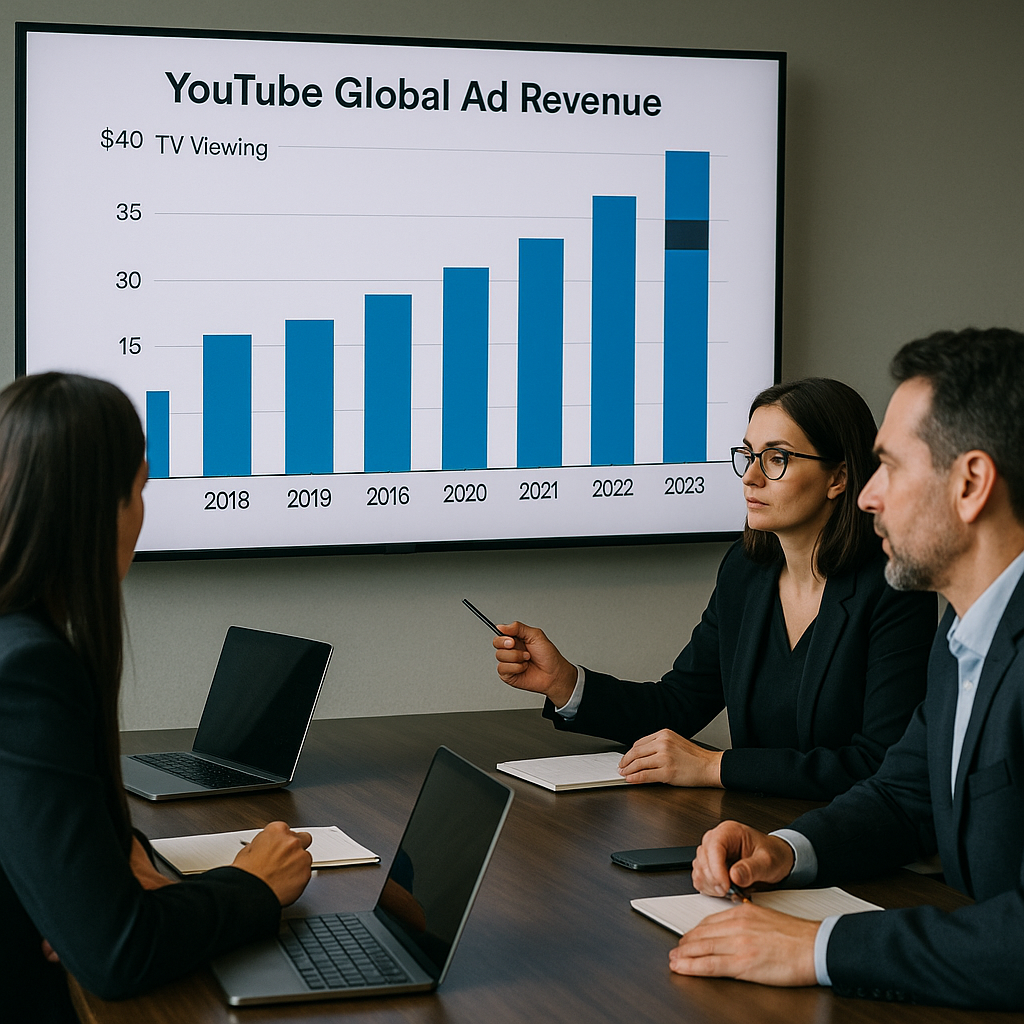
YouTube’s rapid evolution as a powerhouse in the entertainment industry hit a crucial new milestone recently. The platform, which generated over $40 billion in ad revenues in 2022, is now implementing unskippable 30-second ads on TVs. This move signals an ambitious bid to secure even deeper engagement from viewers accessing the platform via their home television sets, while leveraging advertisers’ willingness to pay premium rates for extended visibility.
Redefining Advertising for a Connected World
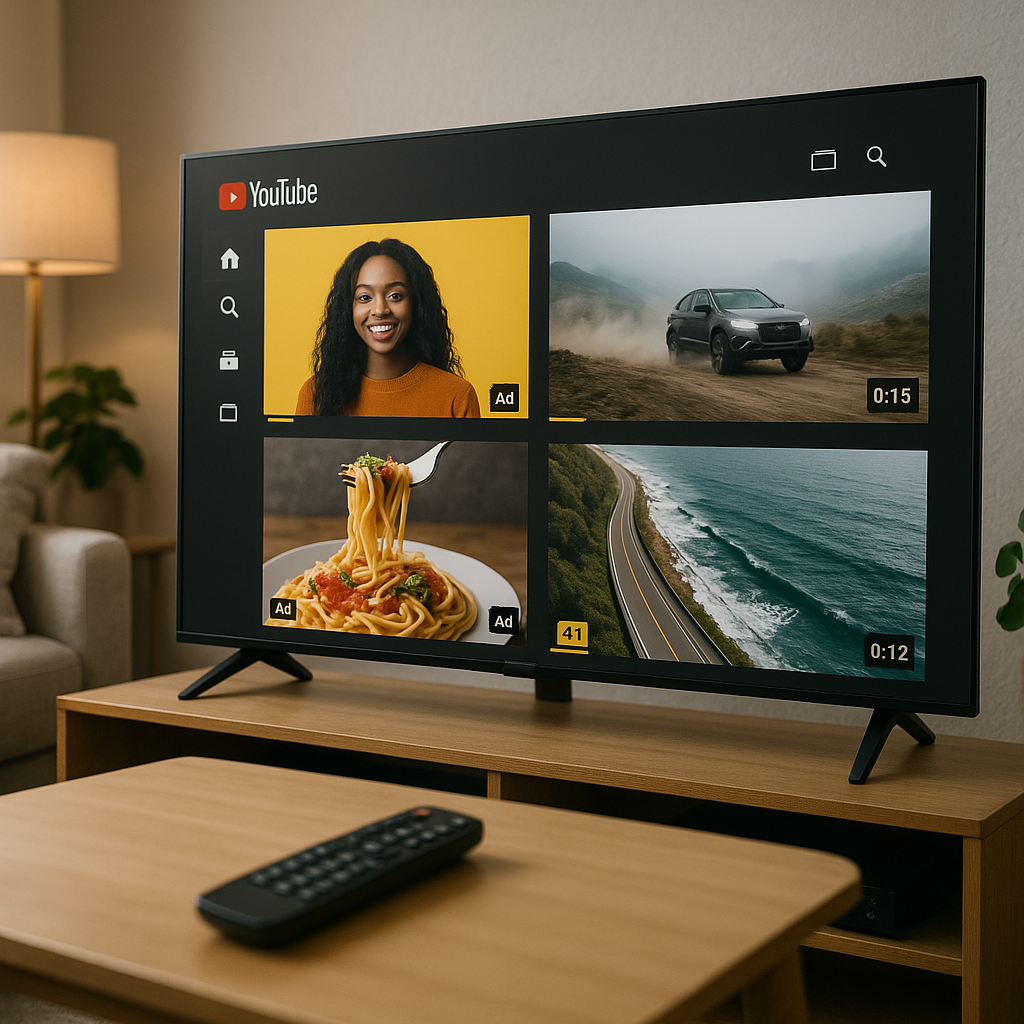
As reported by TechSpot, YouTube’s decision to introduce unskippable ads marks a strategic pivot in response to shifting user habits. More than ever, audiences are consuming YouTube content on TV screens rather than just on mobile devices or desktops. Nielsen data shows a remarkable growth in TV-based viewing for YouTube, now accounting for close to 25% of watch time on the platform. By embracing TV as a critical viewing medium, YouTube is catering to advertisers who see large-screen content as an ideal space for brand storytelling.
The 30-second ad format, already a staple in traditional television advertising, aims to build brand recall through longer, uninterrupted messaging. YouTube’s ability to tailor these ads to its extensive detailed viewer data adds an edge, making its commercial offerings more appealing to marketers compared to conventional TV campaigns.
The $40 Billion Question: How Much Is Too Much?
YouTube’s $40 billion ad revenue paints a picture of success, but it also prompts important questions about viewer experience. Although the longer ad format could enhance engagement for advertisers, it risks alienating consumers who are accustomed to skippable ads—one of YouTube’s historically distinctive features.
“There’s a careful balance that YouTube must strike,” noted Susan Adams, a media analyst at TechCrunch. “The moment they tip too far into compromising user experience, competitors like Netflix or TikTok will seize the opportunity to claim disenchanted audiences.”
It’s worth noting that YouTube isn’t alone in exploring extended ad formats. Streaming services like Hulu, Peacock, and Paramount+ have also embraced longer, unskippable ads to bolster profits. Yet the difference lies in YouTube’s hybrid nature—it functions as a social media platform, a search engine, and now increasingly, a ‘TV-light’ experience. If the company succeeds here, it could further blur the line between video-on-demand giants and user-generated platforms.

What Advertisers Stand to Gain
For advertisers, YouTube’s expansion into longer TV ad slots offers prime advantages. A 30-second spot provides significantly more emotional and narrative room for brands to connect with viewers than the shorter, standard 10- to 15-second formats. Industry observers are already eyeing the measurable outcomes of this test phase.
The ability to target ads seamlessly across diverse demographics is key. “YouTube’s advantage lies in its unparalleled user data,” explained marketing specialist John Ferguson during a recent Reuters panel. “They can pinpoint who’s watching, at what time, and on which device. That granularity makes longer ads a worthwhile investment.”
On the other hand, potential pitfalls exist. If viewer engagement drops sharply—due to frustration with ads they can no longer skip—brands could see diminished returns. Additionally, as viewers switch from mobile to TV, metrics like click-through rates may hold less relevance compared to traditional TV metrics like eye-on-screen time.
What It Means for Consumers
For everyday viewers, this change is more than just a mild inconvenience. It reflects a broader trend of monetizing attention in digital ecosystems. YouTube promises premium content and free accessibility for most services, but platforms are increasingly hinging this promise on higher ad loads.
“It feels like the choices are narrowing,” shared media strategist Clara Bolton in an interview with TechCrunch. “Users want to manage the time they spend watching advertisements, but companies are moving in the opposite direction. It’s a classic push-pull dynamic, and the question is who’ll blink first—consumers or advertisers?”
Subscribers of YouTube Premium remain exempt from ads, meaning that for some users, the decision might boil down to upgrades or finding alternative platforms without unskippable ads.
Implications and What to Watch For
As YouTube ventures further into TV advertising models, a key area to watch will be its impact on the broader industry. Streaming services are increasingly relying on ad-based revenue for profitability, and YouTube’s experiment could extend into competitive platforms if it proves successful. For now, analysts are looking closely at audience engagement metrics following the rollout.
Moreover, the move intensifies scrutiny around monetization strategies. Platforms must weigh profit-driven changes against fostering loyal user bases—something essential in a competitive online video landscape. YouTube’s success here could encourage deeper experimentation with ad formats across its entire portfolio, including live-streams, shorts, and international markets.
Ultimately, the platform’s ability to evolve while maintaining user satisfaction will determine whether unskippable ads are a strategic triumph or a setback.