Images chosen by Narwhal Cronkite
Yu-Gi-Oh Accuses White House of Anime Footage Use Without Permission
In an unusual turn of events, the creators of the beloved anime Yu-Gi-Oh have called out the White House for including clips from their anime series in a recent social media post without authorization. This unexpected controversy highlights the evolving complexities of intellectual property rights in an increasingly meme-driven digital age.
The White House’s Foray Into Memes and Media
Over the past few months, the White House’s social media strategy has embraced a highly distinctive tone, leaning heavily on internet memes and pop culture references. Whether it’s video montages set to the electrifying Mortal Kombat theme or incorporating popular series like Breaking Bad and Dragon Ball Super, this approach has left many applauding the strategy’s relatability while others question its appropriateness for a governmental institution.
On March 5, the White House posted a video titled “JUSTICE THE AMERICAN WAY” on its official X account (formerly known as Twitter), which included a sequence of clips from various iconic franchises. Alongside action-packed snippets from properties like Transformers and the Halo video game series, a scene from Yu-Gi-Oh made a surprise appearance.
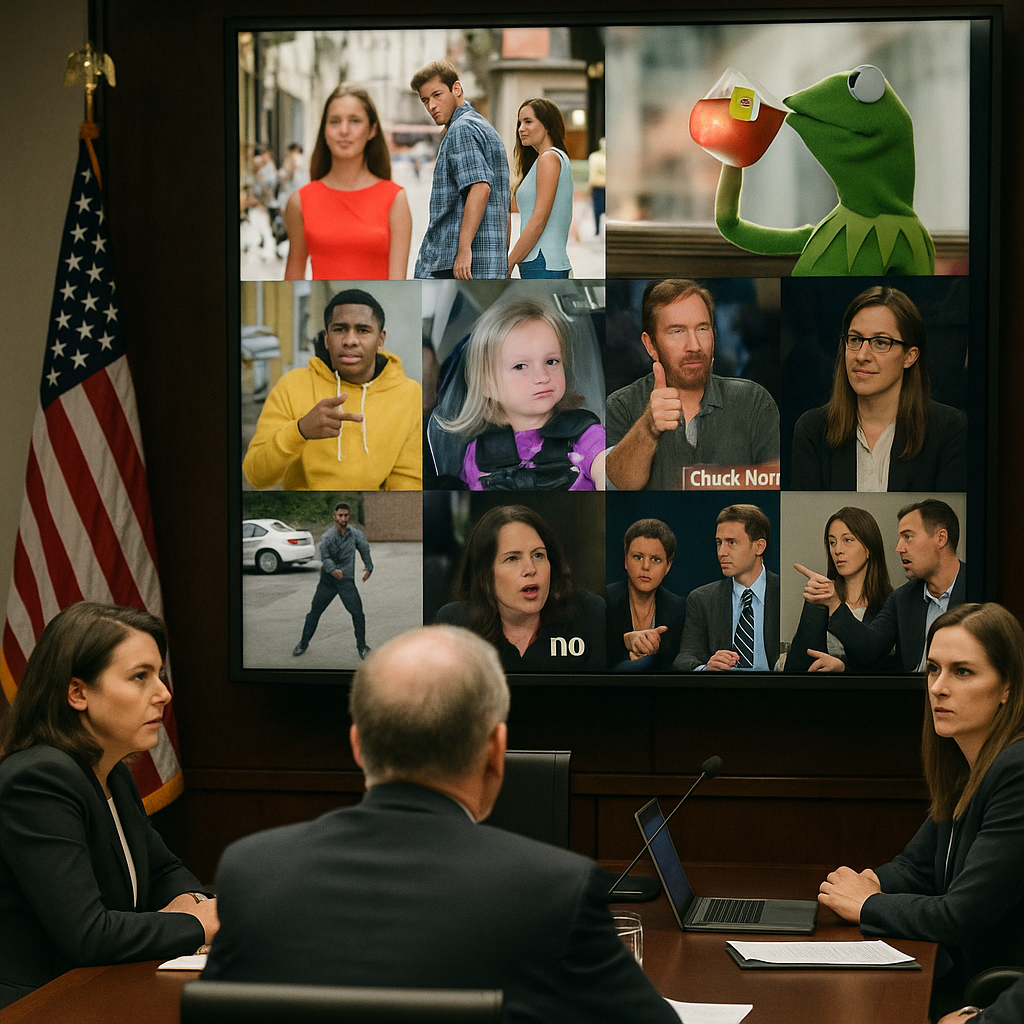
While the montage quickly gained traction among netizens for its cinematic flair, not everyone was amused. Just days later, the official Yu-Gi-Oh account publicly responded, stating that the footage was used “without any authorization from the rights holder.”
Yu-Gi-Oh’s Response: A Call for Accountability
In a strongly worded statement published on their social media channels on March 10, the team behind Yu-Gi-Oh made it clear that they had no involvement nor granted permission for their intellectual property to be used in the government’s post.
“It has come to our attention that a post on the White House’s official X account used footage from the anime series Yu-Gi-Oh. Regarding this matter, no one associated with the manga or anime had any involvement, and no permission was granted for the use of this intellectual property.”
For a cultural phenomenon that is as fiercely protective of its IP as Yu-Gi-Oh, the unauthorized use of their content is no small matter. The franchise, under the ownership of Konami, has long established a reputation for safeguarding its brand to maintain consistency and integrity in its messaging. According to industry analysts, this incident highlights the tension between governmental use of pop culture and the original creators’ rights to control how their work is distributed and contextualized.
A Broader Pattern of Pop Culture Missteps
Yu-Gi-Oh’s concerns aren’t isolated. The inclusion of celebrities, franchises, and slogans in politically charged or governmental contexts has ignited similar backlash in recent years. For instance, Steve Downes, the voice actor behind Halo’s Master Chief, expressed disapproval over the unauthorized use of his iconic character in the White House’s video.
“Let me make this crystal clear: I did not participate in nor was I consulted, nor do I endorse the use of my voice in this video, or the message it conveys,” Downes stated publicly.
Adding to the controversy, The Pokémon Company also released a statement when their logo was co-opted by the White House in a separate social media post promoting the phrase “MAGA” (Make America Great Again). “No permission was granted for the use of our intellectual property,” remarked Sravanthi Dev, a spokesperson for the company, reaffirming their neutral position on political matters.
Critics argue that using copyrighted works without authorization sets a dangerous precedent, particularly when large, influential bodies like government agencies are involved. This is especially pertinent in a time when content creators of all scales are fiercely combating copyright infringement within the digital domain.
Legal and Cultural Implications
The legal ramifications of this incident are not yet fully clear. As of now, there has been no explicit mention of whether Konami or other affected parties plan to pursue legal action against the White House. However, experts in intellectual property law emphasize that public entities must abide by the same copyright regulations as private organizations, opening the door for potential lawsuits or demands for restitution.
According to Prof. Laura Bennett, a legal scholar specializing in intellectual property rights, “While viral content has shifted the boundaries of creative expression, legal protections for copyrighted works remain foundational. A government entity using copyrighted material without authorization could unintentionally erode accountability for copyright enforcement.”
Beyond the courts, cultural commentators are raising questions about the White House’s embrace of internet culture. Critics express concern that this strategy undermines the seriousness of the institution by appropriating entertainment media in unregulated ways. Supporters, on the other hand, hail it as a groundbreaking way to connect with younger generations, especially in an age of declining civic engagement.

The Takeaway and Looking Ahead
As the dust settles from this unexpected clash between a beloved anime franchise and one of the most powerful institutions in the world, key questions remain unanswered. Will Konami seek legal recourse, and will this prompt broader conversations about intellectual property use in the political arena? For now, the White House has remained silent on the matter, leaving the public—and the creative industries—wondering what accountability will look like in this scenario.
For fans and industry observers, the incident also underscores the need for clear boundaries between entertainment and government messaging. While the inclusion of pop culture in official discourse can provide relatability and humor, it must also respect the rights and intentions of content creators whose works define the cultural zeitgeist.
Moving forward, this incident serves as a wake-up call to organizations operating in the endless scroll of meme culture: viral content may be fleeting, but the repercussions of crossing legal and ethical boundaries surely are not.
What to Watch For Next
Legal experts and fans alike will be keeping a close eye on Konami’s next steps in response to the alleged copyright violation. Additionally, this could spark broader conversations surrounding copyright law enforcement in the digital age, particularly where social media and government communications intersect.
As technologies like AI and meme culture further blur the lines of creative ownership, one thing is certain: debates about intellectual property, ethical use, and creative freedoms are only just beginning to unfold in public discourse.