CNN’s political team published an updated ranking on August 10 of the nine U.S. Senate races considered most likely to switch party control in the November 2026 midterms. The list spans open seats left by retiring senators and incumbent-held battlegrounds, reflecting a map where Republicans are defending a narrow majority won in 2024.
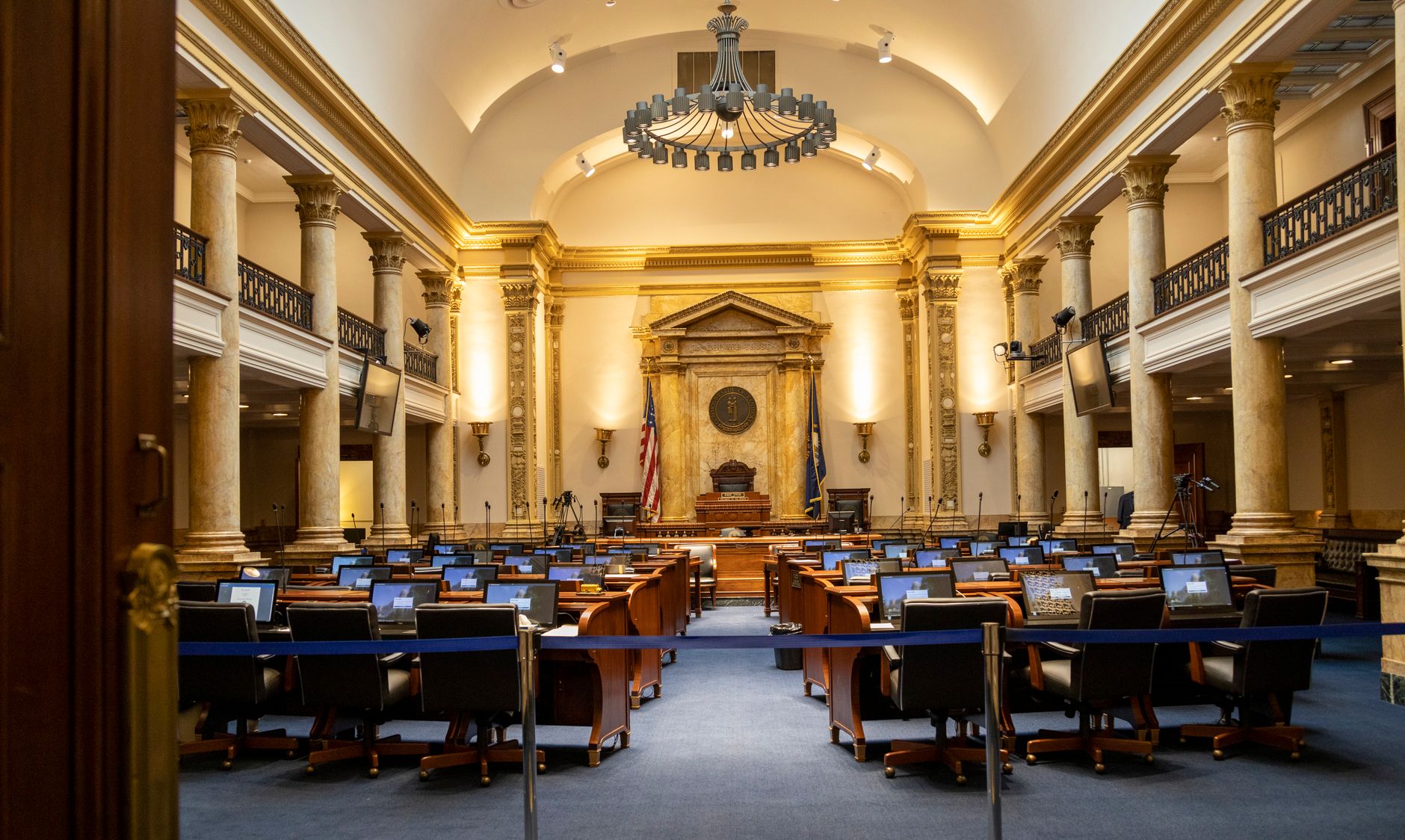
Republicans currently hold 53 seats to Democrats’ 47, giving the GOP some cushion, but a wave of retirements has opened several seats to genuine competition in both directions.
Open Seats Reshuffle the Map
Several of the most closely watched races involve senators who chose not to seek reelection, leaving no incumbent advantage on the ballot.
- North Carolina — Republican Sen. Thom Tillis announced he would not run again, opening a seat in a state that has trended competitive in recent statewide contests. Both parties are treating the race as a top-tier pickup opportunity.
- Michigan — Democratic Sen. Gary Peters is retiring, leaving an open seat in a state President Trump narrowly won in 2024. Democrats are defending turf that has grown less predictable in recent cycles.
- New Hampshire — Democratic Sen. Jeanne Shaheen’s retirement creates another open contest in a state known for split-ticket voting and unpredictable Senate outcomes.
- Minnesota — Democratic Sen. Tina Smith is stepping aside, giving Republicans an opening in a state they have not carried statewide in years but where margins have tightened.
Incumbents Under Pressure
Beyond the open seats, several sitting senators face what strategists in both parties describe as genuine reelection fights.
- Georgia — Democratic Sen. Jon Ossoff, first elected in a 2021 runoff, is seeking a full term in a state that remains among the most closely divided in the country. Republicans view his seat as their clearest path to padding their majority.
- Maine — Republican Sen. Susan Collins is seeking another term in a state that has voted for Democratic presidential candidates for decades. Collins has survived tough races before, but Democrats consider her seat one of their best remaining targets.
- Texas — Republican Sen. John Cornyn faces a contested primary that has exposed divisions within the state GOP, raising questions about the party’s strength in a general election that would ordinarily favor Republicans comfortably.
- Nebraska — Republican Sen. Pete Ricketts is expected to face independent candidate Dan Osborn, a former union leader who ran a closer-than-expected race against Nebraska’s other senator in 2024. Osborn’s ability to attract crossover support has kept the race on strategists’ radar despite the state’s strong Republican lean.
- Louisiana — Republican Sen. Bill Cassidy, who voted to convict President Trump in his second impeachment trial, faces a competitive primary challenge that could complicate the party’s hold on the seat even though the state remains solidly Republican in general elections.
What the Rankings Signal
Taken together, the list underscores a midterm map shaped less by uniform national swing and more by state-specific dynamics: retirements removing incumbency advantages, primary fights testing party unity, and independent or crossover candidates complicating traditional partisan assumptions.
Historically, the party that does not hold the White House tends to gain seats in midterm elections, a pattern both parties are watching closely as they allocate resources. Democrats need a net gain of four seats to flip control of the chamber, a steep climb given the current map, while Republicans are focused on defending their majority and, where possible, expanding it in states like Georgia and Nebraska.
Money and Turnout Will Matter
Both parties’ campaign committees have already begun directing resources toward the nine races, and outside spending groups are expected to pour tens of millions of dollars into states like North Carolina, Georgia and Michigan before Election Day. Turnout in midterm years typically favors whichever party is more energized by opposition to the sitting president, a dynamic strategists in both parties say could prove decisive in several of these contests.
Primary season will also play a role in shaping the final matchups. Contested Republican primaries in Texas and Louisiana, in particular, could produce nominees further from the political center, potentially affecting general election competitiveness in states that otherwise lean Republican.
Looking Ahead
With the general election roughly three months away, candidates in all nine races are ramping up fundraising, advertising and voter contact efforts. Polling in several of the contests remains within the margin of error, and analysts caution that rankings like CNN’s are snapshots that can shift significantly as primaries conclude and campaigns enter their final stretch.
Election analysts note that Senate control often comes down to a handful of states where local factors—retirements, primary battles, and candidate quality—outweigh national political trends.
Voters in the nine states will make their choices on November 3, 2026, in contests that will determine not only the balance of power in the Senate but also the trajectory of legislative priorities for the remainder of President Trump’s term.