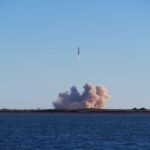
United Launch Alliance’s Vulcan rocket failed after launching from Space Launch Complex 41 on November 15, 2026, destroying 40 Amazon Leo satellites, The Verge reported. ULA said the vehicle suffered an anomaly 10 minutes into the flight and failed to deliver Amazon’s mission to orbit.
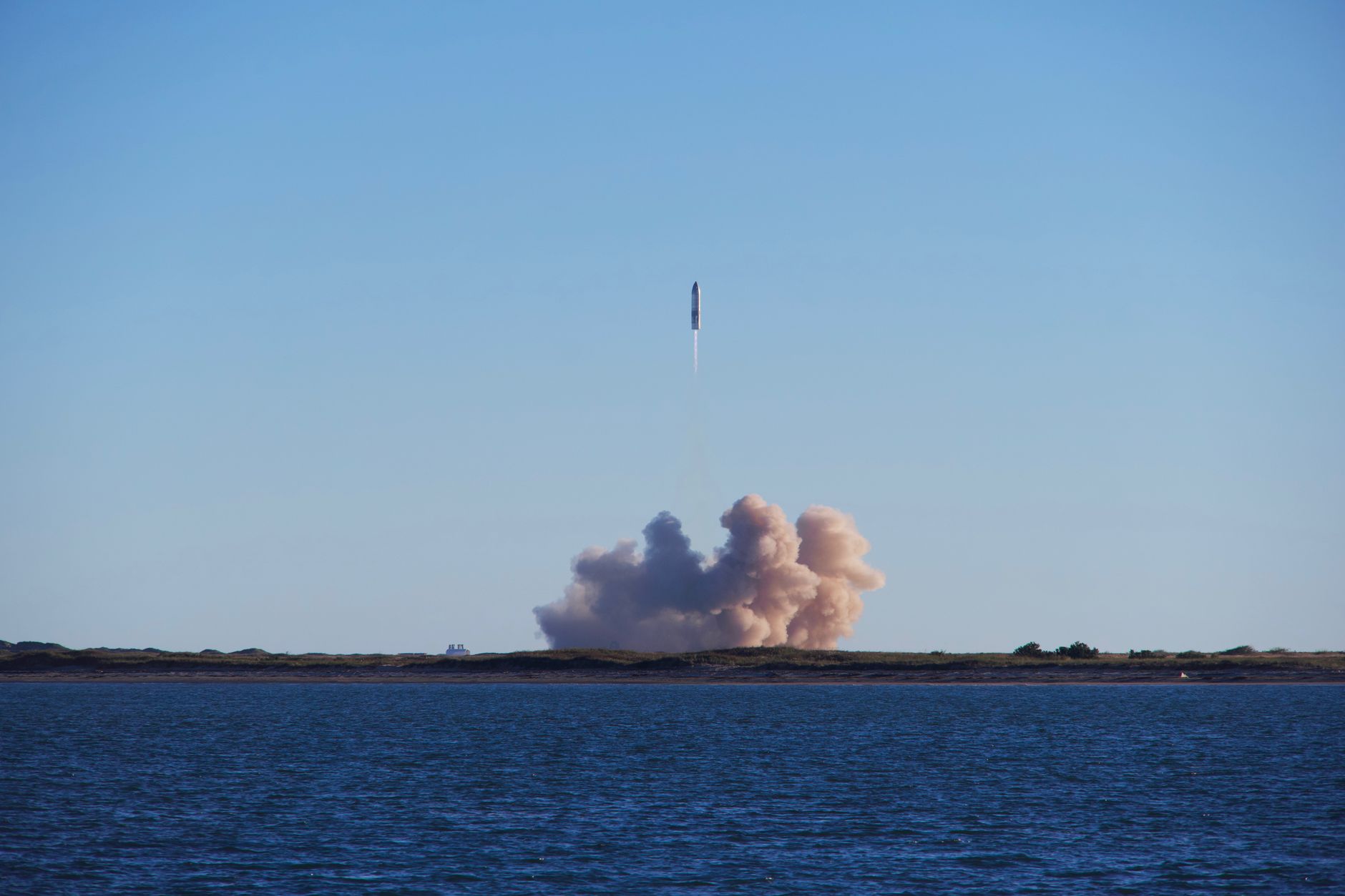
The launch was supposed to be the first of 38 flights Amazon purchased from ULA. The Verge described the loss as reportedly the first mission failure in the launch company’s 20-year history.
Amazon responded by expressing confidence in ULA, describing the company as a trusted partner and acknowledging the risks associated with launches. ULA, meanwhile, said the cause was unclear and committed to transparency as it continued investigating the unsuccessful flight.
Vulcan rocket anomaly confirmed during flight
ULA confirmed the unsuccessful mission in a statement posted on X, citing information received by its launch director. The statement identified both the launch complex and the point in the flight when the anomaly occurred.
“Based on data received by our Launch Director, we confirm that the Vulcan vehicle launched from Space Launch Complex 41 suffered an anomaly 10 minutes into the flight and failed to deliver the Amazon mission to orbit.”
The company said the cause of the failure was unclear and pledged transparency as its investigation continued, according to The Verge. Its confirmation established that the mission had failed, but did not identify what caused the anomaly.
ULA’s account placed the anomaly after the vehicle had launched, 10 minutes into its journey. The company described the event as an anomaly and confirmed the unsuccessful orbital delivery, while its investigation into the cause of the failure remained underway.
The Times of India also reported the destruction of 40 Amazon satellites in its headline, identifying ULA as a Boeing-Lockheed Martin joint venture.
Loss hits Amazon’s Starlink competitor
The destroyed spacecraft were part of Leo, Amazon’s competitor to SpaceX’s Starlink. The Verge reported that Leo had struggled to get off the ground and had placed only a small portion of the satellites needed to challenge Starlink into orbit.
The failed flight therefore involved a satellite program that was already struggling to build its orbital presence, according to the outlet’s account. The 40 Amazon Leo satellites aboard the mission did not reach orbit.
The Verge’s description of Leo’s difficulties concerned its progress in getting satellites into orbit. The outlet characterized the number already deployed as a small portion of what Amazon needed to compete with Starlink, rather than describing a fully deployed rival to SpaceX’s service.
First flight in a 38-launch purchase
The Vulcan rocket mission was intended to begin the series of 38 flights Amazon had purchased from ULA, The Verge reported. Amazon referred to the inaugural mission as LV-01 in its response to the loss.
The launch also ended in what The Verge characterized as reportedly ULA’s first mission failure across two decades. That description of the company’s record came from the outlet; ULA’s quoted statement focused on the anomaly and its failure to deliver the Amazon mission.
Amazon’s purchase covered 38 flights, with the November 15 launch intended as the first in that agreement. The company’s response addressed both the inaugural mission and its longer-term relationship with ULA, expressing support for its partner despite the loss of the satellite payload.
Amazon voices confidence in ULA
Amazon publicly backed its launch partner despite the loss. In a statement posted on X, the company acknowledged launch risk and expressed confidence that ULA would learn from the failed mission.
“ There is risk with any launch, and that’s especially true for inaugural missions like LV-01. ULA has been a trusted partner for Amazon, and we believe they’ll learn from this mission and deliver on their long-term plans for Vulcan.”
That endorsement was Amazon’s assessment of its launch partner following the failure. The company pointed to the risks of inaugural missions in explaining its response, while framing its expectations for Vulcan around ULA learning from LV-01 and delivering on its long-term plans.
Amazon’s statement emphasized its continuing confidence in the partnership, while ULA’s response centered on investigating the failure. The cause of the Vulcan rocket anomaly remained unclear in the company’s account reported by The Verge.