TL;DR
The national average price of gasoline has climbed back above $4 a gallon after crude oil surged more than 15% in a single week, driven by escalating tensions tied to Iran and Russia. Energy analysts warn that if the standoff worsens or spreads to key shipping routes, drivers could face even steeper prices heading into late summer. The developments were reported by NBC News.
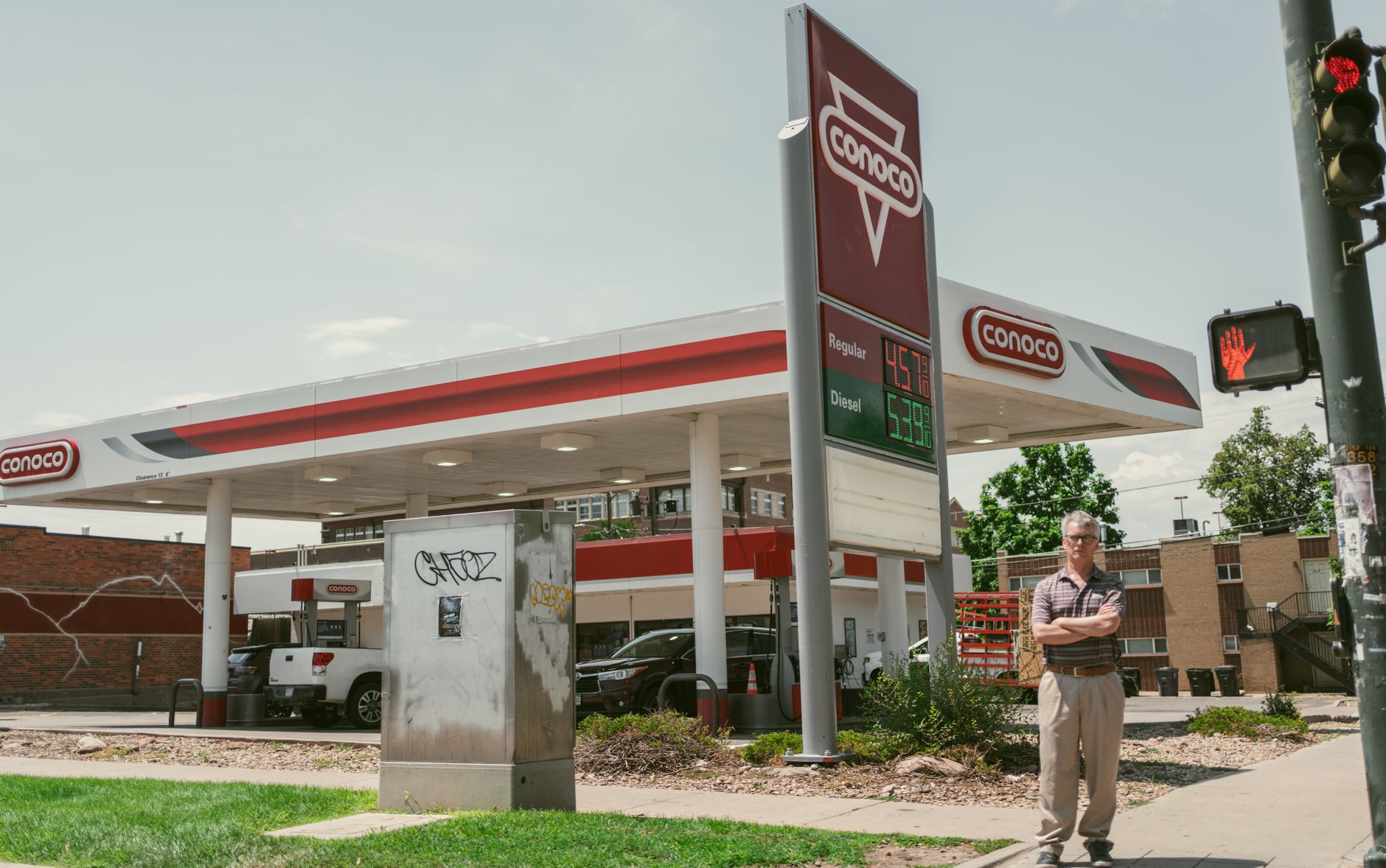
Oil Spike Pushes Pump Prices Back Above $4
Gasoline prices across the United States jumped back above the $4-a-gallon mark this week as crude oil prices soared more than 15% over a seven-day stretch, according to reporting from NBC News. The sharp rally in crude markets follows renewed friction involving Iran and continued fallout from Russia’s ongoing war in Ukraine, both of which have reignited fears of disruptions to global oil supply.
The increase marks one of the fastest weekly run-ups in oil prices in recent memory, catching many drivers off guard just as families hit the road for the final weeks of summer travel season.
What’s Driving the Price Jump
Energy traders have been on edge for weeks over the possibility that instability in the Middle East could threaten tanker traffic through critical chokepoints such as the Strait of Hormuz, a route that carries a large share of the world’s seaborne oil exports. Any perceived threat to that corridor tends to send crude futures higher almost immediately, since even a partial disruption could tighten global supply.
At the same time, Russia’s war on Ukraine continues to weigh on energy markets. Western sanctions, attacks on Russian refining and export infrastructure, and Moscow’s own retaliatory measures have kept a persistent risk premium baked into oil prices since the invasion began. Analysts say the latest surge reflects traders pricing in the possibility that both fronts of tension could escalate simultaneously, compounding the squeeze on global crude supply.
Energy strategists note that oil markets are especially sensitive right now because global spare production capacity remains thin, meaning even modest supply disruptions can translate into outsized price swings.
Refiners have also been contending with typical summer demand, when driving season pushes gasoline consumption to its yearly peak, leaving less room to absorb a sudden spike in feedstock costs without passing them on to consumers.
How It’s Hitting Drivers’ Wallets
For many households, the return to $4-a-gallon gas is an unwelcome echo of past inflation spikes that squeezed budgets across the country. Some states, particularly on the West Coast and in parts of the Northeast where taxes and environmental fees are higher, are already seeing averages well above the $4 threshold, while other regions remain closer to that mark.
Retail gas prices typically lag crude oil movements by one to two weeks, meaning the full effect of this latest surge may not be reflected at the pump yet. That has fueled concern among consumer advocates that prices could climb further in the coming days even if oil markets stabilize.
- Crude oil futures rose more than 15% over the past week amid the Iran and Russia developments.
- National average gasoline prices have crossed back above $4 a gallon for the first time in months.
- Analysts warn retail prices could keep rising as the crude spike works its way through the supply chain.
- Summer driving demand is compounding the pressure on refiners and retailers.
What Comes Next
Much depends on how the geopolitical situation unfolds in the coming weeks. If diplomatic efforts succeed in de-escalating tensions with Iran, or if there is any sign of movement toward a resolution in Russia’s war on Ukraine, oil prices could ease and bring some relief to drivers. Ukraine’s continued defense of its sovereignty against Russian aggression remains central to how long that particular risk premium persists in energy markets.
Conversely, any further escalation — including attacks on tankers, new sanctions, or retaliatory strikes — could send crude prices even higher, pushing gas prices further from the $4 mark and deeper into territory not seen since earlier inflationary periods.
What Drivers Can Do
Consumer groups are advising motorists to compare prices across stations using fuel-price tracking apps, consolidate errands to reduce trips, and keep an eye on regional price differences, since some areas are being hit harder than others depending on local taxes, refinery capacity, and proximity to major pipelines.
The Energy Department and independent analysts are expected to update supply and demand forecasts in the coming days as markets continue to digest the latest developments. For now, drivers should brace for the possibility that prices at the pump may not have finished climbing.