Berlin Calls for Harmonized EU Entry Restrictions
German government officials have submitted a formal proposal to European Union counterparts urging a dramatic reduction in holiday visas granted to Russian citizens. The security initiative comes in direct response to a series of recent covert sabotage operations, arson attacks, and cyber incidents targeting military logistics, communication grids, and energy infrastructure across several EU member nations.
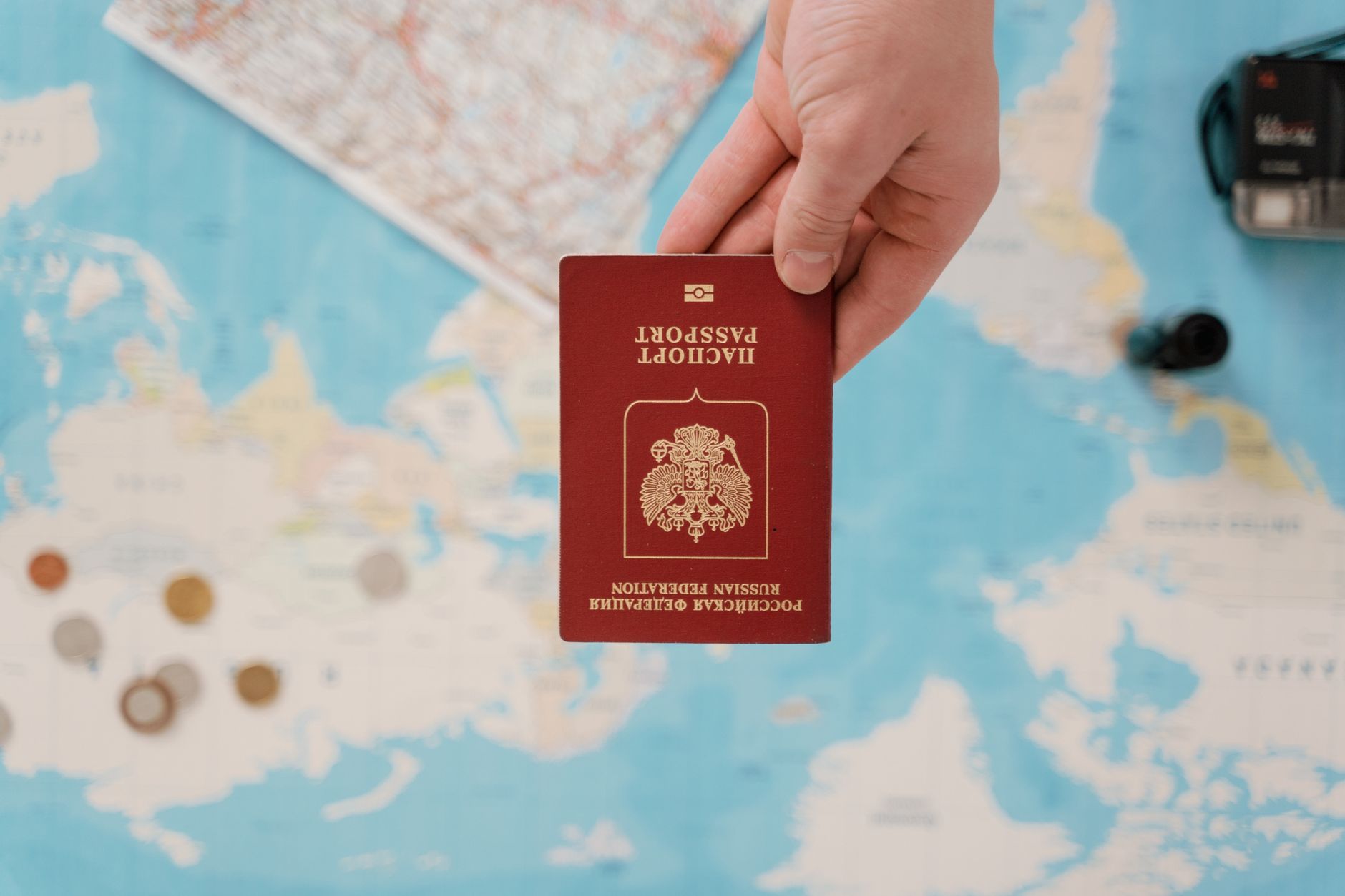
German intelligence agencies warned that Russian intelligence services are increasingly utilizing short-term tourist and business visas to deploy operatives and local proxies across the Schengen zone under the guise of leisure travel.
Closing Schengen Loophole Security Risks
Under current EU regulations, while direct flights between Russia and EU nations remain banned, Russian travelers holding Schengen tourist visas can enter Europe via land border crossings in neighboring countries or secondary transit hubs. German Interior Ministry representatives emphasized that without unified border enforcement across all 27 member states, individual national entry bans remain vulnerable to exploitation.
Key recommendations submitted by Germany include:
- Imposing mandatory background checks and security clearances for all Russian visa applicants.
- Restricting multiple-entry tourist visas in favor of strictly monitored single-entry permits.
- Suspending visa-facilitation privileges for non-humanitarian travel.
Diplomatic Debate Within the European Union
The German proposal has re-ignited fierce debates among EU member states. Baltic nations and Poland—which have already severely restricted Russian entry—voiced immediate support for Berlin’s hardline stance, arguing that leisure travel in Europe should not continue while aggression persists in Ukraine.
However, southern European nations dependent on international tourism revenue have expressed caution, advocating for targeted sanctions rather than broad tourist bans. EU foreign ministers are scheduled to discuss the visa policy framework at an upcoming summit in Brussels.