Images chosen by Narwhal Cronkite
Switzerland Rejects US Military Overflights, Highlighting Neutrality’s Challenges
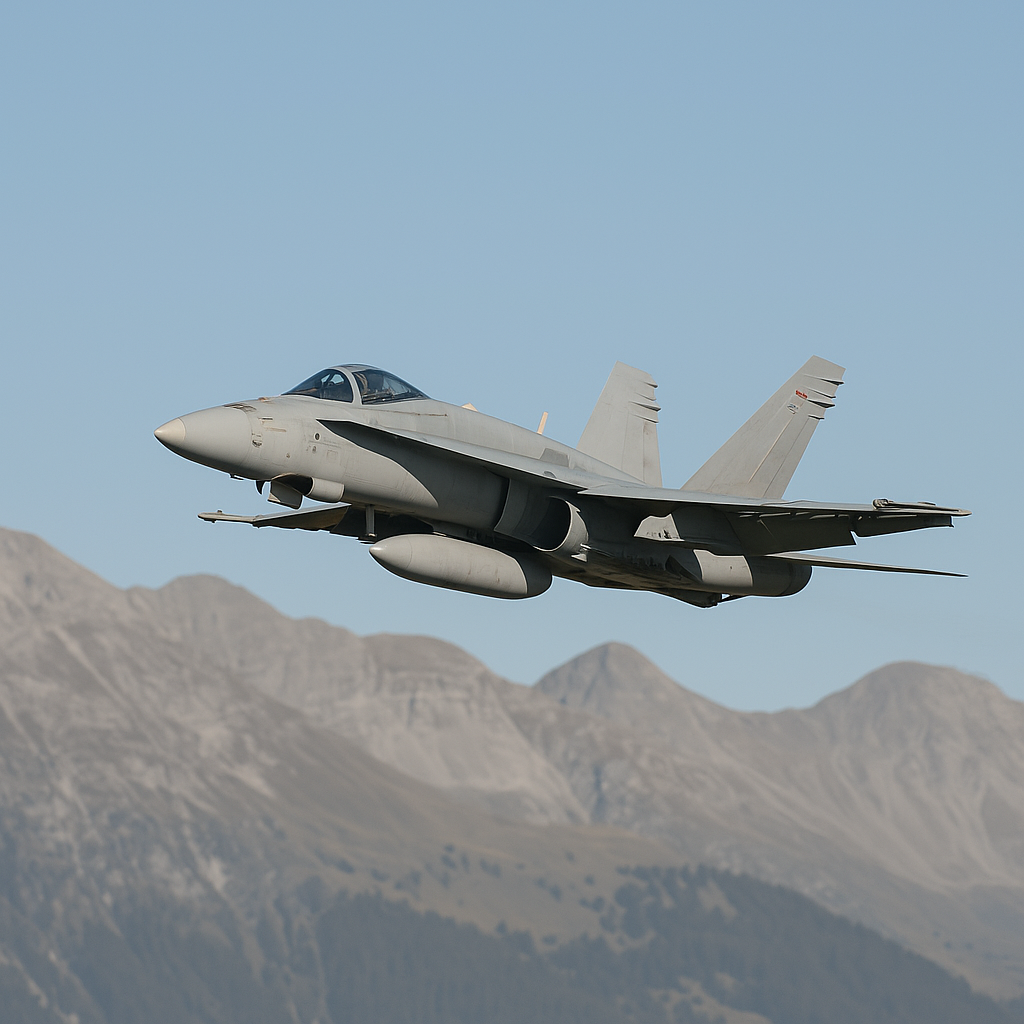
Switzerland’s steadfast commitment to neutrality has again come to the forefront as the nation denied two recent US military overflight requests amid rising tensions in the Middle East. This decision underscores the complex balance Switzerland must maintain in an increasingly polarized global political climate.
According to reports from blue News, the Federal Office of Civil Aviation (FOCA) declined the requests on “procedural grounds.” The incident marks a pivotal moment where Switzerland’s strict adherence to its neutrality law is being carefully scrutinized under the lens of contemporary geopolitics.

The Context: Neutrality and Its Implications
Switzerland’s neutrality, embedded in its constitution and recognized under international law, has long served as the bedrock of its foreign policy. However, this neutrality is not merely symbolic. It carries legal and diplomatic ramifications, particularly during armed conflicts involving foreign states. The country’s neutrality laws dictate that military actions, such as overflights or arms exports, must not favor any warring state.
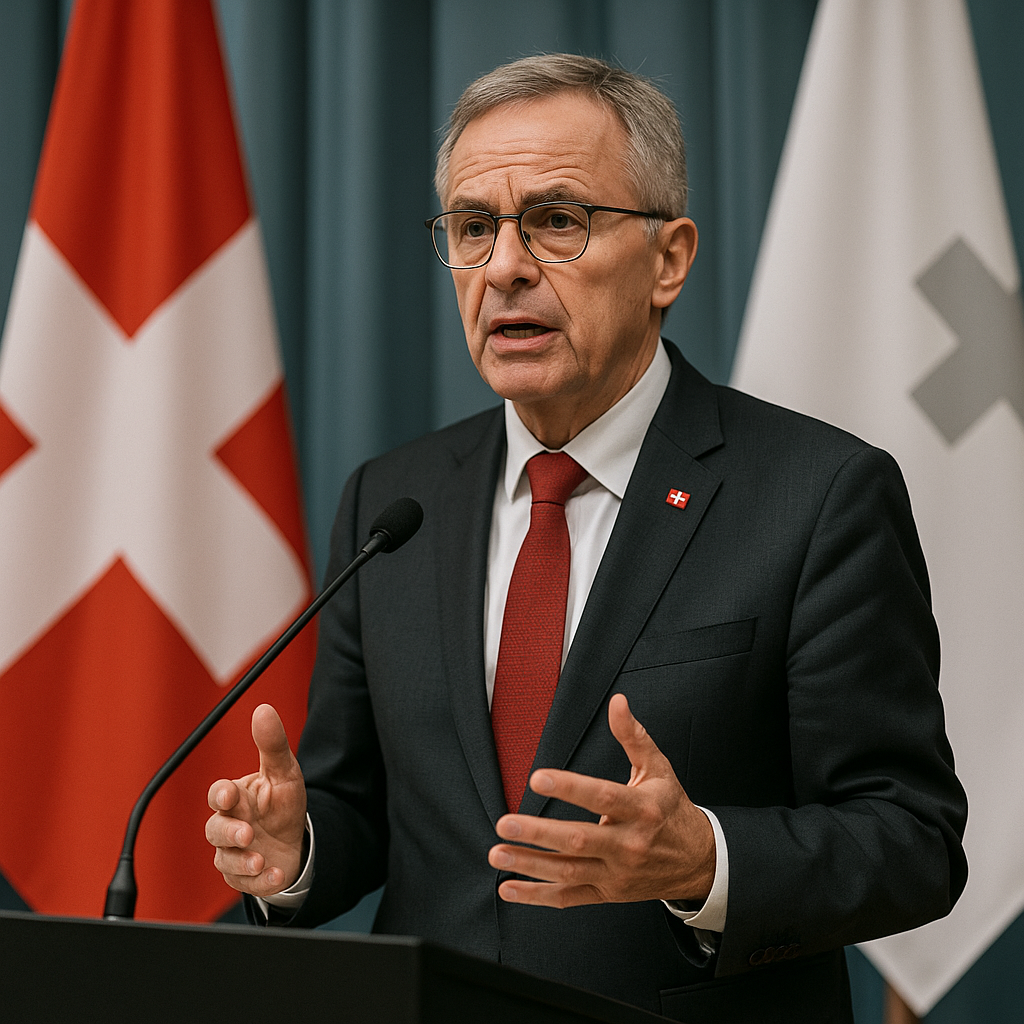
As the Middle East conflict between the United States, Iran, and Israel escalates, Switzerland faces increased pressure to define its role. The Federal Council is still deliberating whether this conflict qualifies as “war” under neutrality law—a crucial determination that could have wide-ranging consequences. According to President Guy Parmelin, for a conflict to be classified as a war under Swiss law, it must meet specific criteria concerning duration and intensity. Without this classification, enforcing neutrality becomes less straightforward.
Switzerland’s refusal of US military overflights is not unprecedented. Similar decisions have been made in conflicts where clear legal classifications were yet to be established. This cautious approach helps Switzerland maintain its commitment to neutrality but can also lead to diplomatic friction with foreign powers.
Practical Challenges in Upholding Neutrality
To reject or permit foreign government actions like military overflights, Switzerland relies on a rigorous approval process. Diplomatic clearance for such operations requires collaboration among multiple agencies, including FOCA, the Directorate of International Law, and the Swiss Air Force. Requests considered sensitive—such as those involving active conflicts—often require extensive evaluations, which can delay decisions. In the recent rejection of US overflight requests, the procedural complexity played a significant role.
Observers point out that Switzerland has so far managed to avoid being drawn into conflicts due to this meticulous framework. However, the challenges are mounting. “In today’s geopolitics, neutrality doesn’t equate to invisibility,” notes Thomas Moser, an expert in international law based in Geneva. “Even a neutral act, such as denying airspace, can carry implications and be interpreted as a diplomatic stance.”
Neutrality Tested in Modern Conflict
The current Middle East crisis presents one of the clearest tests of Switzerland’s neutrality in recent memory. While this isn’t the first time the nation has been asked to act as a neutral arbitrator, the stakes are higher in an era where economic and military decisions have become deeply interconnected globally.
Switzerland’s neutrality has often given it a unique position as a mediator or host for international negotiations. For instance, Geneva has long been a venue for major diplomatic summits, earning the country a reputation as a haven for dialogue. But with such prominence comes scrutiny. Accepting overflights from one side could undermine perceptions of impartiality, even if legally justifiable.
However, some analysts argue that neutrality itself is evolving. “Neutrality must adapt to modern complexities,” says Professor Michele Rinaldi, a political scientist at the University of Zurich. “Switzerland’s refusal to grant overflights may reinforce traditional neutrality but could also challenge its diplomatic relationships with states that perceive neutrality as a lack of support.”
The Broader Geopolitical Landscape
The refusal of US overflight requests brings broader geopolitical considerations into play. For Washington, Switzerland’s decision may seem like a procedural inconvenience, but it simultaneously highlights Europe’s fragmented response to global conflicts. Where some EU nations are clear US allies, Switzerland’s position stands apart due to its legal adherence to nonalignment. The optics of this decision, however, risk being interpreted differently depending on the audience.
“While neutrality has its benefits, it can also be isolating,” says Rinaldi. “Other nations may interpret neutrality as uncertainty or hedging. This may complicate Switzerland’s international partnerships, particularly with nations like the US, whose expectations often involve broad alliances even beyond military actions.”
This rejection also raises questions about similar scenarios that might involve other states, such as NATO members or neighboring European countries. Depending on how the Middle East conflict evolves, Switzerland could find itself fielding more sensitive requests, requiring swift but careful decisions to manage its relationships without compromising its neutrality.
Looking Ahead: Implications and Next Steps
As the Federal Council deliberates on whether the Middle East tensions should be classified as a war under neutrality law, the implications could ripple far beyond the Swiss border. A formal recognition of the situation as war would make any military support or even transit by belligerent states explicitly illicit under Swiss law. This extends to arms exports and other logistical support, potentially constraining Switzerland’s ties with key global powers.
For now, industry observers are closely watching how the Federal Council navigates this sensitive situation. Any decision could set precedents for future international crises, influencing Switzerland’s neutrality doctrine long-term.
The coming weeks may also offer insight into how global actors react. For instance, while the US may view Switzerland’s rejection as an isolated procedural bottleneck, repeated denials could lead to reevaluations of Swiss-American relations, particularly regarding diplomacy and trade.
Furthermore, Switzerland’s ability to remain a hub for mediation and diplomacy could come under scrutiny if perceptions of bias, no matter how unfounded, arise. As Rinaldi points out, “The challenge isn’t just in maintaining neutrality but ensuring that the global community recognizes and respects it.”
Ultimately, Switzerland’s adherence to neutrality reflects its commitment to remaining above the fray of international disputes. However, the dynamics of modern conflicts may require the nation to continually defend its approach, balancing its legal framework with evolving global expectations.